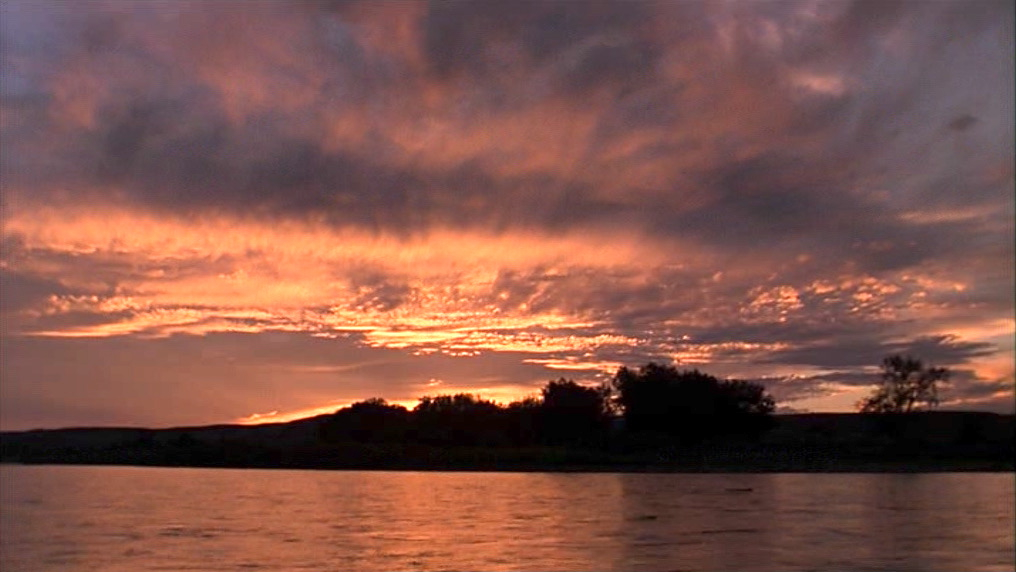
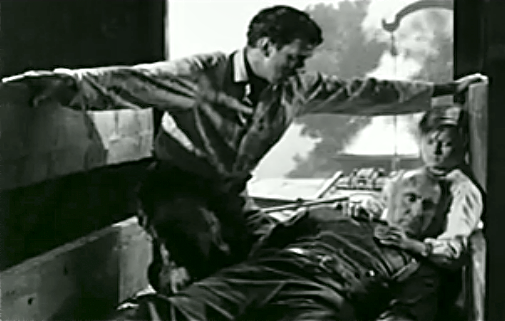
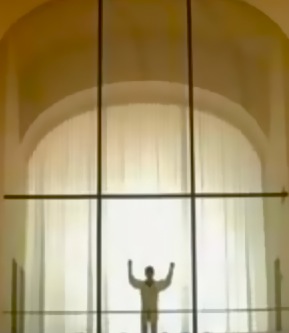
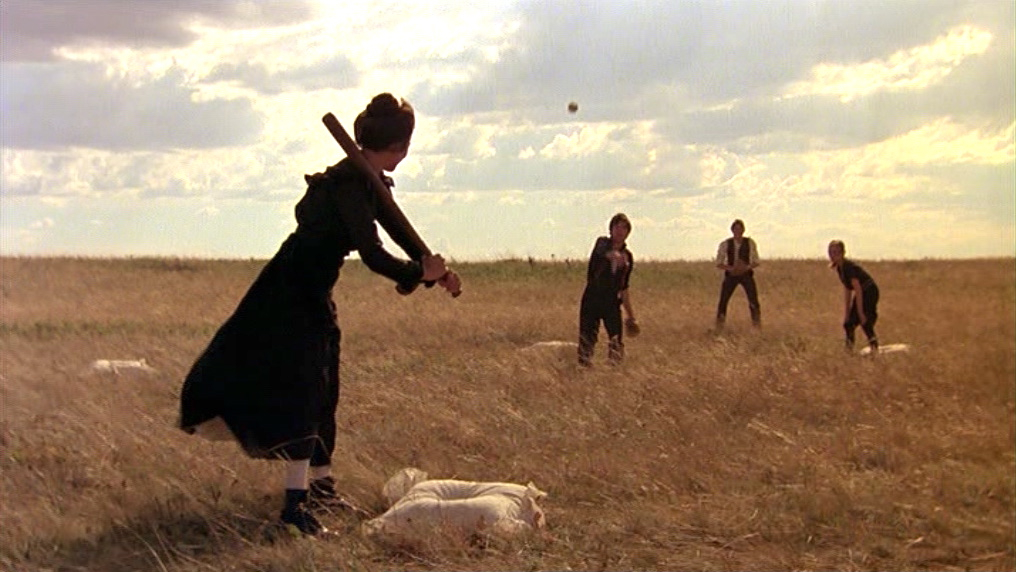
Days of Heaven (1978) by Terrence Malick

It all began when I watched the “The Tree of Life” trailer in the theatre. I was mesmerized. A few seconds into the trailer I decided it would be a must-see for me. Then later it won the Palme d’Or at the Cannes Film Festival on May 22. I’m now catching up on Terrence Malick’s previous works before “The Tree of Life” screens here in our city in a few weeks time.

The reclusive auteur Terrence Malick has only made five feature films in his directing career which spans four decades: Badlands (1973), Days of Heaven (1978, Won Oscar for Best Cinematography), The Thin Red Line (1998, seven Oscar noms), The New World (2005), and The Tree of Life (2011, Won Palme d’Or at Cannes, so far). His academic background in philosophy at Harvard and later as a Rhode Scholar at Oxford has found its expressions in his cinematic creation.
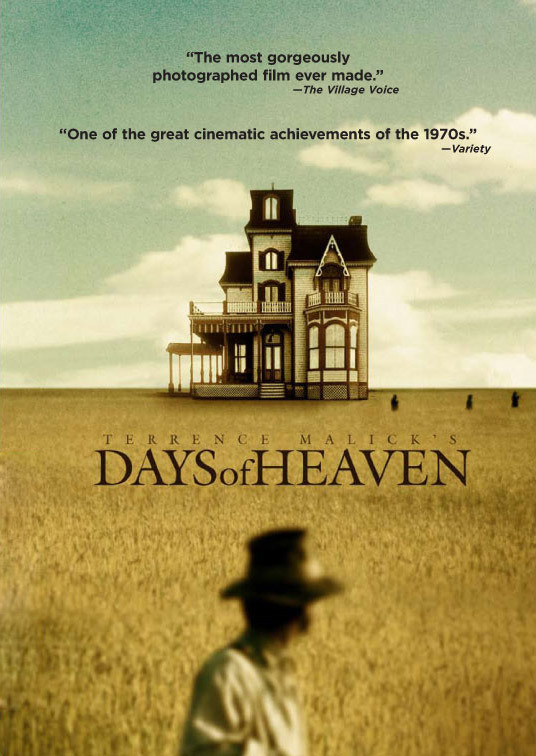
“Days of Heaven” in the Criterion Collection is a fantastic restoration and transfer. I watched it on the DVD. I suppose the Blu-ray would be even more spectacular. Some call “Days of Heaven” one of the most beautiful films ever made. Well, I haven’t seen all movies ever made to say that, nevertheless, of all that I have seen, such a statement is certainly not an exaggeration. Using mostly natural light, every shot is cinematic poetry. Enthralling scene sequences joined together to produce a piece of artwork that speaks the quiet, and sometimes silent, language of visual eloquence.

Written and directed by Malick, the film is nostalgically set in the 1910’s. The story is about Bill (Richard Gere), a hot-tempered steel mill worker in Chicago, who has to flee after an altercation leaving a man dead. He and his lover Abby (Brook Adams), and his younger sister Linda (Linda Manz) run away together and end up working in the harvest on a Texas farm. Pretending to be Bill’s sister, Abby is soon courted by the farmer (Sam Shepard). Overhearing that the farmer has only a year to live due to an illness, Bill persuaded Abby to marry the farmer so they can inherit his properties after his death. Every choice has its consequence. The plot unfolds in intriguing ways. Biblical parallels are deftly embedded in the scenes, Abraham and Sarah, the plague of locusts, Linda’s voice over allusion to the apocalypse… not just offering stunning images but thought-provoking as well.

And I must mention, I have a connection to the movie. It was shot right here in southern Alberta, and some scenes right here in Calgary, in Heritage Park to be exact. No, I wasn’t an extra. But proud that this regarded by some as one of the most beautiful films was shot entirely on location here in this province. It is the magnificent expanse of Alberta’s wheat fields and not those in Texas that we see in the film. The reason: from the DVD commentary I learn that the wheats were four feet tall in Alberta while those in Texas were only two feet.



***

CLICK HERE to read my review of The Tree of Life (2011) by Terrence Malick.

CLICK HERE to my post “A Sequel to Days of Heaven, Mr. Malick?”

Photo Source: Screenmusings.org. Use as per outlined in Fair Use, for review and educational purposes only.
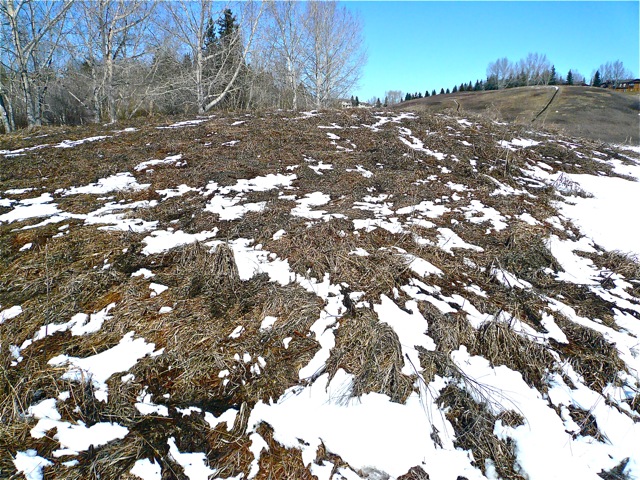
Of Words and Spring

April is the month of empty dreams
Half the days gone
waiting for words and spring
still frozen ground
and on the screen
a frigid page as white as snow.

Brown could be the color of hope
After the white
for all I know
green is too much to wish for
I’m contented to see a patch
of dry and withered brown.

The sun is a perpetual sign
that there’s still hope
But it’s no herald of the seasons
for its presence comforts all year long
warming my blank and barren state
as I await for words and spring.

But Easter is an apt reminder
that The Word had come
spoken clear to half-frozen ears
His body hung on a lifeless tree
Blood and water flowed
onto parched and dusty earth

So what if no words come to me
That dreaded writer’s block
reigning the winter of sterility
numbing senses,
snatching thoughts,
seizing any sign of spring.

It’s not about a post or a blog,
Or even buds and melting snow.
The Word had come
lived and loved among us,
broken, bled, died and rose,
melting frozen hearts to greet
a new Spring and eternal growth.

Poem and Photos by Arti of Ripple Effects, April 2011. All Rights Reserved.


While we wait…

While we wait, the world spins. Tweets flood my screen by the second, as the revolutionary flame spreads, earthquake strikes, bookstore chain bankrupts, oil prices rise, Joan Didion fell and broke her collarbone, John Keats died today 190 years ago, iPad 2 comes out March 2, Oscars countdown begins. My head hurts.

The more I’m connected, the more the distress. But I still avoid falling into the escapist trap claiming ‘ignorance is bliss’. I think of it as the price to pay as a citizen of the world. Will I feel better not knowing about those dying on the streets revolting against a dictator, or that hundreds are buried in the rubbles of their homes, even when they are thousands of miles from me? Is it better not knowing? The answer is obvious.

With a series of uprising that started with a Tunisian fruit vendor setting fire to himself in protest, it’s all about a voice being heard. Thousands of miles away in the 5th most liveable city of the world, I sit comfortably on my couch checking tweets and blogging away. It almost feels surreal.

But as I listened to an interview about how people braved death to go out on the streets, I began to see the significance of this receiving end. If it’s about a voice being heard, we who are on the other side of the world are doing just that… we’re hearing that voice, and witnessing the domino effects. Sure, there are more practical ways to participate in the cause of democracy, or to help the victims of earthquakes, or to support surviving booksellers… but we who are merely checking our tweets, reading articles, and watching news clips are hearing those voices. Our awareness is a form of participation, the least we can do. A beginning.

Despite joining Twitter recently, I’m still an advocate of slow blogging. Opposites juxtapose in this postmodern world. While I’m checking out news feeds and relevant articles as quickly as time allows, I am slowly digesting and mulling over their content, and listening carefully to the multiple voices speaking out.

The world spins at a speed I can’t control. But it’s in stillness that I can make some sense of it. The voices deserve my quiet attention.

The Golden Globe Speeches

While I was all eager to watch the 68th Annual Golden Globes last night, I was feeling bored from the beginning, after the first award of Best Supporting Actor was handed out. With Geoffrey Rush (The King’s speech therapist) losing the award, I will always miss the acceptance speech from him. I’m sure he had prepared something brilliant and witty to say. That would be the speech I had hoped for, but now, will never get to hear.

Most of the speeches last night were banal and uninspiring, exceptions were few. Even Robert De Niro’s for winning the Cecil B. DeMille Lifetime Achievement Award was lacklustre.  What sounded like self-deprecating humor could well have de-mythicized the acting profession and brought it down to the level of just another job to feed the kids.

Annette Bening had a sweet ending to her acceptance speech for Best Actress, comedy or musical, for The Kids Are All Right. After thanking the cast, she acknowledged “the 1962 winner of the Golden Globes for Most Promising Actor, my husband Warren Beatty.” They looked wonderful together, after all these years.

Canadian viewers must be delighted to hear Paul Giamatti, Best Actor, comedy or musical for Barney’s Version, as he acknowledged Canadian author Mordecai Richler and his family, and the film’s shooting location “up in an incredible, beautiful city, Montreal, which I dream about, an incredible place in a great nation, Canada. I salute the great nation of Canada.”

The audience stood and cheered as Michael Douglas came on stage at the end, making his first public appearance in Hollywood after receiving treatments for throat cancer: “That’s got to be an easier way to get a standing ovation,”  he quipped.  He presented the Best Movie Award to The Social Network, which won four Golden Globes last night.

.

.

The best speech of the night came from Colin Firth. Just like his role in The King’s Speech, reflecting his persona and style, his speech was an exemplar of finesse and character.

Here is Colin Firth’s acceptance speech for Best Actor, Drama, for The King’s Speech:

“Getting through the mid stage of your life with your dignity and judgement in tact can be somewhat precarious and sometimes all you need is a bit of gentle reassurance to keep on track. I don’t know if this qualifies as gentle reassurance, but right now this is all that stands between me and a Harley Davidson. I owe a very great debt to my supernaturally talented fellow cast members, my exquisite no-nonsense Queen, Helena and my wayward Royal older brother Guy [Pierce]. Geoffrey Rush and Tom Hooper, my two other sides of a surprisingly robust triangle of man love, somehow moved forward in perfect formation for the last year and a half or so… Tom with his scorching intelligence and Geoffrey who has now become my true friend and geisha girl. David Seidler, I know something of what you went through to create this…. at a time in my life when I truly appreciate the value of longevity in my relationships, Harvey Weinstein has made an improbably number of good films. We have had 20 years together, which is not bad going for a showbiz marriage. Thank you, Harvey. But the very best thing of all has been Livia [his wife] and all the beautiful things she’s given me and I think I can cope with just about any age as long as I can still see her.”

Who can be more deserving to win?

***

For a full list of Golden Globes nominees and winners, CLICK HERE to the official Golden Globe Site of the Hollywood Foreign Press Association.

To read my review of The King’s Speech, CLICK HERE.

Colin Firth’s Speech quoted from The Telegraph.

Photo source: The Telegraph http://www.telegraph.co.uk/culture/film/film-news/8260914/Golden-Globes-2011-Colin-Firth-wins-Best-Actor-as-The-Social-Network-takes-four-awards.html


Gifts to Myself

December 26 is Boxing Day in Canada.  Like Black Friday in the US, that’s the time to pick up bargains, and pay half the price you did just two days before.  And like Black Friday, it’s the time for legitimate self indulgence for the common good, our economy.

In recent years I’ve avoided shopping on Boxing Day. I know some people getting up at 5 am to line up for a store opening at 6.  My own experience of the Boxing Day craze had been standing 3 or 4 people deep, stretched out my arm to the sale table and grabbed whatever I could out of it, hopefully something I needed.

Out of curiosity, I gave it a try again this time around… and sure glad I ventured out.  I didn’t have to fight the crowds, and waited just a bit longer in line-ups . But well worth it.  Here are some of the gifts I got for myself at half price: wall calendars which I won’t be hanging up.

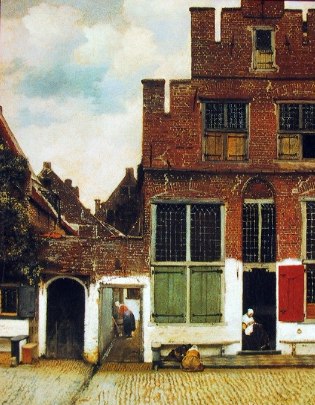
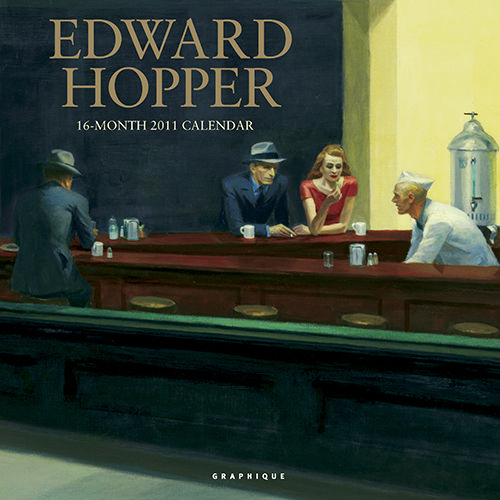
I know, prices here are not as low as in the US… we’re always paying a few dollars more in printed products. But just about $10 each, these beautiful art calendars are good buys for me. Best of all, I found all my favorite artists.  Those familiar with Ripple Effects would know.  I’ve posted on Vermeer (Dutch, 1632-75) here, Edward Hopper (US, 1882-1967) here, and images of René Magritte (Belgian, 1898-1967) here and here.  So I was really excited to be able to find big prints of their works.

VERMEER 2011


The 12 paintings are some of Vermeer’s well known works.  The cover of course is the most famous, The Girl With The Pearl Earring (1665).  If you’re interested, you might like to read my reviews of the book based on this painting and the film adaptation here.

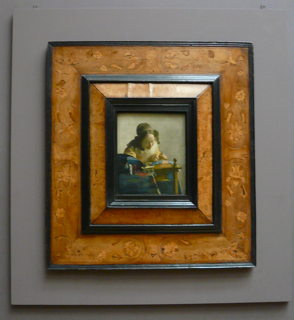
I have seen two of the paintings in the calendar, The Lacemaker (1669) and The Geographer (1668-69), both at The Louvre.  Interesting that the calendar prints are about the same size as the originals, or maybe even a tad bigger, for The Lacemaker.  Here are my photos of them hanging on the wall in the Louvre:


But the July print stands out, the only one that has an exterior view.  It’s my favorite of all the twelve months.  The Little Street (1658):


Edward Hopper 16-Month 2011 Calendar


I have 16 prints of some of my favorite Hopper paintings.  A few of them I’ve posted before, asking readers’ opinion on them. Here are a couple more that I’d like to elicit your views:

People In The Sun (1960)


Chop Suey (1929)


Magritte 2011


The cover is the Belgian artist’s work in 1953, Golconda.  Just wondering… is this the origin of the term “rain man”?  Or, are the men going up like balloons?

René Magritte was born just 16 years after Hopper, and died the same year, 1967.  So contemporaries they had been for some years, but a world of difference in terms of style.  I like the realism and existential elements hidden in Hopper’s works, but I also enjoy Magritte’s surrealist and whimsical images, openly challenging our sense of reality:

The Treachery of Images (1929)

Ceci n’est pas une pipe:  This is not a pipe.  Your take on this?


The Interpretation of Dreams (1935)


In the past years, I’ve saved up a lot of visuals just like these calendars, as teaching materials for adult ESL.  But this one definitely cannot be used for vocabulary building.  Just hang on… that may well be what Magritte is saying: ‘In a dream world, a horse can be a door, a jug a bird…’  And for that matter, how do you know you’re not dreaming right now?  Mmm… just wondering, has the movie Inception included Magritte in the credits?


***


Winter Wonderland

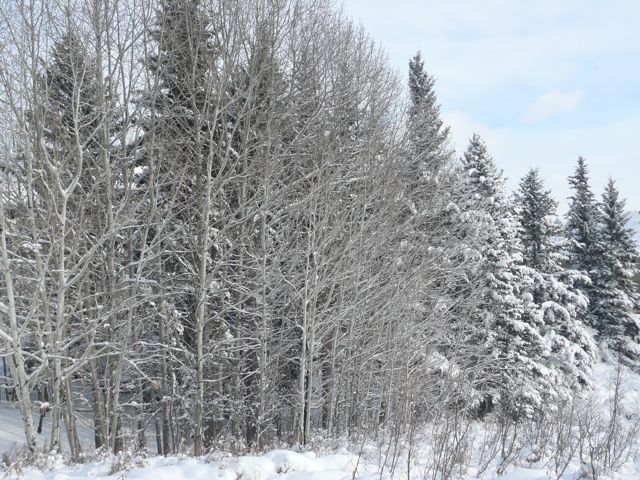
I caught this lone cross-country skier on a frozen creek in snow country.  Let this be my Christmas card to all:

May your Christmas be as serene and exhilarating as this magical moment.


***

And, thanks to a reader’s suggestion, may the following carol warm the winter chills and quiet the holiday frenzy.

‘In The Bleak Midwinter’


A Merry Christmas To All!

***

Photo taken by Arti of Ripple Effects, December 2010, All Rights Reserved.

Winter in November

Just a mere two weeks ago, I was taking an Autumn walk, where I enjoyed a feast of sight and sound.

But now, besieged by a snow storm two days ago, we have been made captives by the fierce side of nature.  We skid through icy roads and make it home only to perform our due diligence, the removal of mountains of snow on our driveway and sidewalk.

After two days, I am determined to break out of this physical and psychological confinement.  If we are to have winter in November, so be it.  Might as well embrace nature in all her facets.  Donning a toque, gloves, winter jacket and snow boots, I ventured out earlier today.  Here are some of the sights:

As I treaded through knee-deep snow, I came upon the place where I spotted my deer friend munching on his foliage just two short weeks earlier.  And even just a few days ago, I saw his clan scavenging the dry grass.  Where could they be hiding in this minus 15 C temperature?  What would they have for supper? Where and how do they sleep at night with the fierce wind blowing at even colder minus 20’s?

Just then the sun broke out through the overcast sky,  I seemed to hear my deer friend saying: Don’t worry about us.  We’ve gone through numerous winters, and still able to raise a clan.  As long as the sun comes out everyday…

Even the evergreens seemed to be waving at me, you mind your own slippery drive and cabin fever, we’ll be fine.


Yes, as long as the sun comes out everyday, we’ll soon see spring.

***

A Late Autumn Walk

What’s more pleasurable

than a late Autumn walk in the wild

Chopin as companion, ballade cinematic

Tonal colors streamed through earbuds

Sight and sound in perfect harmony


.

Stripped of adorning leaves,

the birches displayed their true essence.

Backbones strong against the wind,

Branches lifted to reach the remaining sun

Stoic elegance intertwined Romanze Larghetto


.

.

And then we met,

A surprise encounter, a momentary start,

Among the low bushes a deer, antlers majestic,

Eyes darted up from his quiet meal,

Weighing my next move.


I walked past without stopping.

It’s not polite to stare,

especially when someone’s eating.

His gaze held me a moment, then let me pass.

I sensed a mutual respect, nature shared.


And so we parted, unperturbed,

after just a split second of cautious exchange,

leaving each other feeding freely,

foliage in his mouth,

and Chopin in my ears.


***


This is what I was listening to… Chopin Piano Concerto No. 1, Second Movement, Romanze Larghetto.

Bernini’s Corpus and Modern Movies

The Art Gallery of Ontario holds more than 79,000 items in its collection, from 100 A.D. to the present. I’d just seen a tiny fraction of them during the six hours I was there. But if I’m to say which one has stirred the most ripples, it would be the bronze sculpture by Bernini, Corpus (The Crucified Christ), ca. 1655.

Successor of Michelangelo, the Italian Baroque architect and artist Gian Lorenzo Bernini had produced many famous Papal works. I’m impressed by how contemporary this 17th C. sculpture looks with its silvery-bronze color and its minimalist styling. Further, I’m amazed that it has been in private hands all the years… Like you might hear at a party, “Oh, I just happen to own a Bernini.” Having been ‘lost’ and then ‘found’, the sculpture was last in the possession of the Frum family who donated it to the AGO in 2007, estimated value at that time was $50 million.

Murray Frum, real estate developer and philanthropist, had earlier donated an entire African art collection to the AGO. To the general public, probably the most well-known member of his family is his late wife who died of cancer in 1992, the prominent CBC news journalist Barbara Frum.

Unlike the other art works of the crucifix that I’ve seen, the Bernini Corpus has no cross. Its 5 foot 6 inches life-size body hung in midair, supported only at the base.  There it is, right in the middle of the darkened gallery room displayed at eye-level, the suffering Christ suspended in silence. You can get near to the outstretched arms, you can see the loincloth blown to the side, and every minute detail on the body.

Without the backing of the cross, the image gives a weightier impression. You can go right up to the work, except of course you can’t touch it or take a picture, even though both were what I actually wanted to do… But at least, I could look and wonder in nearness.

The cruciform pose of Christ being hung on an invisible cross turns the literal event into a symbolic timelessness. The mere posture of two outstretched arms has long been associated with the essence of the cross: suffering, sacrifice, redemptive salvation. Such a visual icon has been used in many movies effectively. Whether you agree with the director’s message or parallel is another matter. Nonetheless, the archetypal cruciform pose is a powerful image when aptly embedded in a visual context.

Here are a few movies that I can think of where the cruciform pose vividly depicts a memorable moment. (Warning: The following section carries Spoilers.)

How Green Was My Valley (1941): John Ford’s visually contemplative work. When the shaft comes up from the underground mine carrying survivors of the explosion, you can see the rescuer Mr. Gruffydd in the cruciform pose. What’s more, you can even see the Pieta image:

Through a Glass Darkly (1961): Ingmar Bergman’s classic. The estranged father David stretching his arms out in front of the window, sobbing and seeking redemption through family relationship: Cool Hand Luke (1967): After eating 50 eggs, it’s enough suffering for Luke (Paul Newman), a determined radical fighting a callous system in a hopeless prison. His graceful form is a clear contrast to the stark surroundings: The Graduate (1967): Ben (Dustin Hoffman) cries from above: “Elaine! Elaine! Elaine! …” Which yearning heart would not respond to such a passionate cry and be delivered in the nick of time out of a loveless union: Dances With Wolves (1990): Only when you’re not afraid to die, then can you live.  Lieutenant Dunbar (Kevin Costner) embraces death only to be ushered into a new life and adventure:

Shawshank Redemption (1994): Andy Dufresne (Tim Robbins) literally digs out a new path to salvation. This is the iconic scene of freedom and cleansing after climbing out from the sewage line: Superman Returns (2006): Superman (Brandon Routh) returning from Krypton to save the world. His famous line to Lois: “You wrote that the world doesn’t need a savior, but everyday I hear someone crying for one.” Gran Torino (2008): Walt Kowalski (Clint Eastwood) laying down his life to save his young friends from a neighborhood gang, in search of self-redemption: … I’m sure you can think of more.

***

Related Posts you might enjoy:

Alex Colville and the Movies

The Art Gallery of Ontario

***

Pussywillows, Cattails, Soft Winds and Roses

Took a short trip to Ontario last week and came home overwhelmed with nostalgia.  It all started when I visited the town of Unionville and saw these, crowds and crowds of cattails growing profusely in the pond, the fields, by the footbridge:

.

For some inexplicable reasons, I’m much fond of cattails. The first time I learned about them was from listening to the song by Gordon Lightfoot… before I’d actually seen one.

Some time in the 70’s, for many afternoons I sat in the art room of a high school somewhere in Alberta, working on some art project, but mostly doing nothing at all while listening to Gordon Lightfoot.  Mr. Hannington held a laissez faire art class… we could do just about anything, or nothing.  Usually, there would only be three or four of us in the room.  We would just sit around, chat, daydream, and immerse in the voice of Gordon Lightfoot on the radio.

I didn’t turn out to be an artist, while one of us did.  But I’ve remained partial to cattails, mesmerized by the song and the singer.  Those Lightfoot afternoons in the art room emerged from the depth of hazy memories, the lyrics were the soft winds caressing naked limbs as I walked in this natural reserve in Unionville.

Pussywillows, cat-tails, soft winds and roses
Rainpools in the woodland, water to my knees
Shivering, quivering, the warm breath of spring
Pussywillows, cat-tails, soft winds and roses

Catbirds and cornfields, daydreams together
Riding on the roadside the dust gets in your eyes
Reveling, disheveling the summer nights can bring
Pussywillows, cat-tails, soft winds and roses

Slanted rays and colored days, stark blue horizons
Naked limbs and wheatbins, hazy afternoons
Voicing, rejoicing the wine cups do bring
Pussywillows, cat-tails, soft winds and roses

Harsh nights and candlelights, woodfires a blazin’
Soft lips and fingertips resting in my soul
Treasuring, remembering, the promise of spring
Pussywillows, cat-tails, soft winds and roses

(To my artist friend CD: Keep the fire burning.)

***

Art Gallery of Ontario

There are several interesting facts about the AGO.  That it is situated in Toronto’s Chinatown is an example of the vibrant cultural mix an urban centre can sustain.  And in multicultural Canada, that sits well indeed.  These are the buildings right across from the front entrance of the AGO on Dundas Street:

On the upper floor of the building to the left, the four characters indicate it’s the “United Chinese Drama Society”.  The main floor is a French Café.  The building to the right is home to a Chinese clan association.  And the barber shop below… oh, what does it matter.

And across the street, spanning one full block from Beverley to McCaul, adjacent the Ontario College of Art and Design is the Art Gallery of Ontario:

.

The AGO originally began as The Art Museum of Toronto in 1900.  Its first home was The Grange, a Georgian Mansion built in 1817.  The last hundred years saw several stages of expansion. In 2008, the Gallery received a major facelift.  The prominent architect Frank Gehry brought the AGO into a new phase, and to finally contribute to the Canadian architectural landscape with his first design in Canada.  And what an approparite choice.  According to the AGO guide who led our tour, Gehry was born right here on this street some blocks away.  He holds fond childhood memories of the area, particularly the AGO.
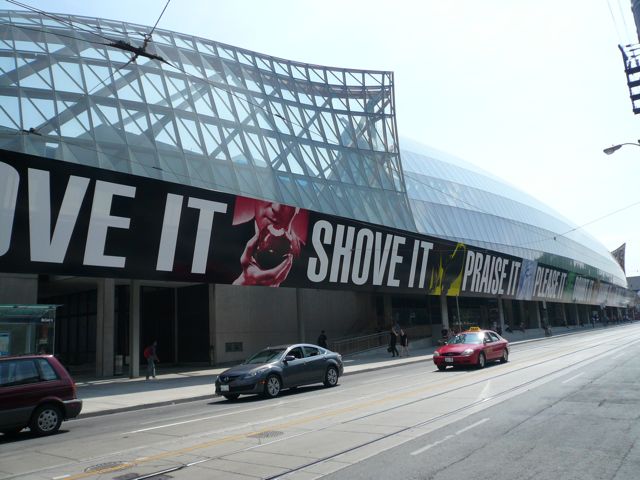
At the back, one can see the very postmodern juxtaposition of the old Georgian Mansion The Grange with the new Gehry-designed AGO:

.

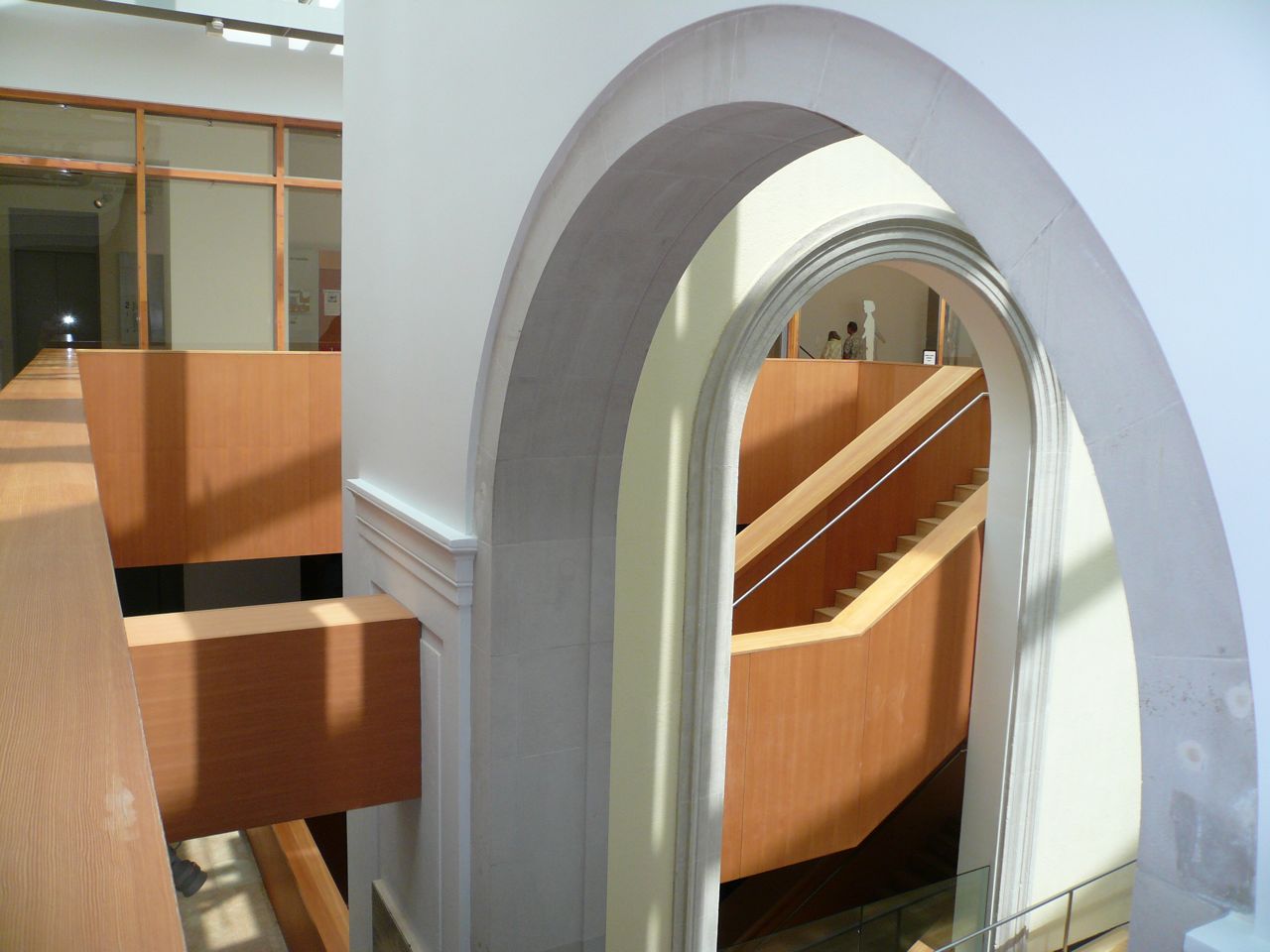
But the outside does not prepare one for what is installed within.  I was amazed many times over as I explored the gallery spaces. Photography was not allowed in the exhibits areas.  So I’ve only captured the general interiors, and they are breathtaking, elegant and exquisite:

.

I love the contemporary light wood contours placed against the classical styling.  The overall color scheme is soothing and relaxing, without the austerity of some art galleries and museums.   Natural light is plentiful as it is let in through the glass ceiling.  Light and shadows play out in an interesting way:

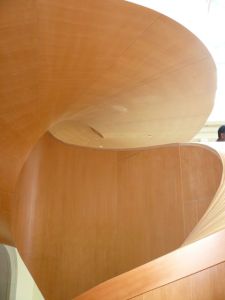
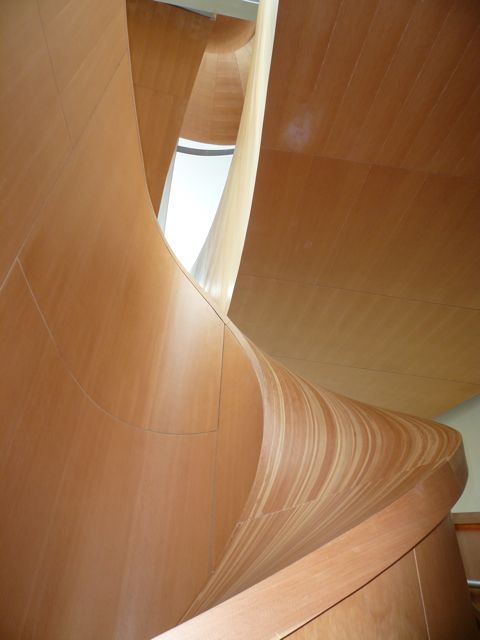
The central spiral stairwell is the main attraction.  It is made of B.C. douglas fir, light, fluid, swirls gracefully down from the top.  As I made my way down, every step I took offered me a new perspective.  An inspiration in itself:

.

.

.

.

. . 

.

.

.

And finally we were shown this magnificent design, right against the glass inside the front of the building:

.

.

Unlike Gehry’s other more showy works of bending metals, the AGO is decidedly unpretentious, curving wood against arches, blending nature with art, art with architecture, and architecture with an urban neighborhood.

.

TEXT AND PHOTOS by Arti of Ripple Effects, July 2010.  ALL RIGHTS RESERVED.

***

.

.

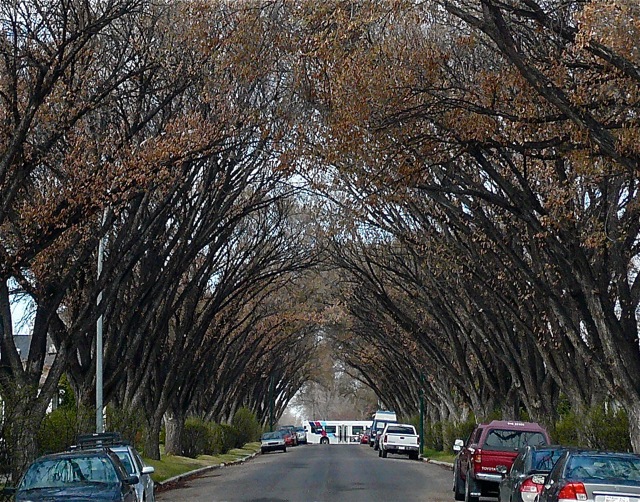
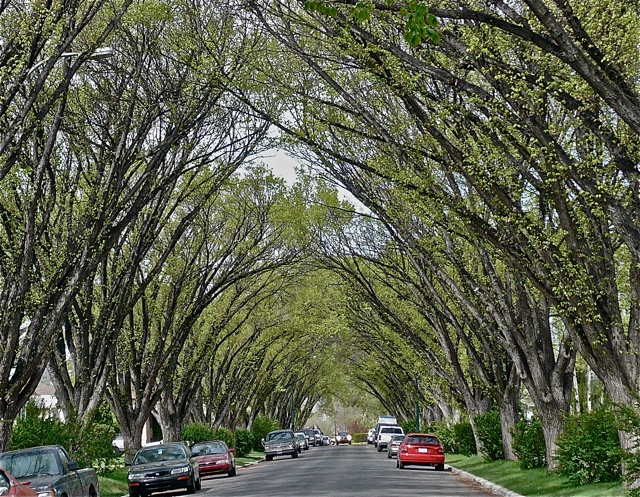
Greening of a Calgary Street

April 23

.

May 23

.

June 23

.

Waiting

He could have said
Let there be life
As in the beginning
But He made me wait.
For three months
I went back to the same spot
and watched
slowly
green bursting out from bare branches
fighting storms and snow
into full bloom.

.

I had waited before
Nine years, nine months
He could have said
Let there be…
But He had made me wait
and watch
slowly
like time-lapse photography
the gestation of a miracle.
He could have just said,
But He made me wait
and watch.

***

Pictures and poem by Arti of Ripple Effects, June 2010.  ALL RIGHTS RESERVED.