** You’re most welcome to browse and throw in your two pebbles, make some ripples or make a splash. But PLEASE DO NOT REBLOG OR COPY **
**
What happened to the birds during the flood, I can’t say. But after the most serious flooding had passed, these were some of the sights.
Downtown view one day after the heaviest rain:
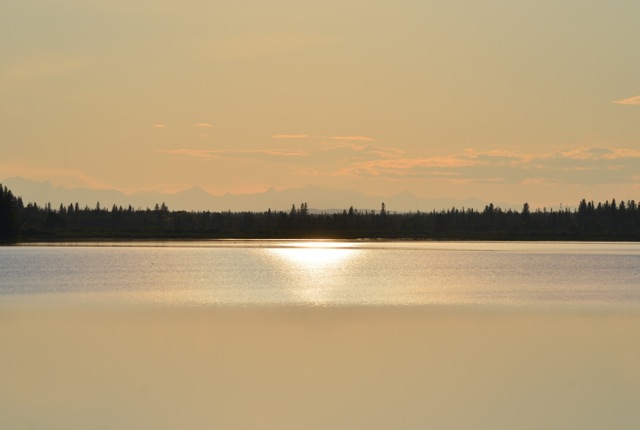
The Glenmore Reservoir, two days after. Yes, that’s where our drinking water comes from. The heavy silts in the water made a peculiar sunset scene. You can see the muddy water in the foreground:
Due to flooding, the Weaselhead Natural Area was closed for some time. Two weeks after, I went to survey the aftermath:
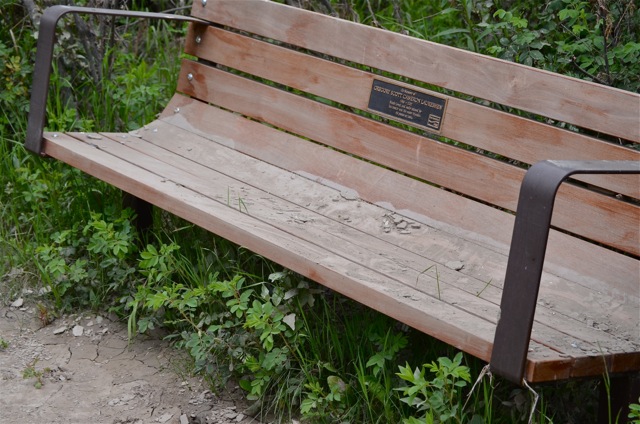
From the mud on this bench, you can see how high the water came up to:
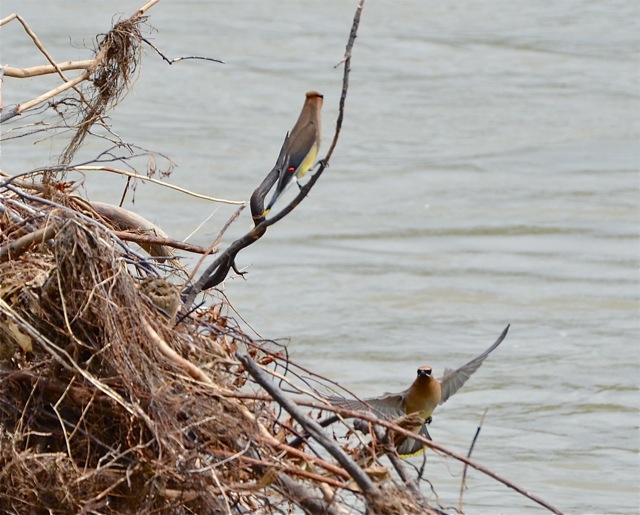
Among the rubbles of dead trees and debris, what I found amazed me. Do you see what I see? Look, right in the middle:
Not just one or two, but half a dozen Cedar Waxwings frolicking among the ruins:
Absolute serenity:
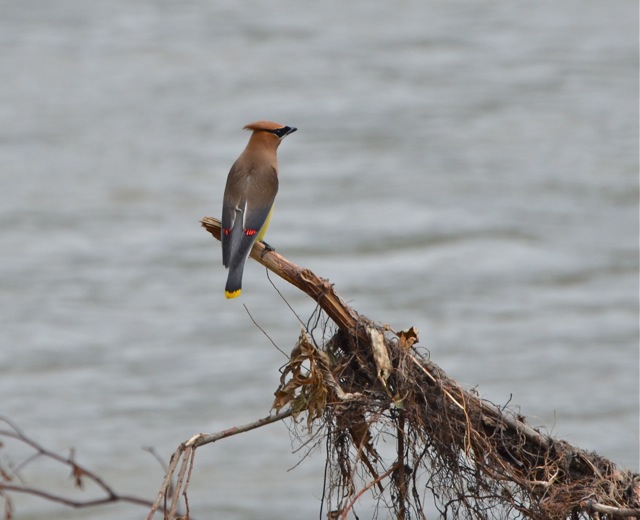
A closer look at the beautiful silky plumage:
Not just the Waxwings, hoards of Cliff Swallows joined in the natural chorus. But they were too fast for me to capture on camera. I could manage just a few shots. In most of the photos they came out too small and blurry:
Lots of Wild Roses among muddy leaves. See the bud?
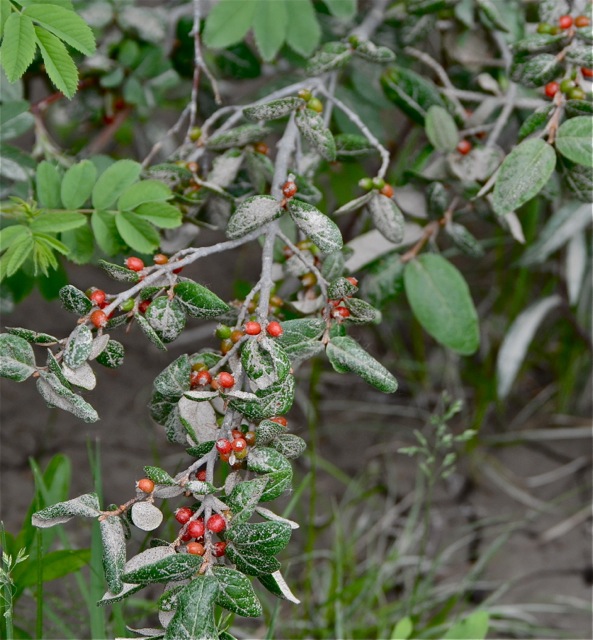
Berries too, red defying brown:
And this little guy came out to greet me on the flood-swept path now dried:
As I was leaving the area, a Small Blue butterfly ensured me…
Life goes on.
***
Saturday Snapshot is hosted by Melinda of West Metro Mommy Reads. CLICK HERE to see what others have posted.
Spent a few days in the Metro Vancouver area last week. Didn’t see a lot of variety of shorebirds, but just catching sight of some Great Blue Herons was gratifying enough.
About half a dozen of them, far from where I was standing. They were peaceful and enjoying themselves until a Bald Eagle headed towards them, in a not-too-friendly manner. What was he thinking? He was alone and there were half a dozen Herons. An altercation soon followed, I could only hear the battle cries from afar but couldn’t snap the photos quick enough. But I can tell you, the Bald Eagle had to fly away subdued.
Here’s the approach. Whatever happened next you’re free to imagine:
Another time I got the chance to see a solitary Great Blue Heron up close and personal. It was a mesmerizing moment:
Takes flight:
… landing:
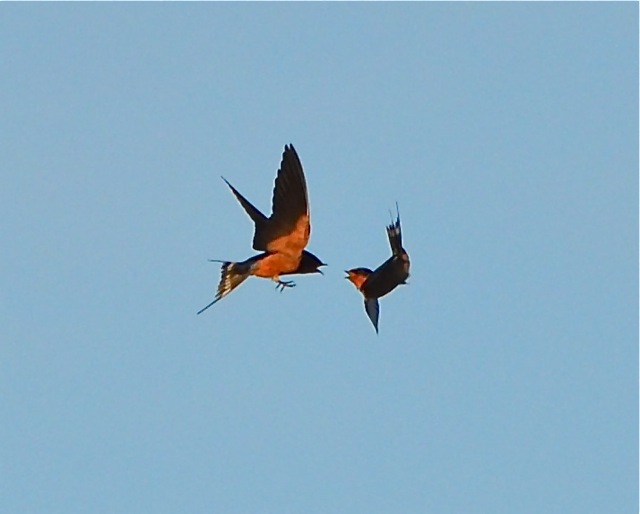
Another day at dusk, above a pond were Swallows mingling in the evening sky. They were flying so swiftly that I could hardly capture them on camera. But after I uploaded the photos, this is what I saw… looks like another mid-air altercation. But since they are of the same species, shall I say this time, a little domestic dispute? Or perhaps just friendly frolicking…
Here’s a more serene Canada Geese family outing, a quiet evening swim before bed:
It got up to 27C (80F) today, almost a record high. Looks like we’ve skipped spring and bounced right to summer.
In a previous post, I mentioned I missed snow for some reasons. Seeing the remnants of winter fade away gave me a sense of loss. Many of you responded with disbelief. Why would I miss snow? I couldn’t say why either. But just two days ago, I went birding at our local lake (reservoir) and saw these sights. Again, my sentiment was confirmed.
Ice melting in the water. Birds congregated. Open nature welcoming a change in the season, or, was it lingering a bit more in the passing moment? Part of this photo has now become my new Header picture on Ripple Effects:
Seems like these Mallards wanted to hang out a bit longer among the shimmering ice. When the ice all disappear, the water will lose a bit of glitz and glamour:
The distant Rocky Mountains are evidence of the glory of snow… a beauty that is appreciated more from afar.
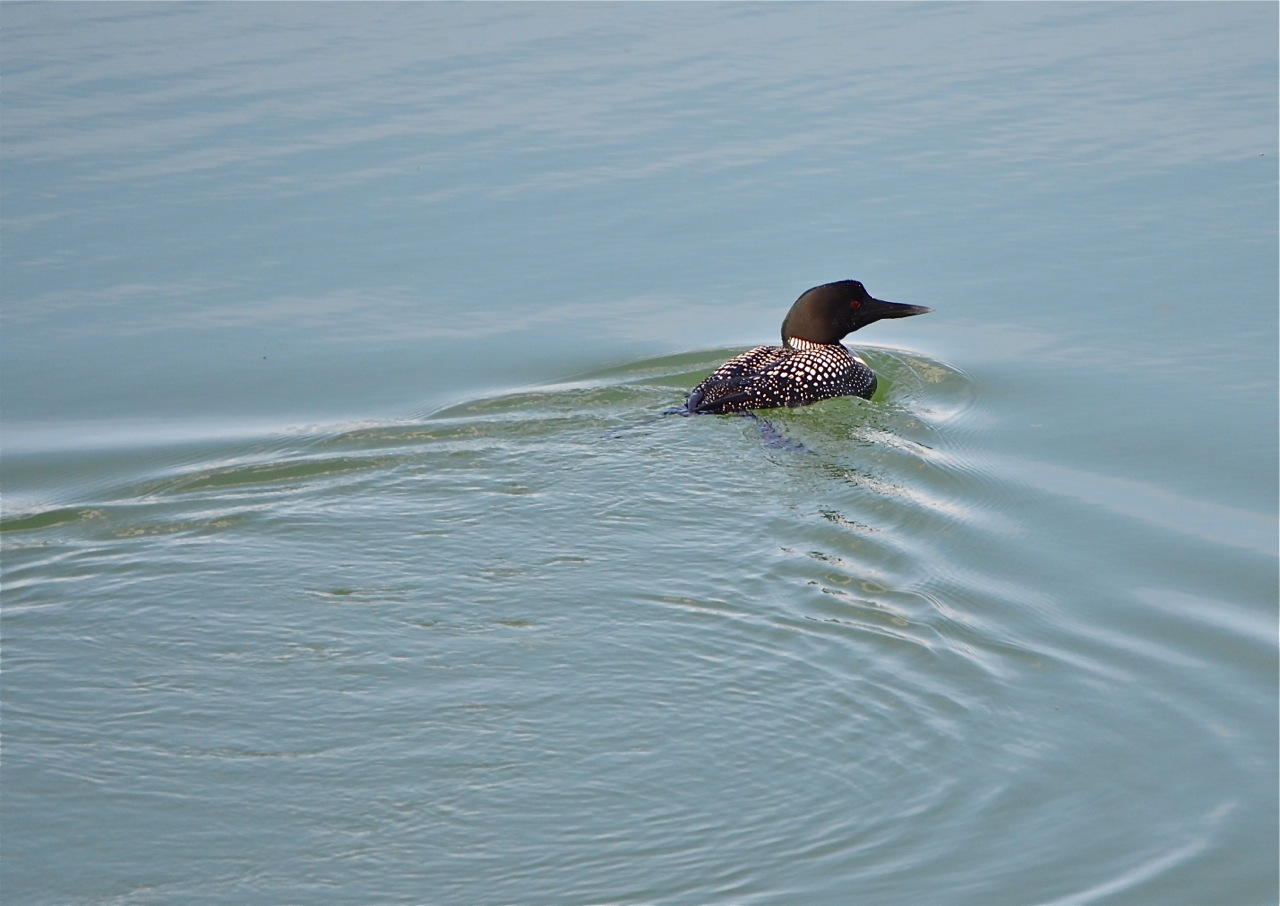
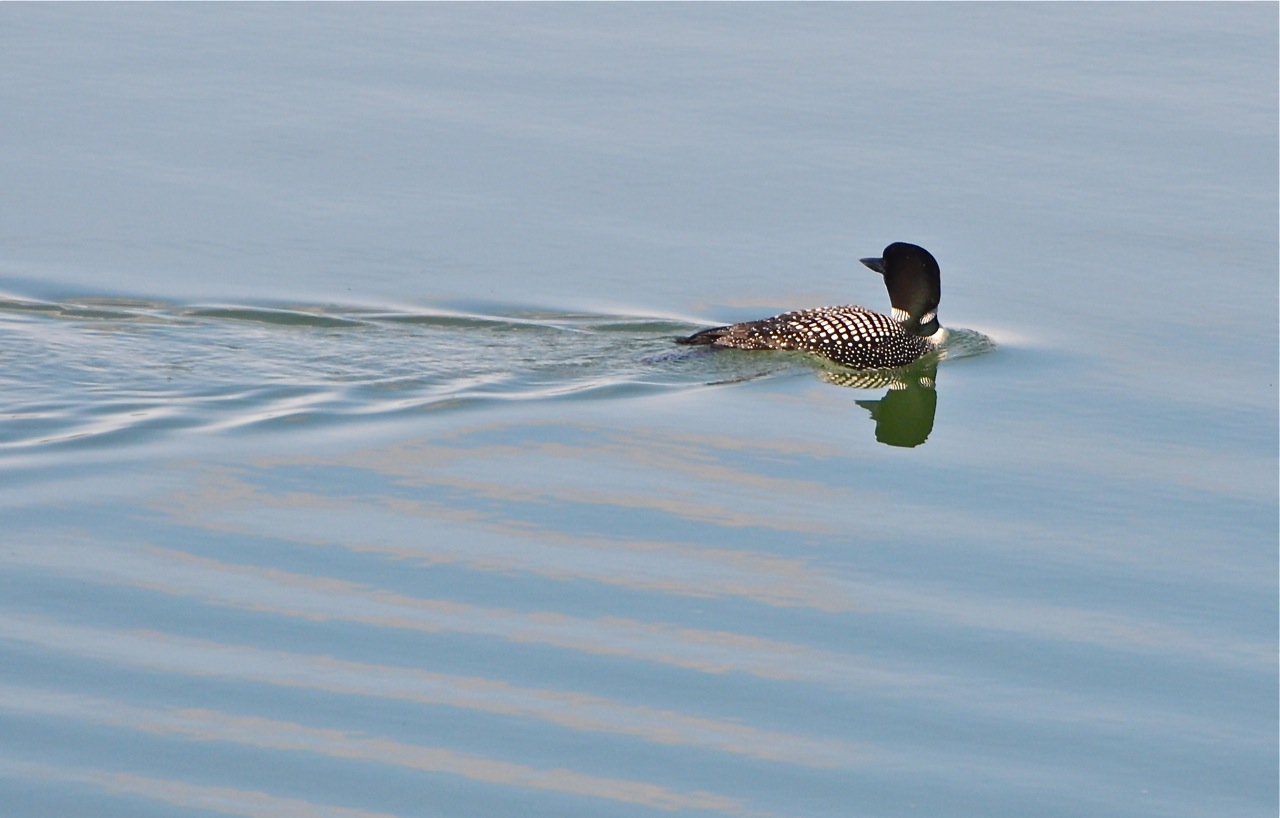
However, what made my day was another first. Since I started birding last September, there had been many ‘firsts’. Yes, the Pheasant was a pleasant surprise for a life-long city dweller, but it was seeing my first Loon up close that made it personal for me:
And hearing its call… simply mesmerizing. Couldn’t capture it here in the photo, except the serene, solitary existence:
With the sighting of the first Loon in spring water, I’ll say farewell to snow and ice, willingly. If I want to see snow, I know where to go… my photo files.
***
All photos taken by Arti of Ripple Effects, ALL RIGHTS RESERVED, 2013. Do not copy or reblog without permission.
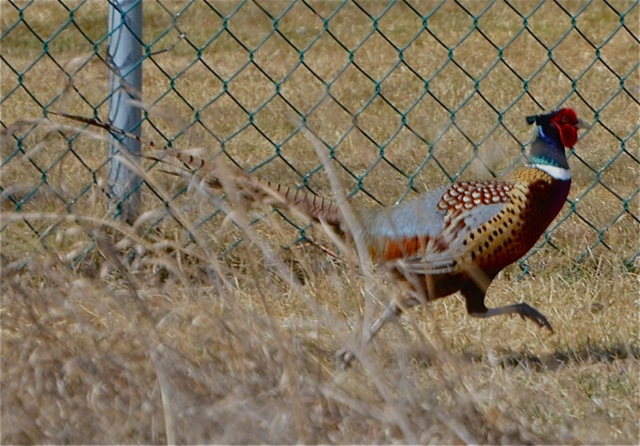
Ignoring traffic, thought he had the right of way. (Although I must mention there was just one car on that quiet road.)
**
So, I passed the test, parked the car quickly, then started stalking him. Just like in the movies…
From a distance, he knew someone was following him, so he quickened his step. And the stalker, with no lightpost to hide behind, picked up the pace but ever so quietly, camera in hand.
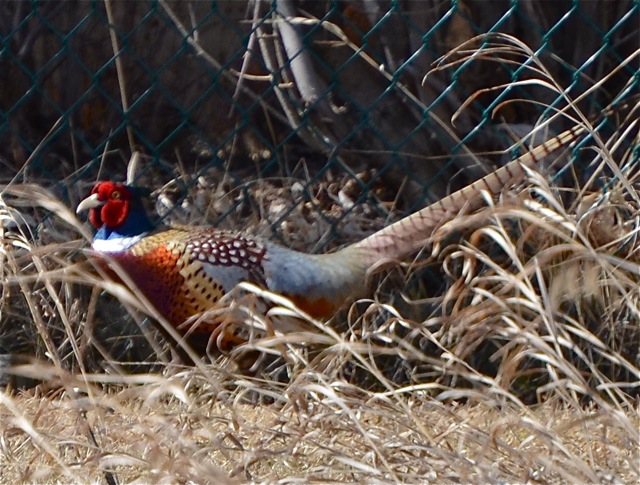
From a distance, these photos were taken, just in time for Saturday Snapshot:
I decided to spare him after a few minutes. He was almost in a panic of being followed, albeit from a distance. I’d never seen a bird so colourful and with so long a tail.
After I got home and did some researching and asking, I learned that I had sighted a male Ring-necked Pheasant, the blue-backed variety, which was supposed to be quite rare, at least, rare in my neck of the woods.
***
Saturday Snapshot is hosted by Alyce of At Home With Books. CLICK HERE to see what others have posted.
Snow has mostly melted now, but there are still remnants of winter. Strangely, I feel a sense of loss. That’s why I treasure these photos, chronicling the fading of another season.
Inglewood Bird Sanctuary in our City a couple of weeks ago…
It was a pleasure to watch this pair of Mergansers enjoy themselves in the icy water. For me, I was in full winter gear… down jacket, toque and gloves:
They were beautiful to look at. Seems like you can tell right away which is male and female:
A few days later, in another part of the City I captured the last scenes of winter:
Finally this one, I just can’t resist naming it: “Doolittle Reflection”. It reminds me of Bev Doolittle’s paintings, Click Here and see what you think.
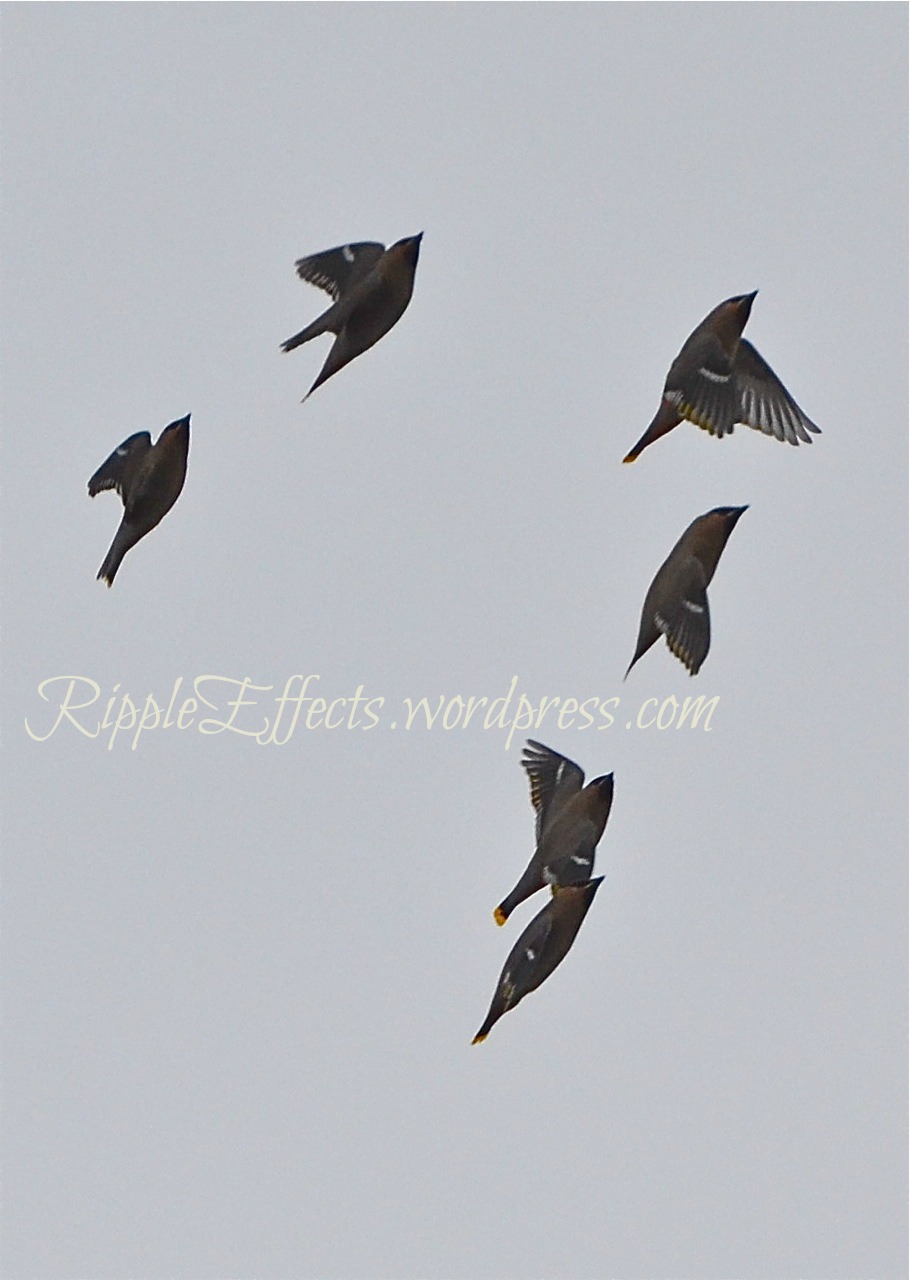
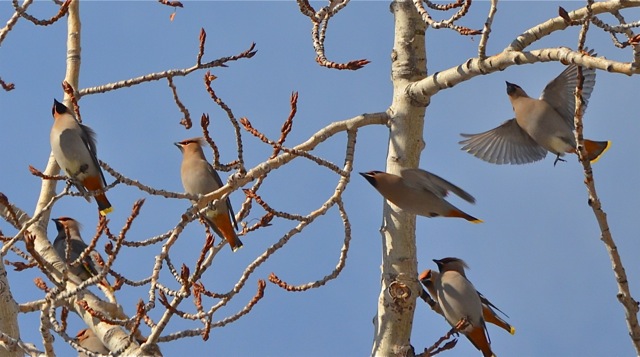
I had the chance to see the elusive Bohemian Waxwings converge in the past weeks. Now they are gone. From afar, they may evoke images from a Hitchcock movie:
But just a closer look would change your view… Avian Cirque du Soleil, acrobats of the sky:
Or… flight aesthetics, mesmerizing to behold:
I would have wanted a clear blue sky. But the grey offers a deeper fascination. These energetic Waxwings seem to defy the overcast dreariness, exuding a spirit and an aesthetics that colour cannot bring.
All photos taken by Arti of Ripple Effects, 2013. All Rights Reserved.
I regret the obtrusive watermarks. I could well have positioned them down in a corner to enhance aesthetics. But practicality took over… hopefully they are deterrents of copying.
I came looking for them… Bohemian Waxwings, nomadic passerines, and I wasn’t disappointed. From a distance, I could hear their calls even before seeing them, buzzing, chirping, echoing, convivial. Flocks of them, maybe even a couple hundreds.
From a distance, I could see them congregate on tree tops, the sight could not match the sound. If not with intention, one could well dismiss them from afar, those ‘blackbirds’ on the trees, common sight, right?
But no. A closer look could tell they’re not ordinary at all. Their pose is elegant. And they’re not blackbirds. Here’s just a small corner of a tree, reminiscence of images on quilts and tapestry:
And a little more up close, one could sense their gregarious and convivial nature:
Not until I went home, uploaded and cropped the photos could I see their silky plumage, fine and translucent, their pointed crest, the colourful markings on the wings, the yellow-tipped tails:
Because of their nomadic nature, they can be here today, gone tomorrow. No wonder… they’re one of the birds included in the bucket list book: 100 Birds to See Before You Die.
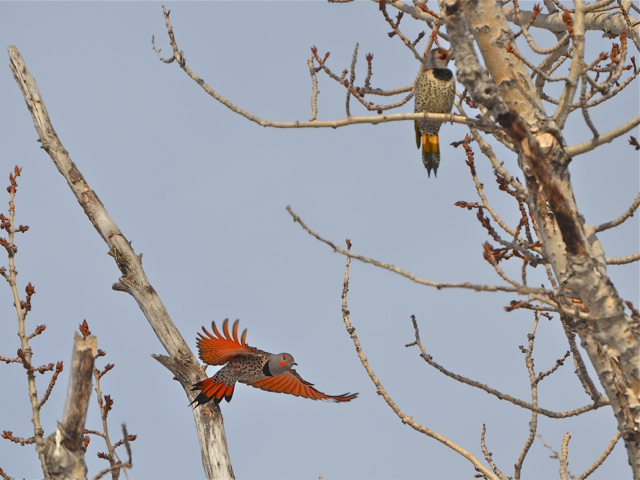
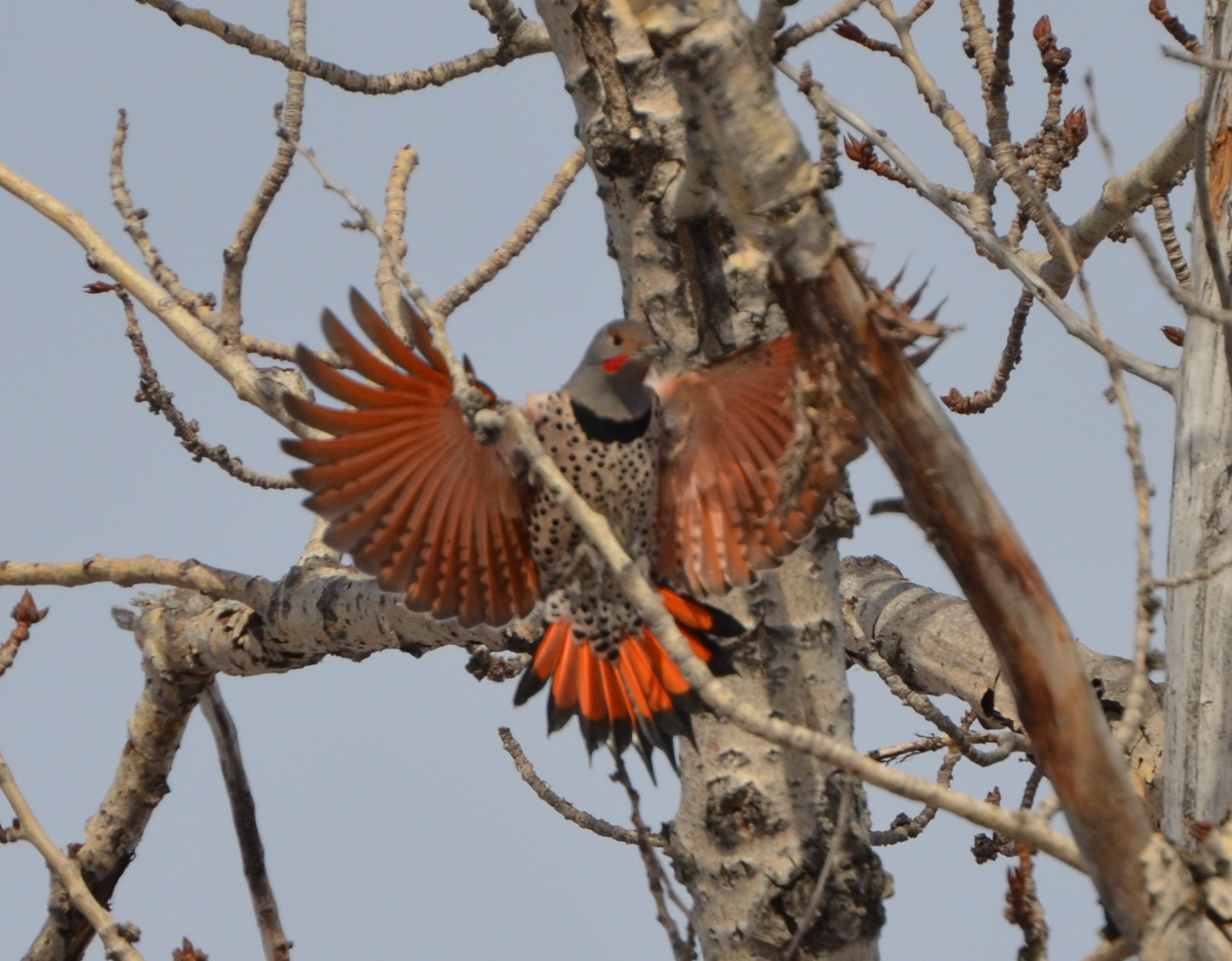
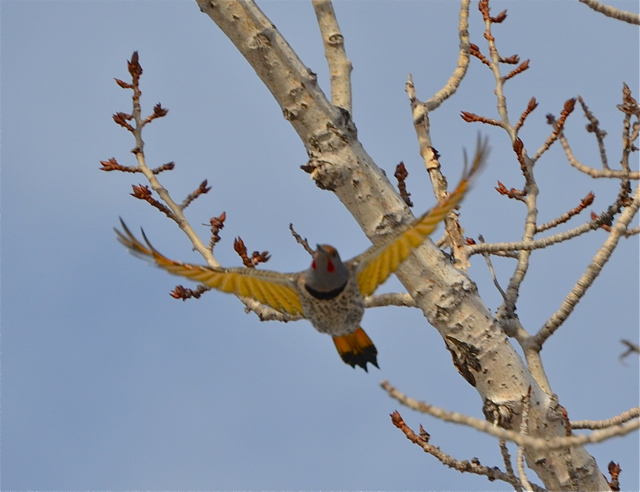
Two weeks ago I posted Saturday Snapshot February 9: Flying. There I had three photos of a Red-shafted Northern Flicker in a flying sequence. My understanding is that the Red-Shafted Flicker is found in the west, while the Yellow-Shafted one in the eastern part of North America.
Well, I haven’t shown you the larger picture on that Feb. 9 post. Here let me zoom out and show you a larger view:
See the two flickers? One Red, one Yellow (look at the tail). How can that be?
Again, the Red-Shafted Northern Flicker:
and the Yellow-Shafted Northern Flicker:
Could the Yellow be a hybrid? Looking back at the first photo, its tail is tri-color there. But here, there’s only yellow.
I went back to my camera… am I even looking at the same bird here? Or were there a Red, a Yellow, and a Hybrid?
No matter, I’m all intrigued with seeing them together.
***
Thanks to Alyce of At Home With Books for hosting Saturday Snapshots, prodding me to get out of the house to explore what nature has to offer… even in the middle of February.
I only started birdwatching in September last year. In these short few months I’ve come to discover the three levels of joy in birding.
First is the pleasure of sighting a species I’ve never seen before. Then it’s taking photos of birds perching or staying still. The most gratifying is to capture them in flight and when I come home and upload the photos onto my laptop, find them relatively in focus.
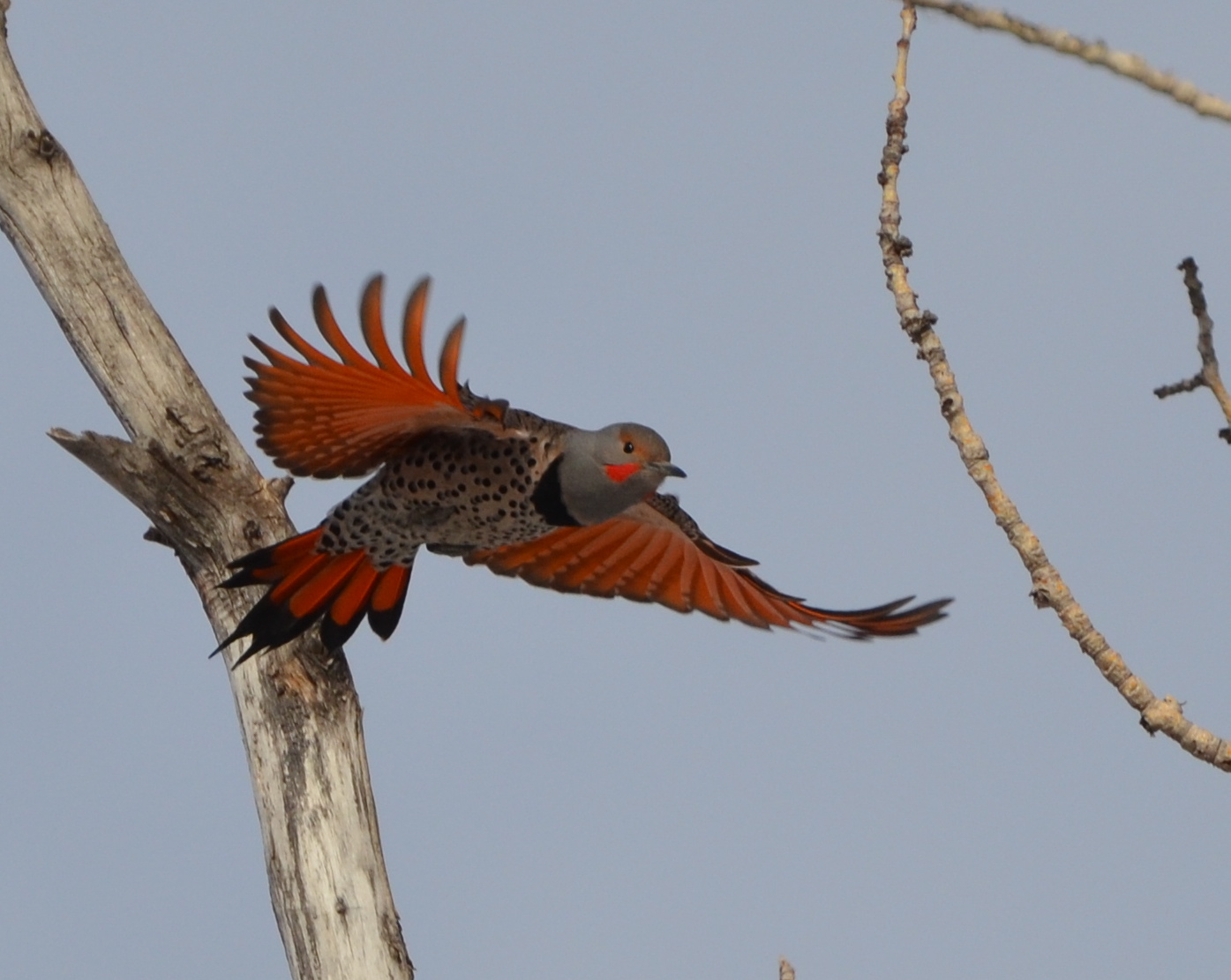
This past week, I’d the pure joy of finding the Red-Shafted Northern Flicker again, and photographing its take-off and landing.
Here is a series of shots:
No words needed.
***
Saturday Snapshot is hosted by Alyce of At Home With Books. CLICK HERE to see what others have posted. Again, thanks Alyce for motivating me to get out of the house, walk and shoot, even in minus temperatures.
Some more photos I took a few weeks ago. This time, shorebirds. Before the birding course, all birds on water were the same to me. Now I can tell the difference between some of them. And oh… they can fly too other than swim. I’m learning everyday, weather permitting.
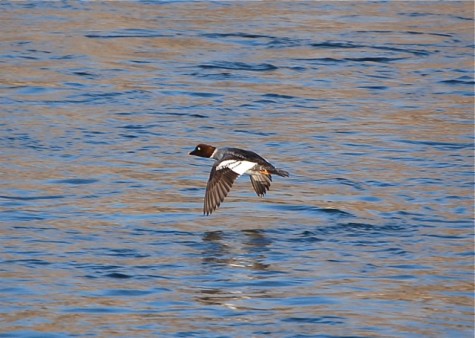
Common Goldeneye, male:
Common Goldeneye, female:
Male and female Mallard, first time I noticed the beautiful metallic blue on the male wing:
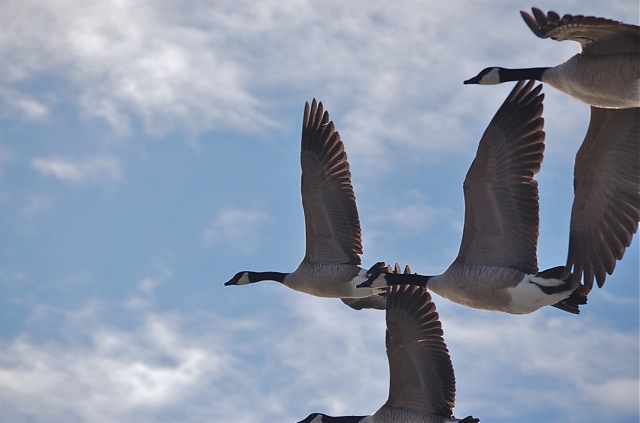
Canada Geese by the snowy shore:
Taking flight:
This one so close, it’s like I’m flying with them, no cropping has been done:
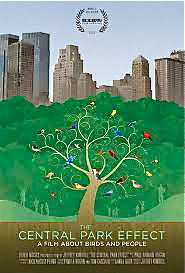
This is a must-see for all bird watchers, nature lovers, or anyone who lives in an urban jungle, thinking how one can stay there and escape at the same time. And, one would soon find this one-hour documentary just too short.
Beautifully shot, this exquisite gem of a film features its main characters the birds in Central Park. No make-up, no staging, no studio set-ups, all natural surrounding. Appearing also are the humans who dedicate their time, and some, their life in pursuing the sightings of these avian celebrities. The interviews of the birders show they are a species all their own.
Baltimore Oriole
Central Park is another major character in the film. I didn’t know this before, that it is completely man-made. The trees were planted there, the landscaping and ponds designed and built by human hands. But it is also nature. More than 200 species of birds pass through Central Park each year. During migration periods in the spring and fall, it is the hot spot of traffic thoroughfare, the hub of north-south continental flight routes.
Jeffrey Kimball is the film’s producer, director, cinematographer and narrator. I was so eager to see him in person for the Q & A after the film at the Vancouver International Film Festival on Oct. 8. Unfortunately, he had to rush back to his wife due to a medical emergency. I wish her well of course.
Common Yellowthroat
The 60 mins. documentary starts off right away by bringing us up-close to the avian paradise that is New York City’s Central Park, and with interviews of their inhabitants’ human admirers. What’s more interesting to hear than the exhilarating tone of the humans are the cheerful chirping of bird calls and songs throughout the film.
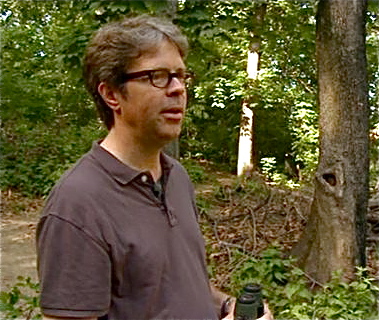
As a newly converted birder, I don’t need Jonathan Franzen to tell me the joy of birding, but it’s good to hear him share his view just the same: it’s ‘addictive’, that he would ‘miss work’ to go out to Central Park to have his fix of birdwatching. Oh, it’s also ’embarrassing’ too.
Jonathan Franzen
Yes, that’s the view of another birder, adult male. He shares that it’s been noted that birdwatching is not manly. There are guys who would carry their fishing rod and tell their wives they are heading out fishing, too embarrassed to admit actually it’s a birding they will go. It’s just… not cool.
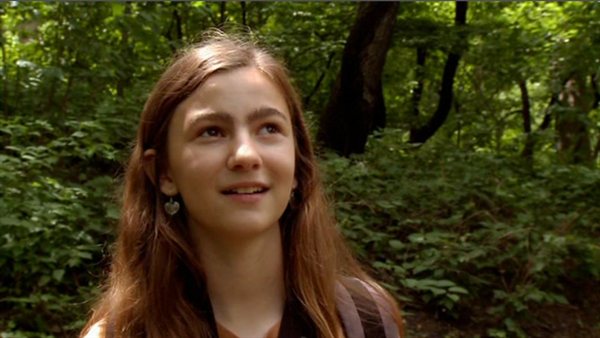
Anya Auerbach, 15, echoes that sentiment. Not cool, geeky even. But does she care? The answer is obvious. She is not into fashion like her peers, but she is into something deeply gratifying.
Anya Auerbach
As any birder would readily admit, binoculars hanging on their neck, and maybe a camera with a long lens on the side, they look like walking geeks, to be spotted and laughed at. But as they weigh the joy of actually seeing that rare thrush, to be labelled and misunderstood is a small price to pay.
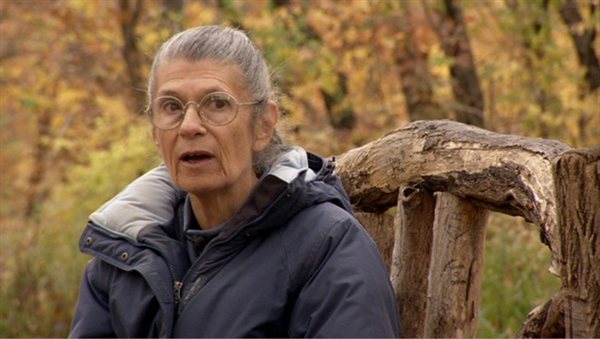
Starr Saphir is the matriarch of birding in Central Park. She has been leading birding groups in the spring and fall, four times a week for over 30 years. She could well be a walking specimen of the psychosomatic benefits of birding. Diagnosed with terminal breast cancer for a decade, Saphir testifies to how watching birds keeps her going. “Looking at birds really takes away sadness…” When one considers the fleeting nature of life, the joy is even more precious.
Starr Saphir
Chris Cooper disappears from his human social circle every year between April to Memorial Day. His friends know from experience that he has gone birding in Central Park. They understand his obsession. In the film, we can see his contagious enthusiasm.
Chris Cooper
Birdwatching is like collecting. The numbers count, how many species you’ve seen, which ones, the rarer the higher valued. It’s like seeing a unicorn… or, a bit more down-to-earth, it’s like you’ve seen pictures of a movie star, but when you actually see her/him in person, it’s a totally different feeling and experience.
“It’s mystical,” another birder articulated.
And to correct a misguided notion, birding is not a hobby, as one dedicated birder explains. Like raising children, it is a “deeply human activity.”
The Annual Central Park Christmas Bird Count is the longest running citizen science survey in the world. It is disheartening to note that the bird counts are dropping significantly in recent years.
Birds are nature’s celebrities, seeing them gives a birder deep pleasure and exhilaration. What’s most precious though, they are oblivious to their fame. They don’t flaunt their beauty, they don’t pose for pictures. They are as natural as can be.
As the credits roll at the end of the film, we see all those deserved to be named: species of birds that have appeared in the film.
An Autumn birdwatching course I just started brings me to a whole new world I haven’t explored before. Of course I’ve observed birds, appreciated and even photographed them occasionally, but never so up close and personal, and purposeful.
Some in my group are equipped with long 400mm lens, nature paparazzi. But we leave nature be, of course, and being so far away from our subjects, no invasion of privacy. This pensive Gull isn’t a bit bothered by us.
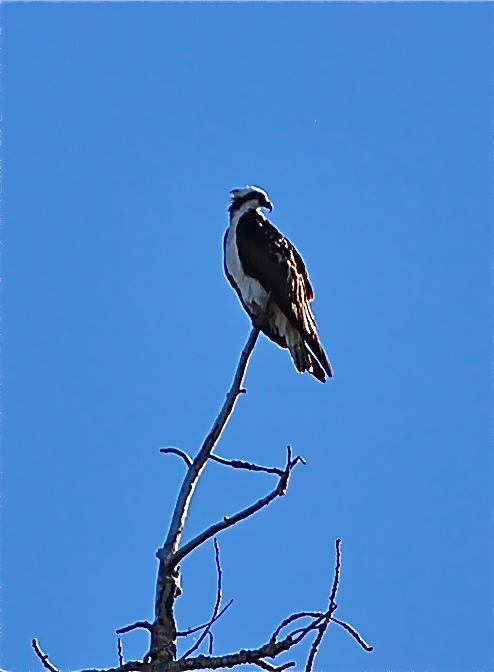
With just a 50-200mm lens, this is the best I can do. The Osprey is harder to capture of course. With a little help from iPhoto, here’s a closer look of her/him perched high up in a tree, and even farther cruising in the bright blue sky.
I can only wonder why it has taken me so long to come to such a fascinating world. 12 more weeks to go, yes, into the snow likely.


 Among the rubbles of dead trees and debris, what I found amazed me. Do you see what I see? Look, right in the middle:

 A closer look at the beautiful silky plumage:
 Not just the Waxwings, hoards of Cliff Swallows joined in the natural chorus. But they were too fast for me to capture on camera. I could manage just a few shots. In most of the photos they came out too small and blurry: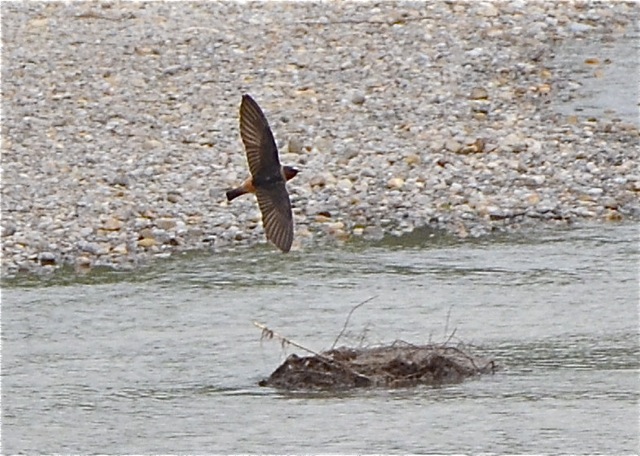



 Life goes on.





















 Ripple Effects