August at the Pond

Our summer is short. After a few weeks of record high temperatures, as August arrives, I can feel the cooler air creeping in.

DSC_0126.jpg

At the Pond, August brings a harvest of berries and edible delights for the birds:

DSC_0158


DSC_0147

Here are some of the guests relishing Nature’s feast.

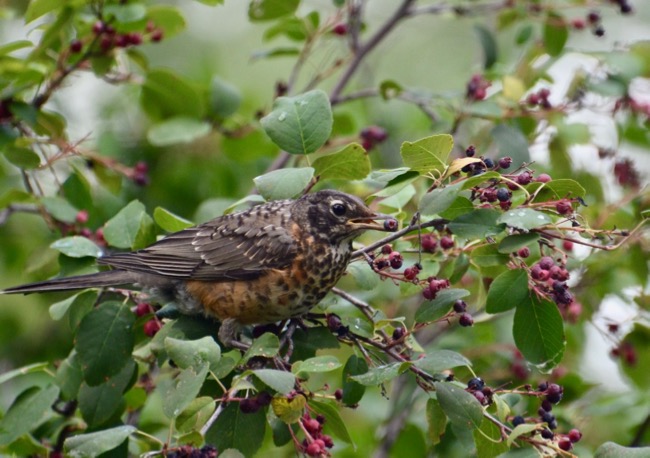
Forget about worms, these succulent fruits are tastier. The young Robin learns fast:

The Robin

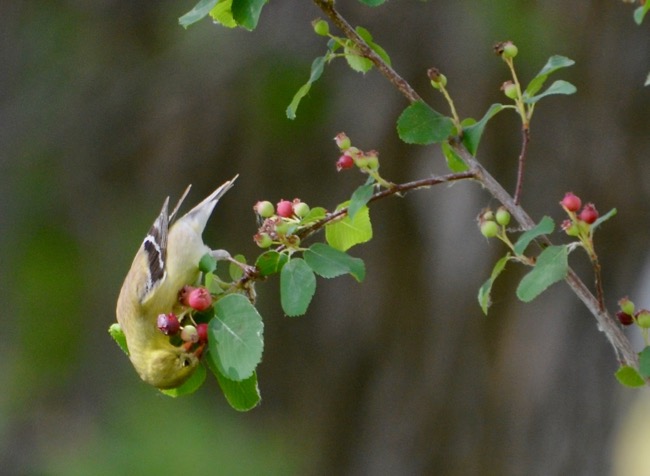
The American Goldfinch, bending over forward:

Bend over forward

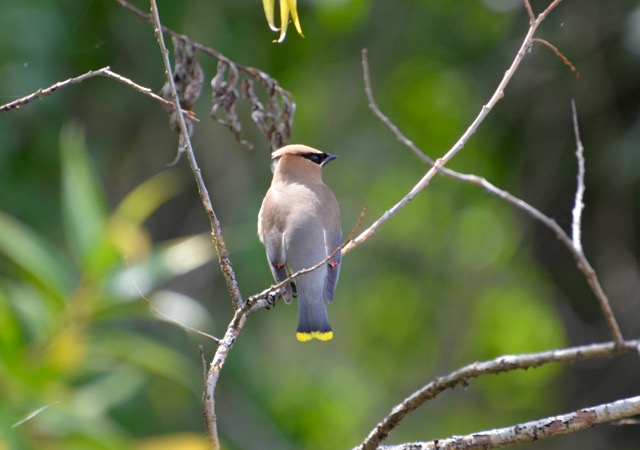
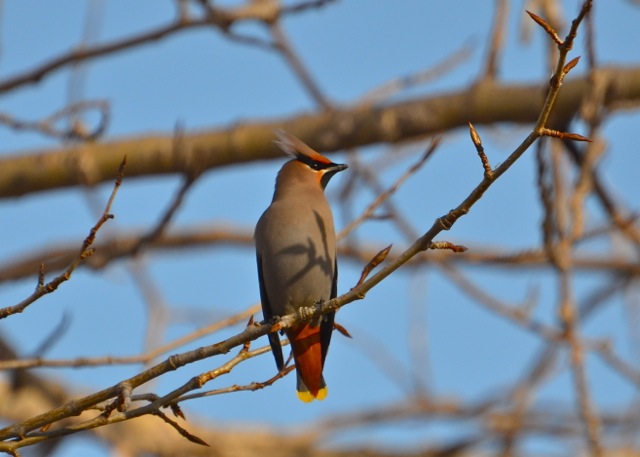
The Cedar Waxwing knows her etiquettes, always graceful and poised:


Wax Wing


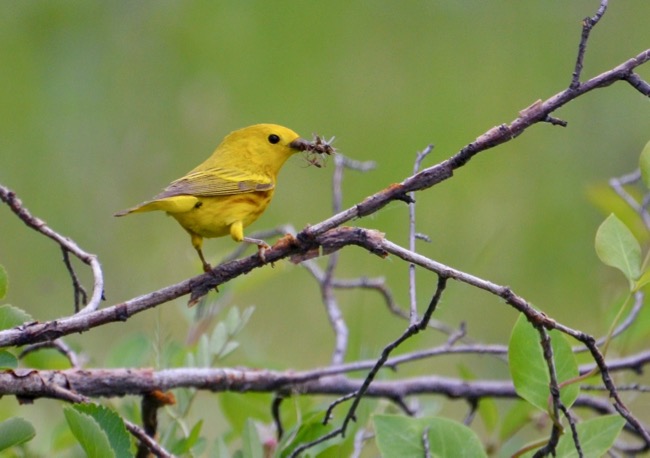
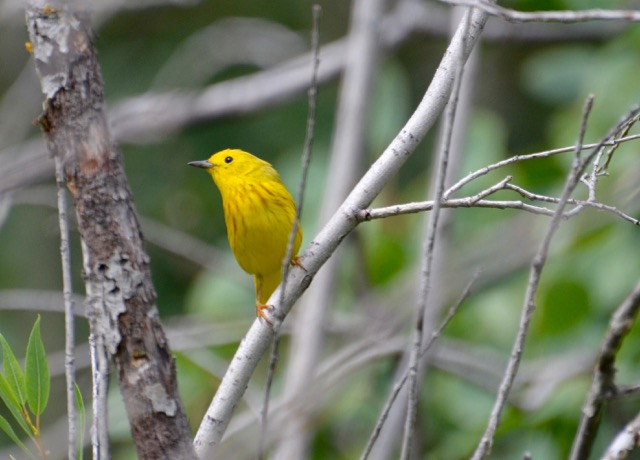
Among them all, I must say my favourite is the Yellow Warbler. They are not fond of berries, but there are lots to eat around here. I’m most grateful for their taste. Here’s why: Mosquitoes eat me; warblers eat mosquitoes. Simple as that.

Warbler

Warbler 1

Warbler 3.jpg

What more, it’s no simple feat to sing with a mosquito in your mouth:

Still sing.jpg

In a few weeks, the Warblers will be gone, and I’ll be capturing scenes of Autumn. Yes, that soon. But for now, I’ll feast on summer sights. So, eat to your heart’s content, my Warbler friend.

***


A Movie to Celebrate Canada Day

Happy Canada Day to all my Canadian readers!

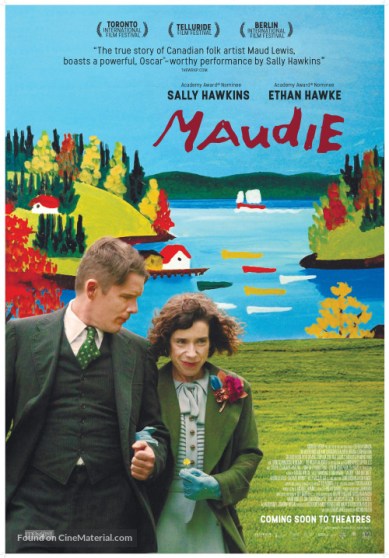
To celebrate Canada’s 150th birthday, and pay tribute to the Canadian spirit, I’d like to recommend the movie Maudie, about the folk art painter Maud Lewis (1903-1970). Born in Yarmouth, Nova Scotia, Maud lived with her brother Charles in their family house until he sold it. In the movie, Maud overhears Charles telling their Aunt Ida he will pay her to accommodate and look after Maud in her home.

Maudie

Born with a small frame, disfigured facial features and deformed fingers, Maud suffers from severe rheumatoid arthritis as an adult. Such handicaps however do not cripple Maud’s sanguine spirit and fierce independence. While staying at her Aunt’s place, she answers an ad for a housekeeper posted on the bulletin board of the local store. She jumps at the opportunity as she sees it as a way to move out of her Aunt’s and strive for her own independence.

The house that needs a housekeeper is home to Everett Lewis, a fish peddler in the village of Marshalltown, on Nova Scotia’s northwestern shore. Everett’s abode is a cramped, one-room hut with no running water or electricity. With her arthritic hands Maud cleans the floorboards and tends to Everett’s daily needs, cooking on the wood stove and bearing with Everett’s demeaning outbursts. The rule of the house is, he first, then his dogs, his chickens, and lastly, Maud.

Does Maud feel defeated? Well sure, but just temporarily. Her resilient and cheerful spirit can move even a mountain of a misanthrope. Not long after, she and Everett got married. “A pair of odd socks,” she says of their seemingly incompatible personalities. We hear it often nowadays, “diversity is strength”. The Lewis’s household is evidence to that.

And of course, there’s the economic factor.

Maud turns Everett’s dingy house into a pleasant abode. She begins to paint on every surface: the walls, windows, door, stove, washbasin with lively flowers, birds, and whatever she sees in nature. She also picks up small, discarded wood boards to paint scenery and snowscapes. Not long after, a sign “Paintings for Sale” is placed outside their tiny house to diversify the household economy.

Deer painting

Maud is one successful entrepreneur. Her folksy paintings soon draw the attention of passers by; the cheerfully decorated little house on the wayside soon becomes a stop for designated shopping and repeat customers, a point of interest for visitors. Later, it becomes a converging site for news crews and journalists. Each piece of board painting is sold for about five to six dollars, a card, 10 cent. Everett is the finance minister and holds the purse strings.

The movie presents Maud’s story with beautiful and absorbing cinematography. The pace is slow, allowing viewers to immerse in the outwardly harsh life of Maud’s, in contrast to her vibrant spirit and life-affirming talents. A tiny window is a frame of the world outside. The last part of the film comes to a sad note as Maud succumbs to illness of the lungs.

Now, to the making of the movie. The subject is Canadian, Maud Lewis is very much a Canadian folk art icon, her works are in the collection of the Art Gallery of Nova Scotia. The filming location is Newfoundland and Labrador. But note this: the movie is helmed by Irish director Aisling Walsh (BAFTA nom Fingersmith, 2005), Maud is played by the English actor Sally Hawkins (Oscar nom Blue Jasmine, 2013), Everett is played by American actor Ethan Hawke (Oscar nom Boyhood, 2014). If I were a protectionist ruler, I wouldn’t have let them come in to make it.

But then again, this is Canada, eh?


~ ~ ~ 1/2 RIPPLES

***

RELATED POST ON RIPPLE EFFECTS:

Séraphine and the wrought-iron chair 


Owl Babies’ Day Out

It has been three weeks since I last posted about a first sign of spring: Grizzly bear coming out of hibernation. Now, spring is in full force. Another sure sign in my neck of the woods is Great Horned Owlets out to enjoy the sunshine.

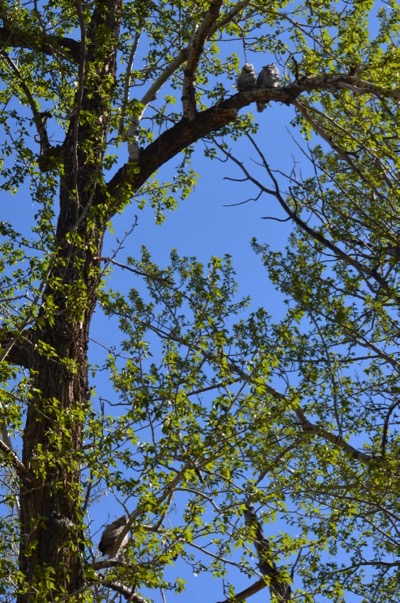
First, let me play a little ‘Where’s Waldo’ with you. Can you find the owls in this photo? How many do you see?

DSC_0613

The obvious ones are on the top branch, mom on the right with her baby, and in the lower, closer to the trunk, another owlet.

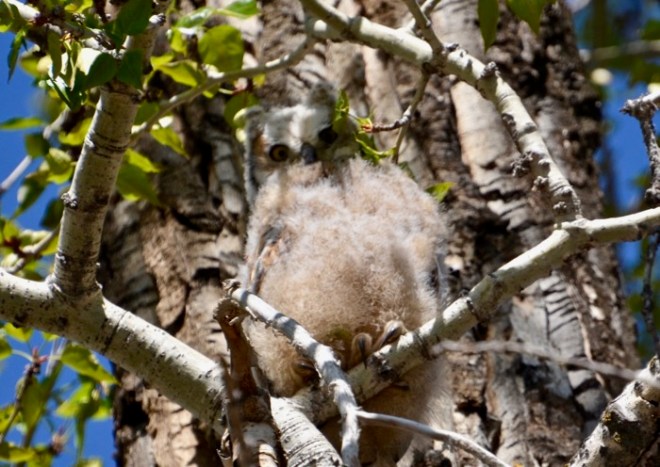
Some are just born to be more independent. Take a closer look at this cool, furry owl baby perching on her own branch. Seeing me eagerly snapping her photo, she sits still for me, giving me a big smile even:

Doll


She reminds me of those Ukrainian dolls.

Furry

But don’t think she’s all innocent and vulnerable, look at her claws:

Claws

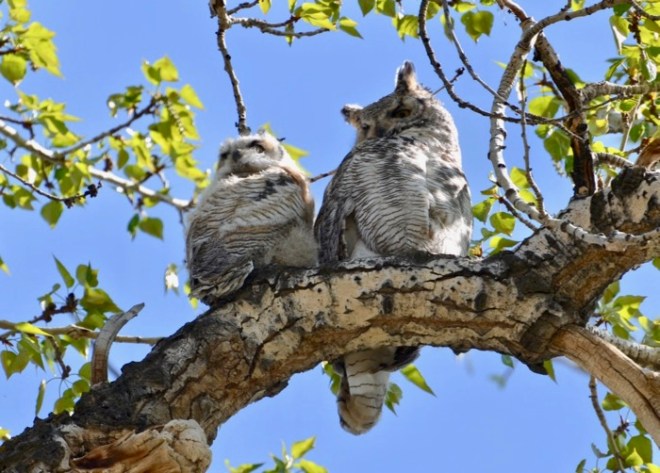
And to the mother and the other baby in the upper branch, again, they know how to please us nature paparazzi, just by being themselves:

DSC_0607

Babe & Mom.jpg

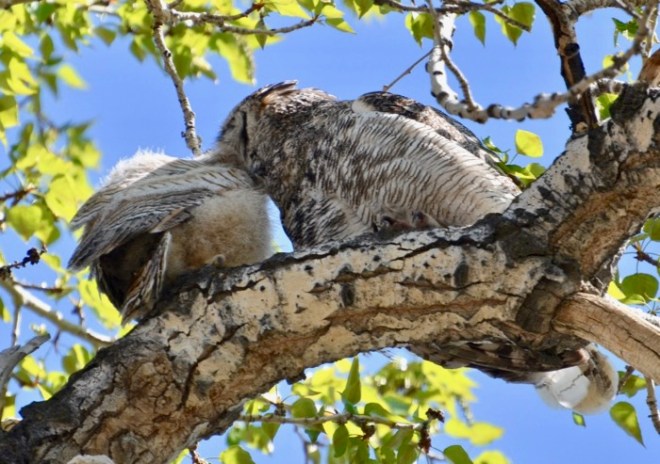
And here, a little action for us, Mom preening her baby. The term of endearment is instinct:

Mom preening baby

Preening babe.jpg

I can hear the baby say: “Thanks Mom. Happy Mother’s Day!”

***


Do Not Say We Have Nothing Book Review

April 3rd UPDATE: Do Not Say We Have Nothing shortlisted for the Baileys Prize.

***

First the Booker, then the Giller and the GG, and now longlisted for Baileys Women’s Prize for Fiction, this voice must be heard. I thank Asian American Press for allowing me to post my review here in full, and Penguin Random House Canada for my reviewer’s copy.

***

Just a few months after it was published in May, 2016, Madeleine Thien’s Do Not Say We Have Nothing was shortlisted for a Booker Prize and had won the top two Canadian literary awards, the prestigious Scotiabank Giller Prize and the Governor General’s Award for fiction. That is extraordinary achievements for the Vancouver born, Montreal based writer.

Thien creates her third novel on a large canvas, spanning from the decades leading to Mao’s Cultural Revolution in 1960’s China and onward to the Tiananmen Square protests and government crackdown in 1989. Even though her novel does not stem directly from a personal experience like others’ such as Dai Sijie’s semi-autobiographical Balzac and the Little Chinese Seamstress, or the eye-witness account of journalist Jan Wong’s Red China Blues, Thien’s outsider’s stance is far compensated by her extensive and detailed research, not just 20th Century history of China but down to the streets and local teahouses. Further, the absence of a first-person experience is replaced by an exuberance of imaginary characters and storytelling, all intricately woven with actual accounts of historical figures and events.

While not being an eye-witness, Thien’s cultural lineage could have brought her into a kind of insider’s realm. Born to Malaysian-Chinese immigrant parents in Canada, Thien’s previous writing had depicted the unique perspective framed by her upbringing. The stories in her collection Simple Recipes (2001) have revealed poignantly the cultural and generational conflicts that could exist in a North American Asian family. Further, Thien’s previous novel Dogs at the Perimeter (2011) had prepared her well to venture into the abyss of human atrocity, with the backdrop of Khmer Rouge’s infamous killing fields in Cambodia. Do Not Say We Have Nothing presents a larger landscape and a more ambitious undertaking than her previous works.
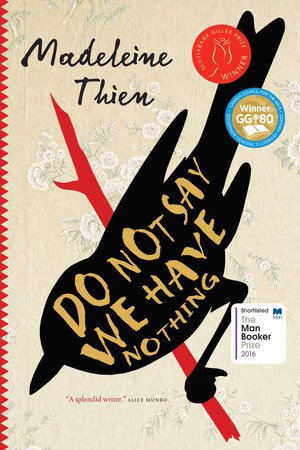
Madeleine Thien

This is how the book opens, simple yet powerful:

“In a single year, my father left us twice. The first time, to end his marriage, and the second, when he took his own life.”

Here we hear a voice, seemingly nonchalant, but still lucid and sad. This is the voice of the protagonist, Marie. She was ten years-old and living with her mother in Vancouver when she learned of her father’s suicide in Hong Kong. The year was 1989. Not long after this news, Marie’s mother took in nineteen-year-old Ai-ming from China, alien and undocumented, escaped out of the country during the Tiananmen crackdown.

Ai-ming’s short refuge in Marie’s home bonded the two like sisters. As well, she opened the eyes of young Marie to life inside a totalitarian regime. The radio played only eighteen pieces of approved music. Her father, Sparrow, would listen to illegal music secretly and hum the melody of his own composition when he thought no one was around. Ai-ming’s interactions with Marie have prodded her—now twenty years later and a professor of mathematics at Simon Fraser University—to search for the truth about her father Kai and his mentor, Ai-ming’s father Sparrow, as well the tragic personal and national history that had consumed their lives.

With Ai-ming’s help, Marie and her mother began to decipher a secret hand-copied manuscript Kai had kept, “The Book of Records”, passed on to him from Sparrow, an allegorical account of their life in China, outward journey and clandestine dreams, “things we never say aloud”. As a young child, Marie was overwhelmed. Now as an adult, she is driven all the more to pursue the truth of her own family history.

It is not easy to follow Thien’s story in the first few chapters as there are many characters introduced with their own backstory. Time frame switches back and forth, spanning two continents. As I entered Chapter 4, I had to draw up a character chart, as I was looking into a kaleidoscope of three generations and other colourful figures against tumultuous events. If the book had included such a chart at the beginning, it would be most helpful for readers.

We follow Marie’s discovery as she comes to learn that her father Kai used to be a gifted piano student at the Shanghai Conservatory of Music, and Sparrow, a prominent composer, was his teacher there. Together with Sparrow’s young cousin Zhuli, a prodigious violin student, the three forged an unspeakable bond. They cherished each other’s dreams with youthful fervors, which all were altered if not extinguished when Mao ignited his Cultural Revolution.

When she was small, Zhuli discovered by accident her parents’ secret storage where they hid their treasures of western classical music records and books. This led to her parents, Swirl and Wren the Dreamer, to be charged as counter-revolutionary. They were publically criticised and humiliated, then sent to separate labour camps in the remote northwest of China in the name of ‘re-education’. Zhuli was taken secretly to her aunt, Big Mother’s Knife, Sparrow’s mother, and there she grew up. The woman who brought her there had met her aunt only once while on the train. As she ate a lot of the White Rabbit brand candies, we know her by that name. The White Rabbit told Zhuli about her parents’ situation matter-of-factly:

“They’ve been sent for re-education, that’s all… Since you’ve never been educated at all, it seemed pointless to send you along with them.”

This is just one incident where Thien deftly dispenses humour amidst somber events. This is what makes the book enjoyable to read. The subtle humour often is the wrapping of the resilience of human spirit hidden among tragic happenings.

Thien’s story is embedded in historical facts. The prestigious Shanghai Conservatory of Music was shut down in 1966 during the Cultural Revolution, its five hundred pianos destroyed, denouncement and physical battering of the professors and students had resulted in deaths and suicides. Bearing the brunt of the persecution was the unyielding Conservatory President He Luting, beaten but not bent.

Due to their political affiliation, Sparrow’s parents Big Mother Knife and Ba Lute are spared, but what remains in Sparrow is a compromising existence, being sent to work as a factory work for twenty years after the shutdown of the Conservatory. Kai the pragmatist chooses to follow the mainstream and becomes a Red Guard. Young Zhuli sets foot on a tragic path.

With such a setting, it is only natural that Thien would use classical music as the leitmotif of her composition. Shostakovich, Beethoven and Bach are like witnesses to the unfolding of human atrocity, their melodies the fuel that sustains whatever internal fervour that remains. Shostakovich, himself a composer treading a precarious line between authenticity and self-preservation under Stalin’s rule, is an apt metaphor of the situation the trio have to face. The different choices made by Sparrow, Kai and Zhuli well represent the paths that are opened to an artist facing political persecutions.

On another note, and true to her Canadian root, Thein lets pianist Glenn Gould and his two recordings of Bach’s Goldberg Variations be a recurring motif in her story. Bach’s ethereal and invigorating theme and variations belong to Sparrow, the sustenance for his inner life despite deadening circumstances outside.

As the canvas is huge, Thien’s subject matters are numerous. The details and complexity may be a hindrance to readers’ enjoyment. Yet Thien’s voice is close and personal. Do Not Say We Have Nothing, the title taken from the workers anthem the ‘Internationale’, deserves our listening ears. As an instructor of the then newly established MFA Program in Creative Writing at City University of Hong Kong from 2010, Thien experienced first-hand the abrupt cancellation of the program in 2015 “as a result of internal and external politics” as stated in her Acknowledgement at the back of the book. In her article in The Guardian (May 18, 2015), she notes that students from the Program had published essays in support of the Occupy Central student-led democracy movement, the ‘Umbrella Revolution’, that brought Hong Kong to a standstill. That personal experience could well have informed and given her the potent, insider’s voice in her novel writing.

***

~ ~ ~ ~ Ripples


Saturday Snapshot Dec. 3: Late Autumn

After I came back from London in mid October, the Pond already looked deserted. Suddenly in the last few days my Air (Avian) B&B was buzzing with activities again. The Pond had become the meeting place of waterfowls making their last stop before heading south.

Here are some of them on a sunny, cheery afternoon. So glad to see signs of life before the big chill. Forecast for next week’s lowest temperature: -24C (-11F).

late-autumn

riverview

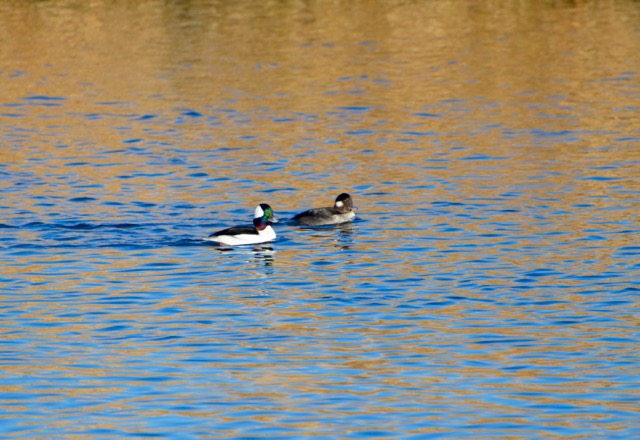
Pardon me for not showing my regulars the Mallards, but it’s the infrequent guests that I treasure more; although still ‘common’, there are just less of them than Mallards. Here are the Buffleheads. Like they’re right out of a Monet painting. No colour alteration here:

buffleheads


bufflehead-couple

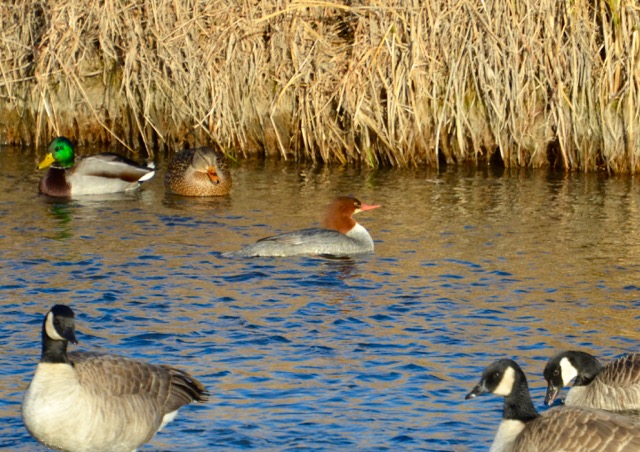
My favourite has to be Mrs. Merganser. No matter what time of day, she looks like Lucille Ball just out of bed. Her uncombed, red hair stands out particularly:

lucille-ball


lucille

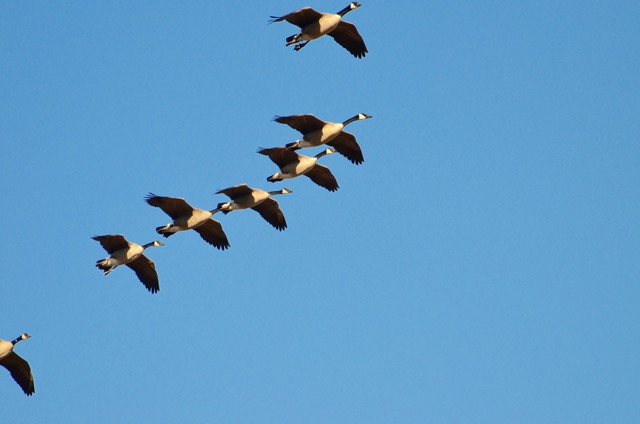
Up in the sky, more Canada Geese getting ready to land on the Pond, joining the late Autumn sendoff party:

canada-geese

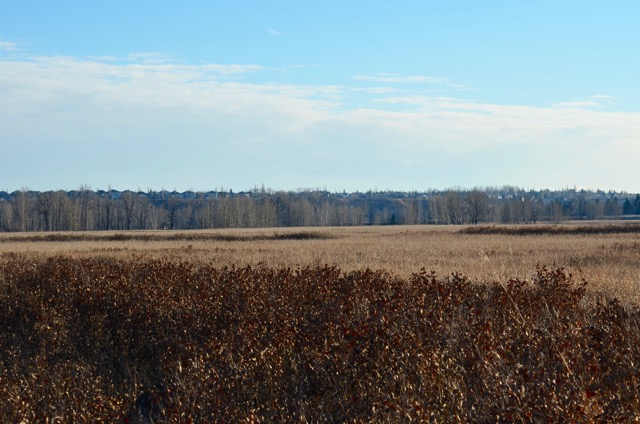
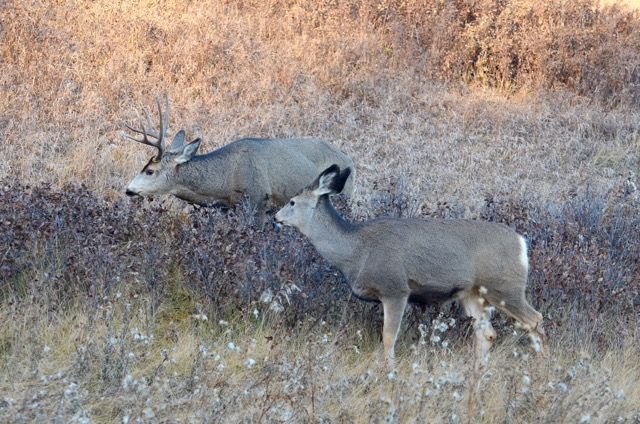
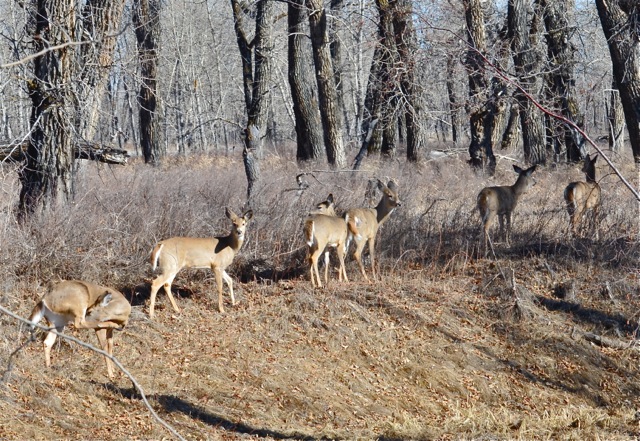
Less convivial on land, I’m afraid. Why, it’s all brown and barren. The white-tailed deer filling up in the evening sun. Yes, it looks desolate. Dry shrubs are all that’s left for food.

autumn-brown


deer

And -20’s C. next week? Good time to tackle the piles of books on my bedside table.

***

Saturday Snapshot is hosted by West Metro Mommy Reads. CLICK HERE to see what others have posted.

Saturday Snapshot September 24: Cootes Paradise Marsh

So this is what a film buff and birder did at TIFF… she took a day off from films and headed out to Nature.

The Cootes Paradise Marsh Nature Sanctuary in Burlington’s Royal Botanical Gardens is about a 45-minute drive southwest of Toronto. Hiking the trails there was total relief from pounding the pavement between TIFF venues. I immersed in the silence of the Nature Sanctuary, with bird calls and sounds of crickets replacing the hustle and bustle of downtown traffic.

First off, there were many birds, but mostly Chickadees. The Bluejay I see often in Alberta, but not among maple leaves:

bluejay-in-maple-leaves


Indeed, the leaves are so different from what I’m used to seeing. Like these here. Never seen leaves wearing sunglasses before:

Leaves wearing sunglasses.jpg

Seldom see frogs on my path either. Nearly stepped on this little guy:

Frog on my path.jpg

Or a mushroom this fancy:

mushroom-1

I just love how well planned these trails are, so considerate in their design:

dsc_0777


See the upper left corner of the above picture… A colony of cormorants:

cormorants

As I came close to the edge of the water, I felt like I’d gone inside a corn maze:

Maze.jpg

rbg-marshwalk-observation-tower

The observation tower at the end offered a panoramic view of the marsh, but not my camera though. So here they are in different frames:

marsh-2

Marsh.jpg

It’s here that I had my first sighting of the Great Egret:

egret-on-the-move

And a Mute Swan with her young, which were brownish but almost as large as the adult:

mute-swan-juveniles

As I made my way back I walked through fields of goldenrods, that was quite a sight:

goldenrods


***

Saturday Snapshot is hosted by West Metro Mommy Reads. CLICK HERE to see what others have posted.

Saturday Snapshot July 16: Solace

It’s a mad, mad, mad, mad world.

I’d never imagine myself typing these words other than the title of the 1963 comedy. Tragedy instead, and very real, not in a movie. What’s happening these past days can drive one to despair. I’m not just thinking about the celebratory crowd mowed down by a truck, family with children watching fireworks. Or here, a mother murdered in her own home, her five year-old girl missing and three days late, her body found in a field. O, a national anthem and a peaceful baseball game jeopardized by a lone-wolf tenor. Or, a U.S. presidential candidate vowing to declare war once he’s elected.

That’s why I appreciate the Pond more and more these days. Not just to take me away from screens big and small, get some fresh air, breathe in the sight and sound of another world. No need for words, it’s a living testament of Nature reassuring the Maker’s Grace, antidote of madness. Not so much a place to escape but to think, revive, and just be.

Peace returns soon as I step out of the car. How does that song go? All things bright and beautiful, all creatures great and small. I love them all, well some more than others. Like, I’m partial to the tiny yellow warbler than the muskrat:

Yellow Warbler

YB.jpg

I’ve pictures of the muskrat too, but never mind.

The quiet poise of the Eastern Kingbird. Got a juvenile here, I think, from the downy front. Such a tiny creature unknowingly is a carrier of a reaffirming message:

Eastern KB

Yes, even the ‘common’ sparrow (has a name too, Savannah) looks smart and confident. O the comfort of neither having to reap or sow, of being cared for:

The Sparrow

Or no need to worry what to put on. The Cedar Waxwing is often adorned and well groomed, ready for any photo op., yet raising no jealousy:

Cedar Waxwing

It’s a peaceful world out here by the Pond. Another song just come to mind…


And let it begin with us.

***

Saturday Snapshot is hosted by Metro Mommy Reads. CLICK HERE to see what others have posted.

Saturday Snapshot July 2: Summer Visitors

Here at the pond, summer visitors arrive to my natural Air B&B in June from near and far. I admit up here above the 49th parallel, I don’t get as many varieties as I’d like to see, nor as colourful as many of you have down in the south. Still it gives me great pleasure to host them.

Here are some of the avian visitors in the past month. Glad they find my Air B&B suitable for their stay, taking advantage of the pool and the amenities, free breakfast, lunch, and dinner. They are usually shy to be photographed, so I got them in my Air Guestbook unobtrusively.

Some new guests, for me anyway, like Mr. and Mrs. Ruddy Ducks. Hard to get them to come closer for photos, so here’s a blurry snapshot from afar. How do I identify them? The light blue bill of Mr. Ruddy:

Male & Female Ruddy Ducks

A repeat visitor, although not always easy to find, so I’m delighted to host, the Greater Yellowlegs:

Greater Yellowlegs

Families are most welcome. Here are my regular visitors, the CG Family:

The CG Family

Always glad to see them make themselves at home. I got this pic as they took their morning stroll:

A morning stroll

The quiet Spotted Sandpiper soaking in the sun and the sight:

Spotted Sandpiper

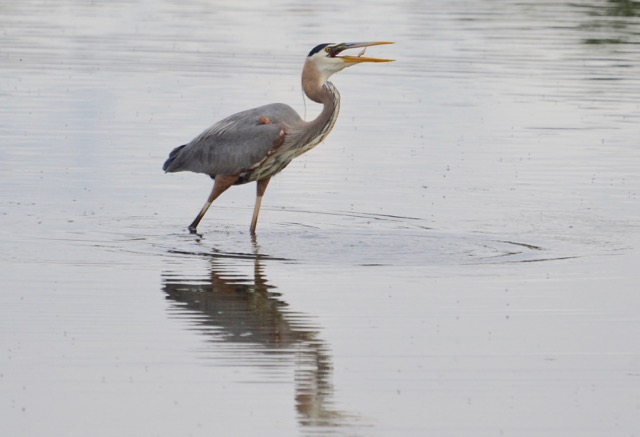
And of course, who can beat the free meals while they’re staying here. That’s why they keep coming back, look at this Great Blue Heron helping himself to the buffet:

Buffet meal


Is that a big fish that Mrs. Pelican just gulped in?

Pelican.jpg

And finally, I’ve waited for them for so long, the Yellow Warblers. I know they like their stay. Just listen to their calls as they share on their social platform:

Yellow Warbler

Well, if you’ve got food in your mouth, you can’t call back. No instant messaging here at the buffet table:

No msg

More from my Air Guestbook next time.

***

Saturday Snapshot is hosted by West Metro Mommy Reads. CLICK HERE to see what others have posted.


Saturday Snapshot August 22: Summer Still

It snowed yesterday. I waited, but it didn’t change, unlike what they say about our weather that if you don’t like it, just wait 5 mins.

But it was only August 21st, summer still. However, I get the message that nature sends so clearly… nothing gold can stay.

Before it fully disappears, here are some photos showing our summer lingering still.

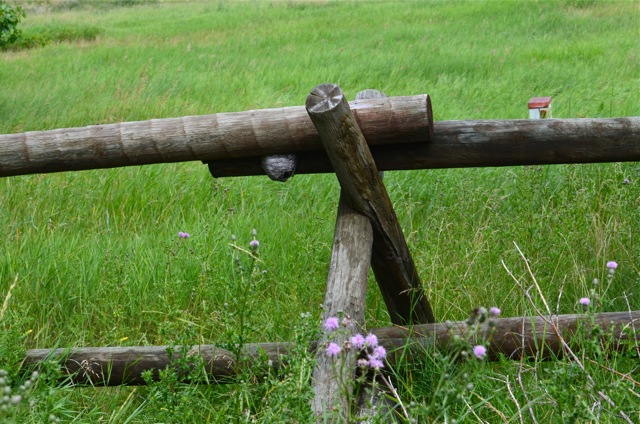
Wooden Fence

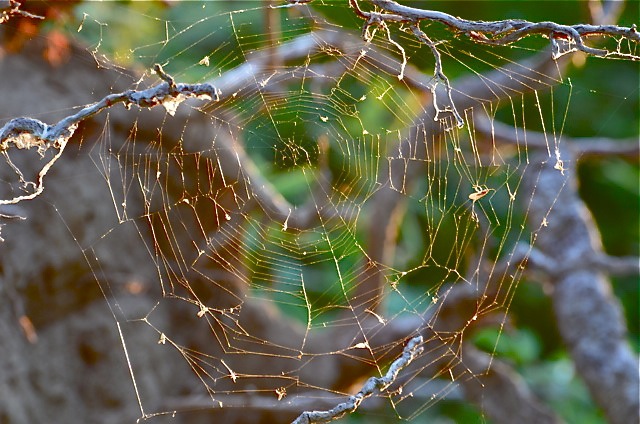
Moss

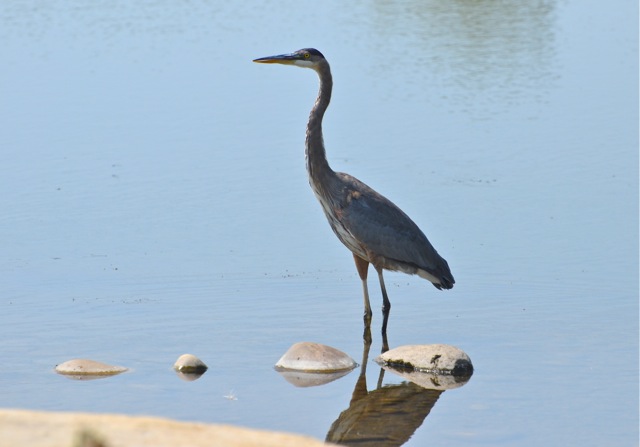
At the pond, the Great Blue Heron and Yellowlegs bask in the summer sun.

Great Blue Heron

Yellowlegs

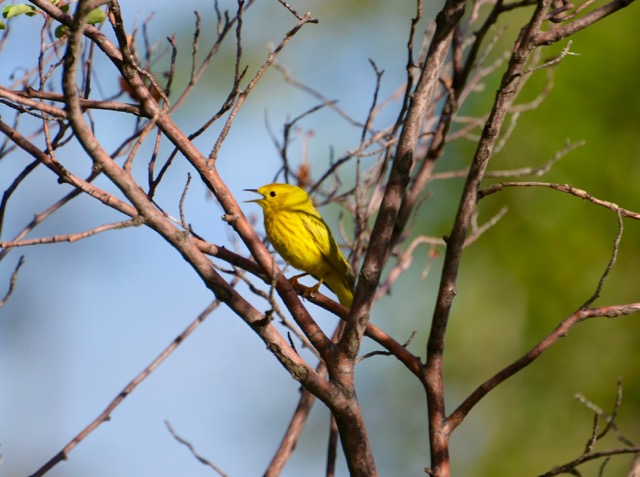
Glad to see the songbirds are still here. They know best when to fly south. Apparently not yet. Saw this Least Flycatcher a couple of days ago. Mutually curious:

Least Flycatcher

And this young Yellow Warbler… Hang around a bit longer, li’l guy, a much warmer week ahead is in the forecast.

Young Warbler

But of course, I can’t help but see the ripening berries and the seeded dandelions:

Ripening berries


Dandelions


Just a while longer… it’s summer still.


(P.S. It’s gorgeous today. Going out to see my avian friends. More next week.)


***

ALL PHOTOS TAKEN BY ARTI OF RIPPLE EFFECTS

DO NOT COPY OR REBLOG

***

Saturday Snapshot is hosted by West Metro Mommy Reads. CLICK HERE to see what other have posted.


Saturday Snapshot August 1: A Summer Wood

Colours growing wild.

Fields of wildflowers

I can easily imagine a lavender field in Provence.

I can imagine lavendar

Ripening Saskatoon berries, food for everyone.

Ripening Saskatoon Berries

The tiny Yellow Warbler never ceases to fascinate me.

The Yellow Warbler

… here practising her trapeze skill.

Yellow Warbler 2

Or the American Goldfinch… common for the Americans, but always a golden moment for me when I capture one in picture.

American Goldfinch 2

Am Goldfinch 2

A delight even just to see the common Robin basking in the the setting sun, redder than ever.

Robin red breast indeed in the eveing light

The ordinary in a different frame.

Cobweb in Early Evening
Common sight, common light, common grace.


***

Saturday Snapshot is hosted by West Metro Mommy Reads. CLICK HERE to see what others have posted.

***

ALL PHOTOS TAKEN BY ARTI OF RIPPLE EFFECTS

DO NOT COPY OR REBLOG


Saturday Snapshot June 27: The Busy Beaver

It is on the face of our 5-cent coin, an emblem of Canada. And thanks to conservation and the lack of demand in the pelt hat, the Beaver – at one time endangered – is now safe in numbers.

the nickel

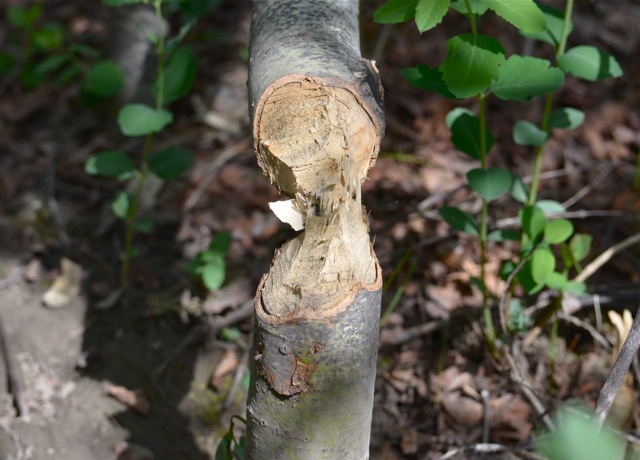
However, we seldom see one, definitely not an everyday sighting. As for me, I’ve never seen one on land like the image on the coin, busy with its chore. But they are around; surely we can see the aftermath they leave behind. Here are evidences of their presence:

Work of a Beaver's

Beaver's aftermath

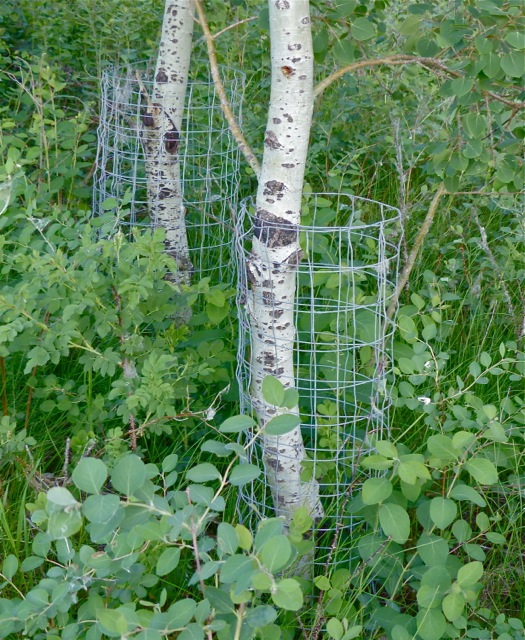
That’s why we have these:

Wired protections

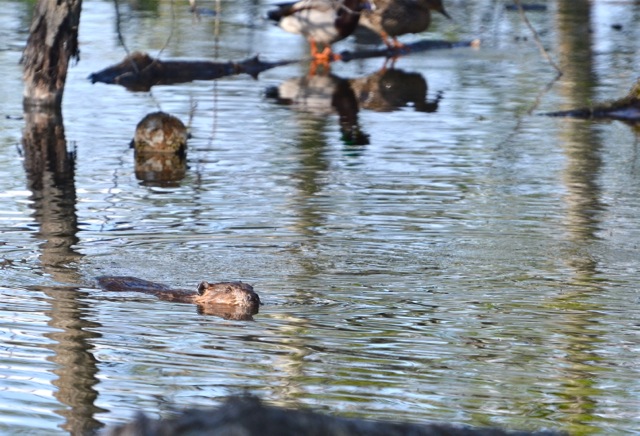
I’ve had the chance of seeing a beaver recently at a pond, taking a break from its busy schedule:

The Pond


Beaver in the pond

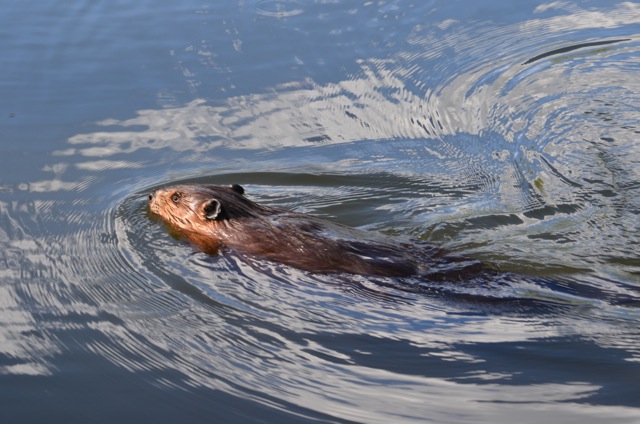
Sure looks like a bear is swimming towards you:

Beaver 3

Beaver 1

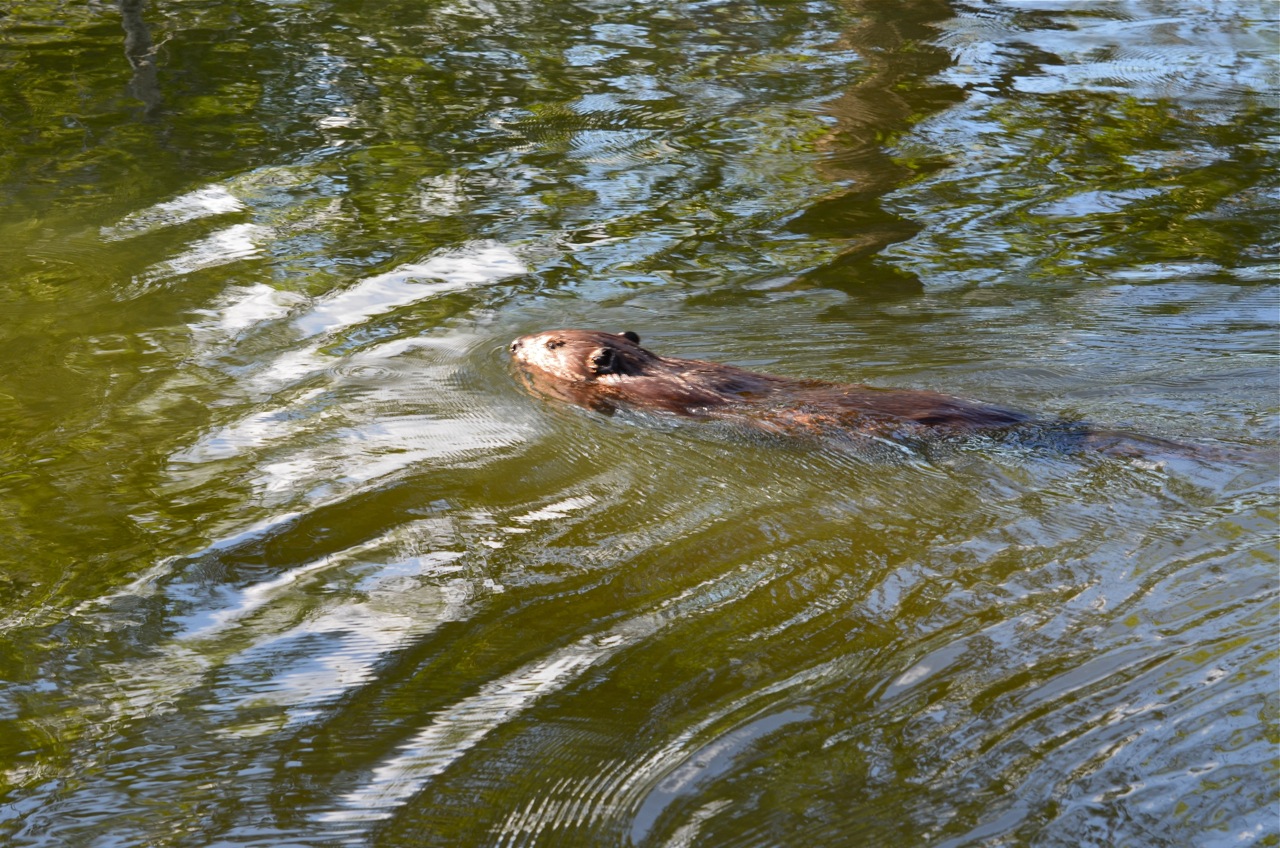
A closer look and you can see its long and robust body:

Beaver

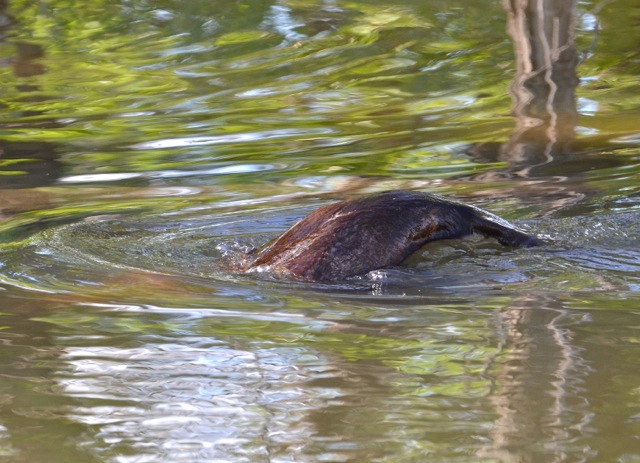
yet agile, diving in and speeds away underwater:

Diving

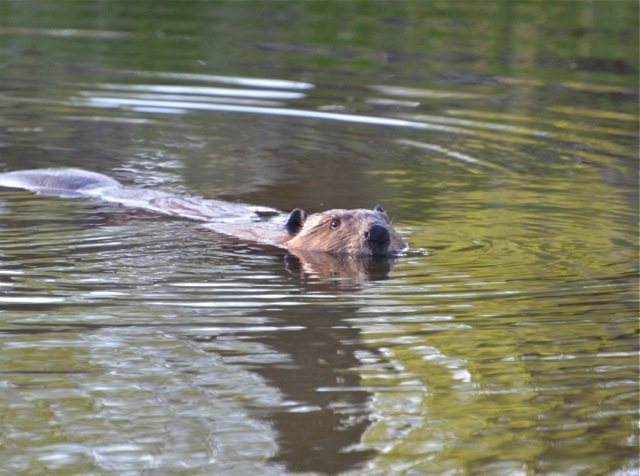
But what I find interesting are the ripples it makes. Look back at the above photos and below:

The Beaver Close-up


More Ripples


Ripples 3


Ripples
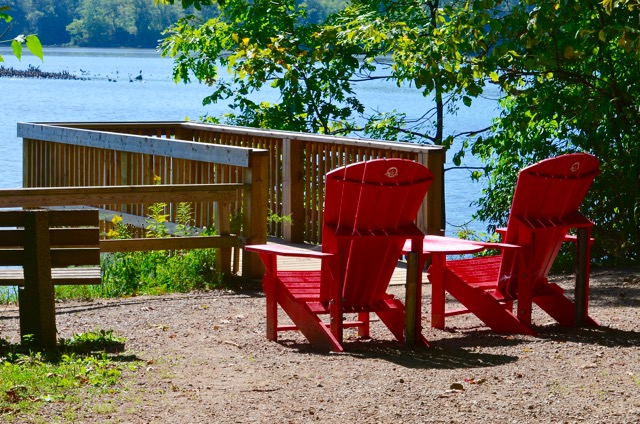
Or is it just me, watching out for ripples everywhere?
((( *** )))

Saturday Snapshot is hosted by West Metro Mommy Reads. CLICK HERE to see what others have posted.

ALL PHOTOS TAKEN BY ARTI OF RIPPLE EFFECTS

DO NOT COPY OR REBLOG

***

Saturday Snapshot March 21: Welcome Back

We don’t have to wait for the official date. We’ve been enjoying unusually warm weather in the past few weeks. Creatures great and small come out to greet the early Spring; actually, many of them are here throughout the winter. The warm temperatures bring one creature out in particular, the birder.
Good to hear the Cedar Waxwings among the budding branches. Yes, I always hear their convivial buzz before seeing them:

cedar waxwings

Waxwing

The White-tailed deer, here all year round, but seldom do I see such a large party:

deer

The curious red squirrel loves company:

Red Squirrel

I think I saw both the pinkish Common and the white Hoary Redpoll, sent here by Spring and instinct:

Redpoll

Redpoll Hoary?

I’m always amazed to see our Great Horned Owl Mama and Papa coming back to the same spot to nest every Spring for the past few years. Every time, Mama will give birth to two Owlets in exactly the same hollow tree trunk.

Owl's Nest

Once they are fledged, the family will move on. Homing instinct will bring Mama and Papa back the next Spring. Where do the young ones go? Nobody knows.

Can you see Papa Owl in the trees?

Where's Papa Owl

Right in the middle. Here he is, eyes wide shut:

Papa Great Horned Owl

***

Saturday Snapshot is hosted by West Metro Mommy Reads. CLICK HERE to see what others have posted.

ALL PHOTOS TAKEN BY ARTI OF RIPPLE EFFECTS

DO NOT COPY OR REBLOG