Vermeer in Vancouver: Noticing the Obvious

For more Vermeer, Click Here to go to my post “Inspired By Vermeer”.

Vancouver Art Gallery’s premier summer kick-off is the impressive exhibition: Vermeer, Rembrandt and the Golden Age of Dutch Art. The exclusive show of masterpieces from Amsterdam’s renowned Rijksmuseum includes paintings, drawings, and decorative arts from 17th century Holland. After five hours at the Gallery, I left hungry for more Vermeer. Overall it was gratifying, but I was expecting just a few more glimpses of the great master.

Of all the 128 pieces of art work, there’s just one Vermeer painting. Placed at the end of the exhibit, apparently the highlight and climax of the show, is Vermeer’s Love Letter (1669). From his signature point of view, peeking through a partial opening of pulled-back curtain, we look into another room and see a maid just handed her mistress a letter. By the exchange of their glances, it seems they’re sharing a secret understanding. This is another one of Vermeer’s works that’s full of potential stories and rich in subtexts. Actually anyone of them is a novel to be written, not less dramatic as Girl With A Pearl Earring.

Vermeer's The Love Letter

Love Letter by Vermeer (1669-70)

~~

17th century Holland was a new Republic that had just gained independence from Spanish rule. The beginning of the exhibits sets the stage depicting a young nation with great maritime power. Domestically, it was a country marked by a vibrant economy and a rising middle class, as well as the flowering of arts and science, architecture and urban planning.

In the midst of such affluence and fresh hope, some of the artists spoke with their brushes as prophets of their time. Among paintings of naval glory and conquests, as well as glimpses of domestic life of the rich, there are also the quiet displays of still life. I must have seen them before. Why have I not noticed their significance previously?

They are paintings of withered blossoms, burnt out candles, hourglasses, books and musical instruments, and most prominently, skulls, eerie arrays of them, decaying bones and teeth. Why all these objects? The audio commentary confirms that they are Vanitas still life, the term rooted in Ecclesiastes, “Vanity of vanities.” And obviously, they are symbols of the fleeting nature of life, the callous passage of time, the transience of knowledge and human achievements:

Pieter Claesz Vanitas Still Life

Pieter Claesz: Vanitas Still Life (1628)

~

Skulls on a Table

Aelbert Jansz van der Schoor: Skulls on a Table (1660)

~

On the piece of writing crumpled up is one last word, Finis, The End:
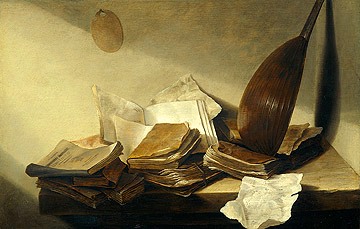
Still Life with Books Jan de Heem

Jan Davidsz de Heem, Still Life with Books (1625-29)

It’s commendable that the rich and powerful were willing to be reminded thus, considering these were once paintings adorning the walls of their affluent homes, a nagging presence they could not ignore. And they must have paid to have them painted.

~~

One of my favorites in the exhibition is Nicolaes Maes’ Old Woman in Prayer. Maes, a student of Rembrandt, had captured the simple piety of the old woman of lowly means: her earnest concentration, wrinkled face and hardened hands, the earthen wares and simple meal, and above all, her meager possessions on the ledge, an open Bible, a lamp, an hourglass and a prayer book. The warm light on her face almost makes her look divine. Maes did not forget to include a comic relief, her cat at the lower right bottom must have known what’s for dinner:

Nicolaes Maes Old Woman in Prayer

Nicolaes Maes: Old Woman in Prayer (1650-60)

~~

Sources: Skulls on a Table from Vancouver Sun. All other paintings in this post: Rijkmuseum, Amsterdam.
Beauty and Truth

Unlike my previous trips out here, this time in Vancouver is a learning experience. I’m spending two weeks at Regent College on the UBC campus to learn the language of faith and film. The art and architecture of Regent set the inspiring milieu for exploring beauty and truth. Here are a few vignettes:

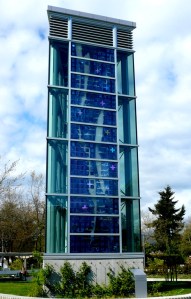
The True North Wind Tower and Lux Nova Art Glass:

Installed in 2007, the tower stands as a symbol of integration. Its highest point is designed to be in line with the North Star, the beacon of direction through the ages. The structure brings together the seemingly polarized ends of science and art, and accentuates faith in all aspects of life. CLICK HERE to read more about this 40 foot tall distinguished landmark.

Architect Clive Grout designed the self-sustaining, energy efficient True North Wind Tower as a natural ventilation system for the library built underneath it. Artist Sarah Hall incorporated solar cells into a cascade of glass work. They store energy during the day to illuminate a colored, celestial waterfall at night. This is the first installation of solar energy and art glass fusion in North America.

Embellishing this graceful design are twelve dichroic glass crosses, weaving through an inscription of the Lord’s Prayer in Aramaic, the spoken language in Jesus’ time. What a magnificent alchemy of art, architecture, faith and science. Just two weeks ago, on April 29th, this beautiful architecture won the prestigious Design Merit Award for Sacred Landscapes from the American Institute of Architects (AIA) in San Francisco. CLICK HERE to read more about this Award.

Regent Wind Tower

A closer look at the art glass:

Lux Nova Art Glass Close Up 2

For the magnificent night view, CLICK HERE to go to Regent’s site.

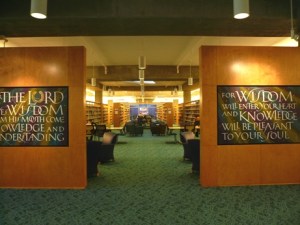
As for the theology library built underneath the tower, it’s another beauty:

Regent Library

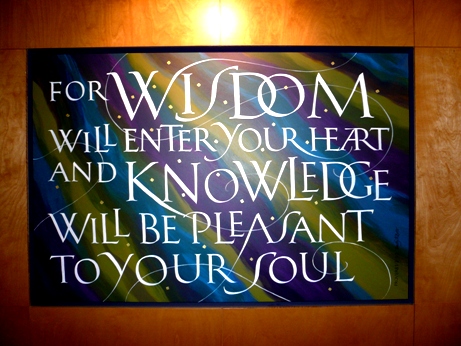
Wisdom

A stone-throw away from the Wind Tower is this serene setting:

Garden Bench

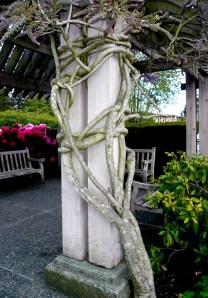
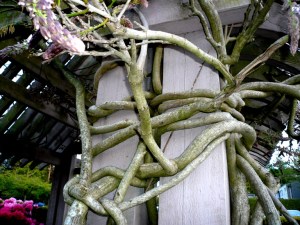
Even the wisteria speak to the intertwining togetherness of Beauty and Truth:

Intertwining Westeria Stems 4

Intertwining Westeria Stems 2

***

Original Photos and Text by Arti of Ripple Effects. ALL RIGHTS RESERVED, May, 2009. If you see them on a site that is not Ripple Effects, then they are copied without permission. CLICK HERE to go to the original post https://rippleeffects.wordpress.com

Vancouver Journal

Arti is blogging from Vancouver these two weeks. Here are some initial sights from yesterday’s roaming.

Rhododendrons everywhere:

Rhododendron everywhere

Rhododendron in bloom

Views from Spanish Bank:

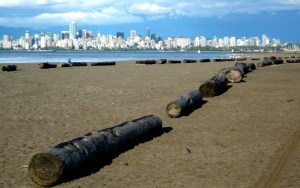
Vancouver Skyline

Vancouver skyline from Spanish Bay

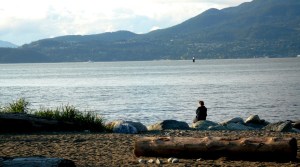
Solitary Moment

Solitude at Spanish Bay

Woodpecker hard at work and play

Woodpecker at work and play

Despite the temperamental weather, Arti will be soaking in all the views, making best use of her solitary moments to peck away … oh, who cares whether it’s for work or play. The woodpecker knows there’s no boundary separating the two.

ORIGINAL PHOTOS AND TEXT BY ARTI OF RIPPLE EFFECTS. ALL RIGHTS RESERVED. MAY, 2009.

IF YOU SEE THIS ON A SITE OTHER THAN RIPPLE EFFECTS, YOU’RE SEEING A POST THAT’S BEEN COPIED WITHOUT PERMISSION. CLICK HERE TO GO TO THE ORIGINAL SITE https://rippleeffects.wordpress.com

Stream of Easter Consciousness

stained-glass-2a2So students are sent back to school this week, just in time for Easter.  Nobody wants to have a holiday right on Easter week, especially the public school board.  That’s how you survive,  by being politically correct.  And the last two weeks’ holiday is called Spring Break of course.   Easter has almost become a banned word, like Christmas.  Who wants to be rude and offend others, we’re Canadians after all.

I know,  it’s not totally a taboo yet.  It’s a much tamer word, Easter, than Christmas, just because it doesn’t have the six-lettered word in it.  You can curse with that name, but no, God forbid you should say it in a proper context.   I can see you sneer, what’s a proper context, you ask.  You’re right of course, no word or context is more proper than others, we’re egalitarians after all.  As for Easter, as long as it’s synonymous with eggs and bunnies, pastels and flowers then it’ll never die.  Who needs resurrections?

All Fridays are good.  They even have a whole restaurant chain commemorating the day.  What’s it called… yes,  T.G.I. Friday’s.  Who says we’re not religious, we thank God for happy hours.  We’re much more open-minded now,  more civilized, equal and fair, don’t want to pick one day to be better than the others.  But definitely we won’t forget Ramadan, or the Chinese New Year.

There’s probably no God,  so stop worrying and enjoy your life, the sign on the bus says.  So we’re safe?   Whew!  No God means we can now be happy, worry free, all life, no death, …  Umm just let me figure this one out.  Give me a minute, I’m just not as smart as them.

Jesus wept.  He wept at the graveside of Lazarus, brother of his dear friends Martha and Mary.  He wept at the fragility of life.  He wept at the searing pain of separation.  He wept at the hopeless and uncomprehending expression on Mary’s face, even after he said to her I am the resurrection and the life.

Fleming Rutledge said more than ten years ago:  “I am deeply convicted, more so each year, of the profound sinfulness of the human race.  Yet because of the Cross and Resurrection of Jesus Christ — because of that and nothing else, because of that and nothing less — I am also convicted of the truth of what the Bible tells us about God’s plan of salvation.  The rainbow bridge does not lead to Valhalla, where the gods quarrel so much that they destroy themselves.  The rainbow bridge leads to the Cross and to the empty tomb on Easter Day.”

Utterly politically incorrect!  Who uses the word sin anymore?  Who’s Fleming Rutledge, anyway.  Never heard of him.  No?  It’s a she?  No wonder.

Now these words echo loud and clear too, written by T. S. Eliot in… what, 1934?  Aren’t they a bit archaic now?  Or, maybe they’re really prophetic:

Where is the Life we have lost in living?
Where is the wisdom we have lost in knowledge?

Where is the knowledge we have lost in information?

The cycles of Heaven in twenty centuries

Bring us farther from God and nearer to the Dust.

We should go on living, be happy and worry-free, the sign on the bus says.

So we go on living…

and Jesus still weeps.

stained-glass-41

*****

Original photos and text copyright by Ripple Effects, https://rippleeffects.wordpress.com, April 2009.  All Rights Reserved.

Fall on the B.C. Coast

Took a short trip out to the west coast last week. These pictures were all taken on October 30 in Victoria and Vancouver, still lush and colorful.

Fall’s foliage by the sea, composing nature’s own collage:

natures-collage-webpage

Or, was it Jackson Pollock leaving his mark?

jackson-pollack-on-the-coastal-shore-webpage

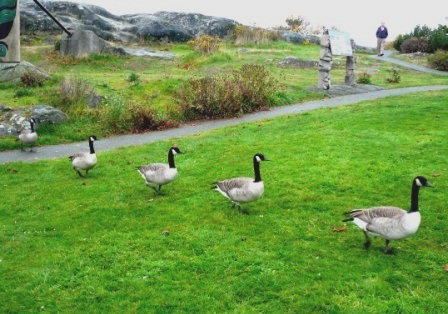
There must be some lessons for us to learn from theses Canadian geese, in organization and leadership… and integrity too: They walk as they fly.

walk-as-they-fly-webpage1

*****

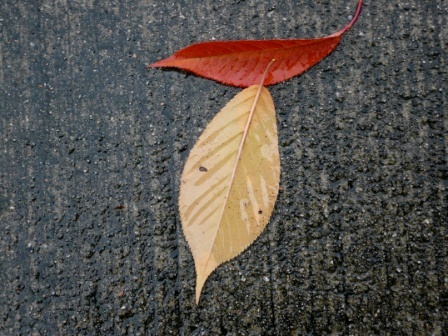
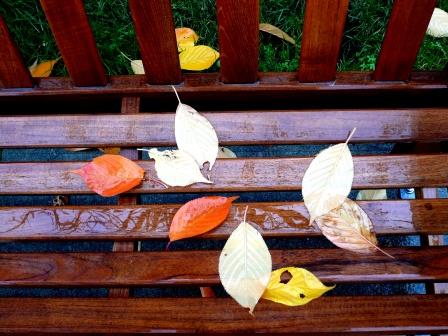
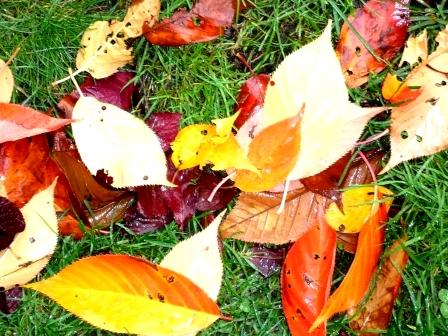
And in Vancouver, the beauty of fall’s foliage is best seen where they are, fallen, on the pavement, in the gutter, on the bench.

leaves-on-pavement-webpage1

fallen-leaves-on-bench-webpage

leaves-in-gutter-webpage

leaves-on-grass-webpage1

Came back home a few days ago, just in time to greet the first snow of the season. What a difference an hour’s plane ride can make!

All photos above taken by Arti of Ripple Effects https://rippleeffects.wordpress.com, October 2008. ALL RIGHTS RESERVED. DO NOT COPY.

Fall Fantasy

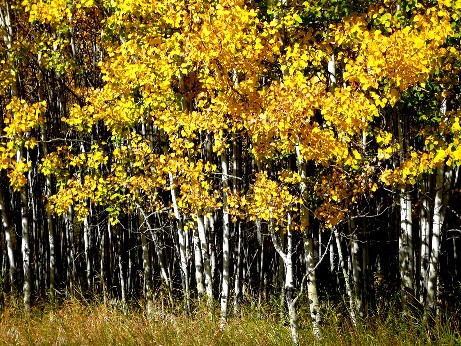
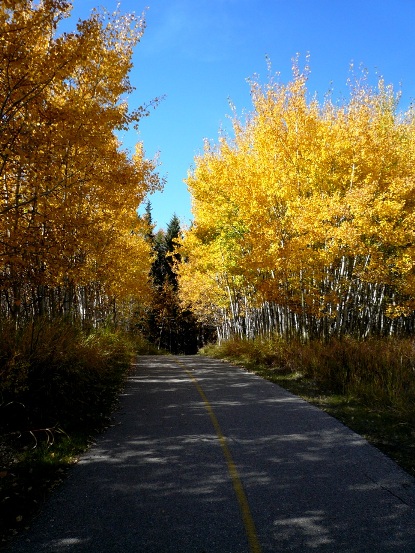
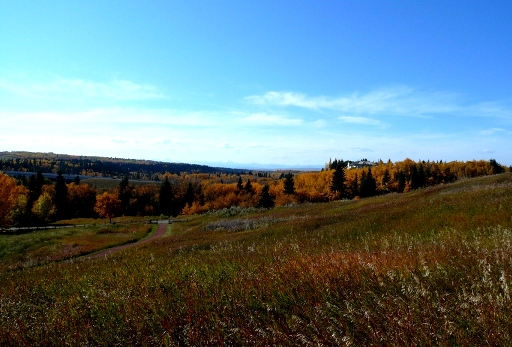
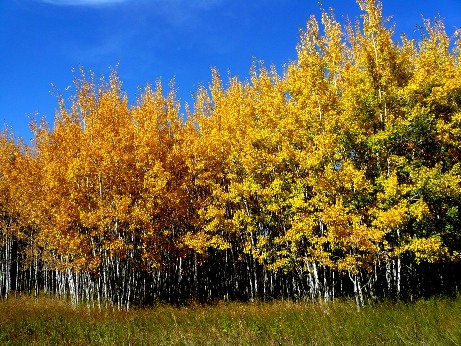
Thanks Ellen of The Happy Wonderer for the link to the Round Robin Photo Challenge’s current theme: The End of Summer.  Here are the scenes of the onset of fall in southern Alberta.  This is the time where we see golden colours and enjoy fresh and crisp autumn air.

The weather has been just wonderful this past week.  Getting 26° C (79° F) in October is a rare treat for us here.  To capture fall in its glorious form, I was planning to drive 90 minutes to Banff National Park yesterday.  But just a stone throw away from my home, I saw these views, beauty so close by that I’ve been oblivious to … Banff can wait.  Let me spend some time in my own backyard.  I know it won’t last.

Photos taken by Arti of Ripple Effects https://rippleeffects.wordpress.com

October 2008.  ALL RIGHTS RESERVED.  DO NOT COPY.

Ottawa: The Calm before the Storm

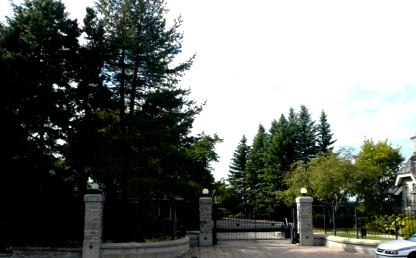
I was in Ottawa two days before our PM Stephen Harper went over to the GG house Rideau Hall to announce that he was dissolving Parliament and that we’d be heading to the polls October 14. Everything looked calm and quiet outside 24 Sussex Drive, the Harper residence:


As a Westerner, this is only my second visit to our nation’s capital, all due to the fact that our son is attending university in Ontario. So, this is our second year sending him off. After 30 some years in Canada, I’ve been hiding out in the West until now. Is this indicative of western alienation? Umm… Hard to say, but the truth is, I’d been to Washington, D.C. even before I set foot in Ottawa. All you Ontario folks, I know what’s on your mind: From the West, eh?

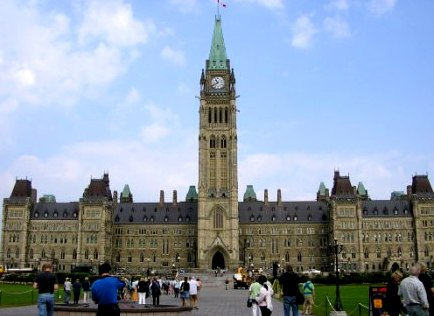
No matter, I’m just as proud and impressed now that I’ve seen the Parliament buildings and other honourable establishments of our nation. Here are some of them.

The Parliament Building:

The Parliament and the Library from The Ottawa River:


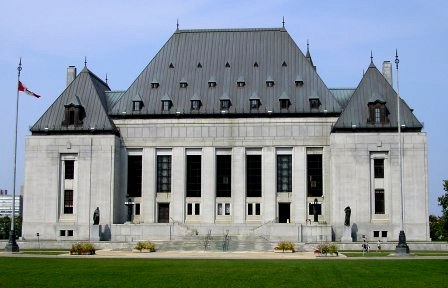
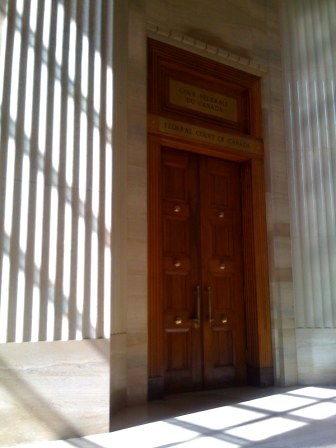
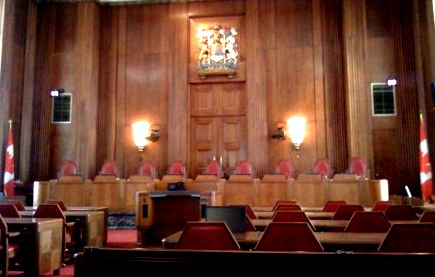
And for someone whose only contact with the court of law is from watching Boston Legal, actually setting foot in The Supreme Court of Canada is truly an awesome experience:


Other landmarks: Chateau Laurier


Notre-Dame Basilica


The Museum of Civilization


              Au revoir Ottawa … Now, let the Games begin.


                                                              *******

All pictures taken by Arti of Ripple Effects https://rippleeffects.wordpress.com

All Rights Reserved, 2008.  Do Not Copy.

Glenn Gould: The Russian Journey (2002, TV)

 For two months, I had to stay away from home while my house underwent a major renovation.  After sequestered from TV watching for the whole summer, that was one of the first things I delved into as soon as I moved back last week.  A couple of days ago, in between re-runs of Olympics events, I was most gratified to watch this CBC/National Film Board documentary.  What a breath of fresh air and what an invigorating luxury I have been deprived of all summer!  Only on CBC.

The legendary Canadian pianist Glenn Gould (1932 – 1982) visited the Soviet Union in 1957, at the age of 24, the first concert pianist from North America to be extended and accepted an invitation to play behind the Iron Curtain.  Stalin died just four years ago.  The Cold War was at its climax.  Very few had heard of a Canadian pianist named Glenn Gould, what more, very few had heard Bach since the composer was banned by the totalitarian regime for the religiosity of his work. 

This 56 minutes documentary, which won the Grand Prize of the 2003 Montreal International Festival of Films on Art, is packed with valuable archival footage of the actual Gould concerts, meditative shots of the lone pianist against the grand Russian architectural backdrop, as well as some of Gould’s own reminiscence of the historic journey. Interspersed are interviews with significant personalities within the Soviet arts and music circles, sharing their life-changing Gould experiences.  Among them are prominent musicians such as the renowned pianist and conductor Vladimir Ashkenazy, and dissident cellist Mstislav Rostropovich, who sheltered the writer Solzhenitsyn and resulted in the Soviet government banning his performances.

Tatiana Selikman, a pianist and teacher at the Russian Academy of Music, recalls the day of Gould’s first concert in May, 1957.  She saw the poster and was curious about a pianist from Canada, playing The Art of the Fugue, which nobody ever played in Communist Soviet Union.  The Grand Hall of the Moscow Conservatory was sparsely seated.  Then the pale faced pianist came on stage, sat on a low chair, and unleashed a magical performance that mesmerized his small audience.  During the intermission, those in the concert hall dashed out to phone their friends, urging them to come right away.  As the concert resumed for the second half, the hall was packed to overflow.

And the rest is history…

What Gould brought to the Russian audience was not just Bach, or the intricacies of the Fugue, or the beguiling Goldberg Variations, but a new perspective.  Gould’s performance embodied the liberating effect of music, the freedom of artistic expression and the bold exhibition of individualism.  The audience was emancipated to a new found freedom that was not sanctioned under totalitarian rule.  Using the words of some of the musicians interviewed in the film, the Berlin Wall of music came down, warming the Cold War by a few degrees. For the first time, they were applauding something that was not Soviet.  And they were exhilarated.

The recent passing of the Russian dissident writer Alexander Solzhenitsyn, and the events taking place in Georgia, or even the Olympics, have whirled up sentiments in me that I thought was long gone… the pathos of hearing the muffled cries of the oppressed, be it political, social, or artistic. 

There are those who are indignant about the Canadian government subsidizing the Glenn Gould trip, arguing it was a waste of taxpayers’ money.  If a lone pianist can inspire the masses, and if music can soften the hearts of man, enhance international goodwill, and reiterate the ideals of humanity, I am all for it.  Would it not cost more to send hundreds of thousands of soldiers to the front line?

 ~ ~ ~ ½ Ripples

The documentary has been posted on YouTube in six parts.  Here is the beginning.  However, nothing compares to the big screen especially with Glenn Gould playing Bach:


                                                                              *****

Sketches of Frank Gehry (2005) DVD


“You can look anywhere and find inspiration.”

—- Frank Gehry

The past couple of months I’ve been tied down with previewing films for an upcoming International Film Festival that I haven’t time to watch films of my own choosing.  The past weekend I decided to cease the dry spell and watched the DVD I’ve purchased for a long while but haven’t the chance to view.  My only regret: Why did I wait so long?

This is a documentary about and made by two of my favorite artists:  Architect Frank Gehry and film director Sydney Pollack (Best Director 1985, Out of Africa), whom I sadly miss upon his untimely passing on May 26.  (To read my tribute to Sydney Pollack, click here.) Pollack worked on this film, his first documentary, over weekends
for about five years.  An official selection at the 2006 Cannes Film Festival, Sketches of Frank Gehry is his last directorial work.

Pollack has taken a simple and casual approach to present his long time friend Frank Gehry to the viewer, and that’s what impresses me.  The low-key yet artistic design of the film is a modest portrait of the architect whose body of work is often associated with rule-defying, bold and striking structures around the world.

Born 1929 in Toronto, Canada, Gehry moved to the United States with his family in 1947. His career spans four decades, establishing himself with renowned projects such as the Guggenheim Museum, Bilbao, Spain (1997), the Vitra Design Museum, Germany (1989), and more recently the Walt Disney Concert Hall, L.A. (2004). The personal and unpretentious portrayal of the architect brings out the mild and human side behind these massive physical structures.

Through informal dialogues, the filmmaker effectively captured the essence of artistic pursuit: the self-doubt during the creative process, the incubation and collaboration of ideas, the uncertainty of the soundness and appeal, and the ultimate exhilaration of the successful completion and reception of the work. Interestingly, the film works like a double-edged sword.  It explores the creative process of both the subject and the filmmaker.  And it is such revelation that makes the documentary so appealing.

In the beginning was the void:

Sydney:  Is starting hard?

Frank:  You know it is… I’m always scared that I’m not gonna know what to do.  It’s a terrifying moment.  And then when I start, I’m always amazed, “Oh, that wasn’t so bad.”

The veteran director had his uncertainties as well:

Sydney:  Several people approached him with the idea of making a documentary about him.  And when he asked me if I’d do it, I thought he was crazy.  Not just that I didn’t know anything about making documentaries, I don’t know anything about architecture.

“That’s why you’re perfect,” he said.

Maybe all our training and experience that we hang on to so dearly are impediments to a fresh, new perspective.

The film gives us the insider view of the Gehry creative process.  It is a collaborative effort involving inputs from design partners mulling over paper models and computer expertise transferring concepts to 3D digital mode. Despite the elaborate and sometimes long incubation period, every piece of work begins with the architect’s own signature squiggles on a blank piece of paper.

We see Pollack using a hand-held digital camera to capture more agile and personal shots. As the title suggests, the filmmaker interviewed and chatted with various artists, architects, critic, and even Gehry’s therapist to gain different perspectives into the heart and mind of the architect.  He was able to elicit some insightful comments.

Writer and curator Mildred Friedman has this to say about Gehry:

He’s an architect who’s also an artist.  He takes so many risks.  And that’s what artists do.  Artists take risks to do something new that no one has seen before.

Gehry’s therapist Milton Wexler:

A great many people come to me hoping they can change themselves, settle their anxieties, their problems, their marriage or whatever…  When an artist comes to me, he wants to know how to change the world.

And from Pollack, when talking about the epic and mythical Guggenheim Museum, Bilbao, Spain:

He sees that the whole reason for being an artist is that moment in somebody’s eyes when you reach him.

The nay-sayer is represented by Hal Foster, Professor of Art and Archaeology, Princeton University, who criticizes Gehry of making a spectacle of his work.  We also see montage of printed words from the media, such as “ugly”, and even “perverse”.

Responding to criticisms about Gehry’s galleries and museums competing with the very exhibits they showcase, Julian Schnabel, artist and filmmaker (The Diving Bell and the Butterfly, 2007), defends Gehry’s design with this audacious sum up:

I feel very comfortable in his spaces.  He understands scale.  And if it does compete with the art, maybe that art isn’t good enough.

Such thought-provoking comments are just some ideas one can mull over long after the film.

I must also mention the original score composed by Sorman and Nystrom.  Like a soothing balm, it is pure delight looking at Gehry’s fluid designs with the equally flowing and meditative musical rendering.

The special features on the DVD include a bonus 35 minutes interview and audience Q & A with Sydney Pollack at the L. A. Premiere of the film.  The icing on the cake, this feature offers Pollack’s reminiscence of the production and more thoughts on the creative process.  A valuable DVD to keep for anyone interested in the artistic expression of the human mind.

~ ~ ~ ½ Ripples

A note on the photos:  Arti has the pleasure of visiting two of Frank Gehry’s work.  The above photos are taken by Arti in October 2007 and February, 2008. The first two are the Walt Disney Concert Hall in L.A.  The last two are different views of The Peter B. Lewis Building at Case Western Reserve University in Cleveland, Ohio.  All Rights Reserved.

The source for the squiggles image:  Maclean’s Magazine.

From a Country Garden

Finding Internet access has not been easy.  But I have to post these pictures.  The log home has been vacant for almost 10 months.  So when I found what were in the garden, I was pleasantly surprised.  With the temperature reaching 30C here in southern Alberta, and the amount of rain we’ve been getting in the last month, the garden has started to grow, albeit with all the unwanted weeds as well.

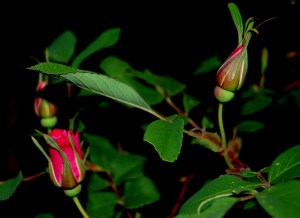
I can tell from the design and the variety, this country garden wrapping around the log home was once cultivated with much TLC.  Even among the thorns and thistles now, and without human maintenance, I can see beautiful flora, ferns, and bushes blooming in resilience.  Here are a few samples from this once glorious garden.  I also must admit my ignorance in naming some of them…although the Alberta wild rose I can readily recognize…No, that wasn’t the Alberta wild rose as one commenter corrected me. These must be some kind of cultivated garden roses.

All you green thumbs, nature lovers, bird watchers, and naturalists, please help me out here.  I’d appreciate if you’d identify these other beautiful flowers and creatures:

another view here:

These look like lilacs, but I’ve always seen purple, not white:

And these lovely ones with blue petals:

Forgot its name:

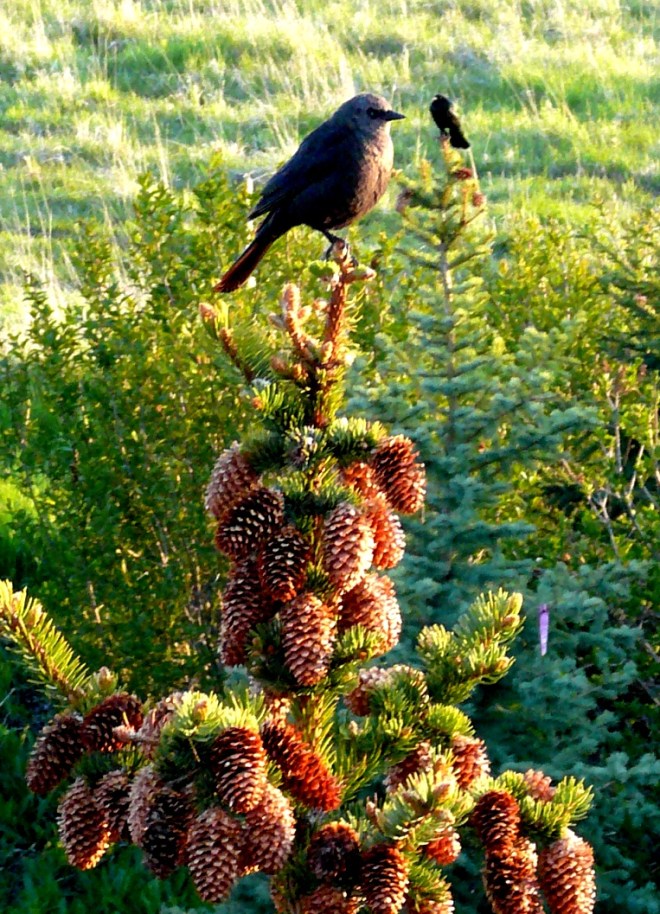
And this creature…with it’s black stripes on a brown body, and the buzzing sound it gave out, I thought I was photographing a wasp of some kind.  So after a few quick shots, I stepped out of its way.  But when I saw it on my computer, I was amazed it had such beautiful wings…is it just a moth?

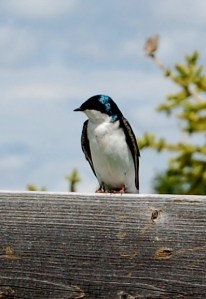
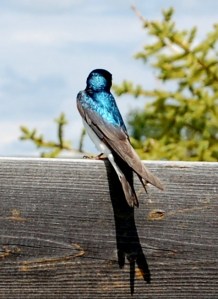
And this bird that gets so attached to the feeder on the fence…first the front view:

and the back:

Looking at the exuberance and beauty of life here in this derelict patch, I’m reminded of a precious quote:

Consider the ravens: They do not sow or reap, they have no storeroom or barn; yet God feeds them.  And how much more valuable you are than birds!

……….

Consider how the lilies grow.  They do not labor or spin.  Yet I tell you, not even Solomon in all his splendor was dressed like one of these.  If that is how God clothes the grass of the field, which is here today, and tomorrow is thrown into the fire, how much more will he clothe you, O you of little faith!

*****

Nature Photography

For some reasons, staying out here in the country, with all the quiet and almost static serenity, does not induce me to spend more time reading, or even on quiet meditations.  I’ve been so busy commuting, and if I’m around the log home, I’d be busy observing and appreciating the natural environs here, taking it all in by means of photography. 

I have been using mainly my pocket digital Panasonic camera, haven’t even had time to sit down to learn how to use the Nikon which I’ve also brought along.  For now, I’ll have to be satisfied with some snap shots…hopefully one of these days I’d be able to use a real camera, and a zoom lens, for more serious photography.  Here are some snap shots of my surroundings.

Good fences make good neighbors: 

The shack between the wires:

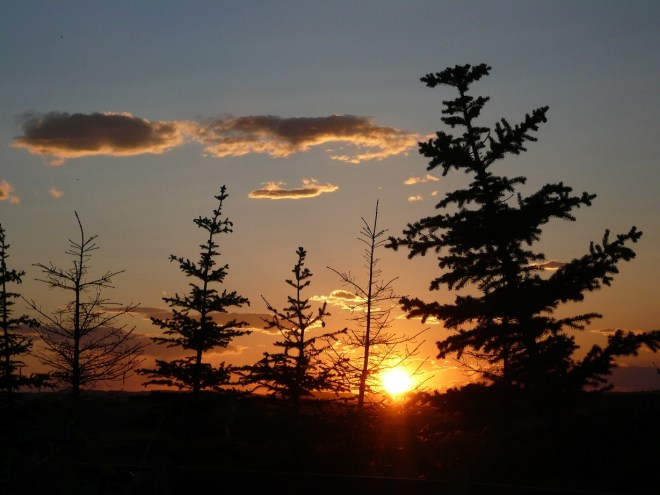
A country sunset:

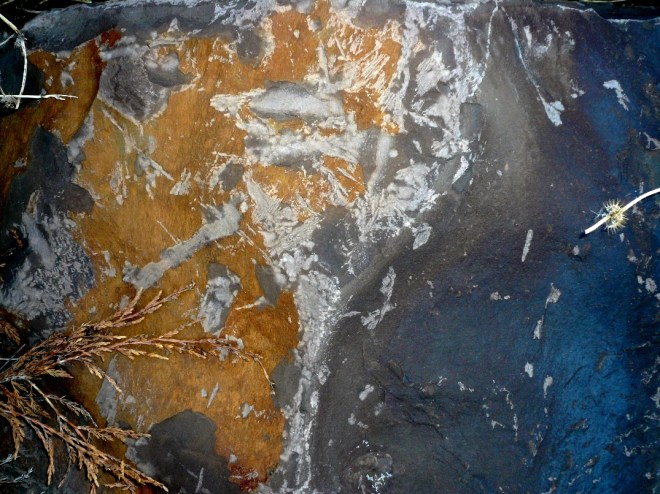
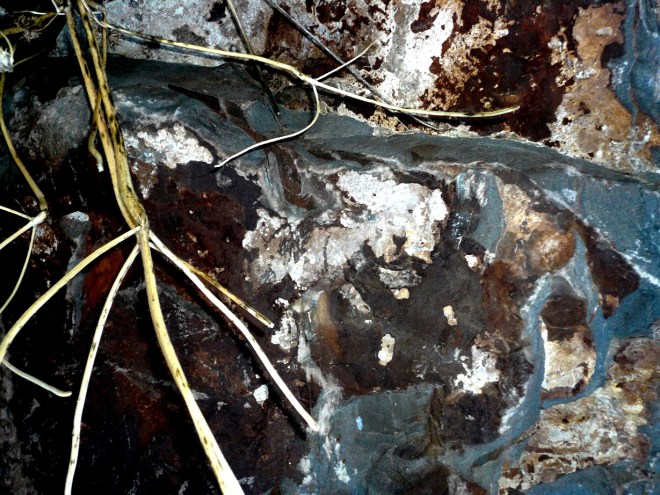
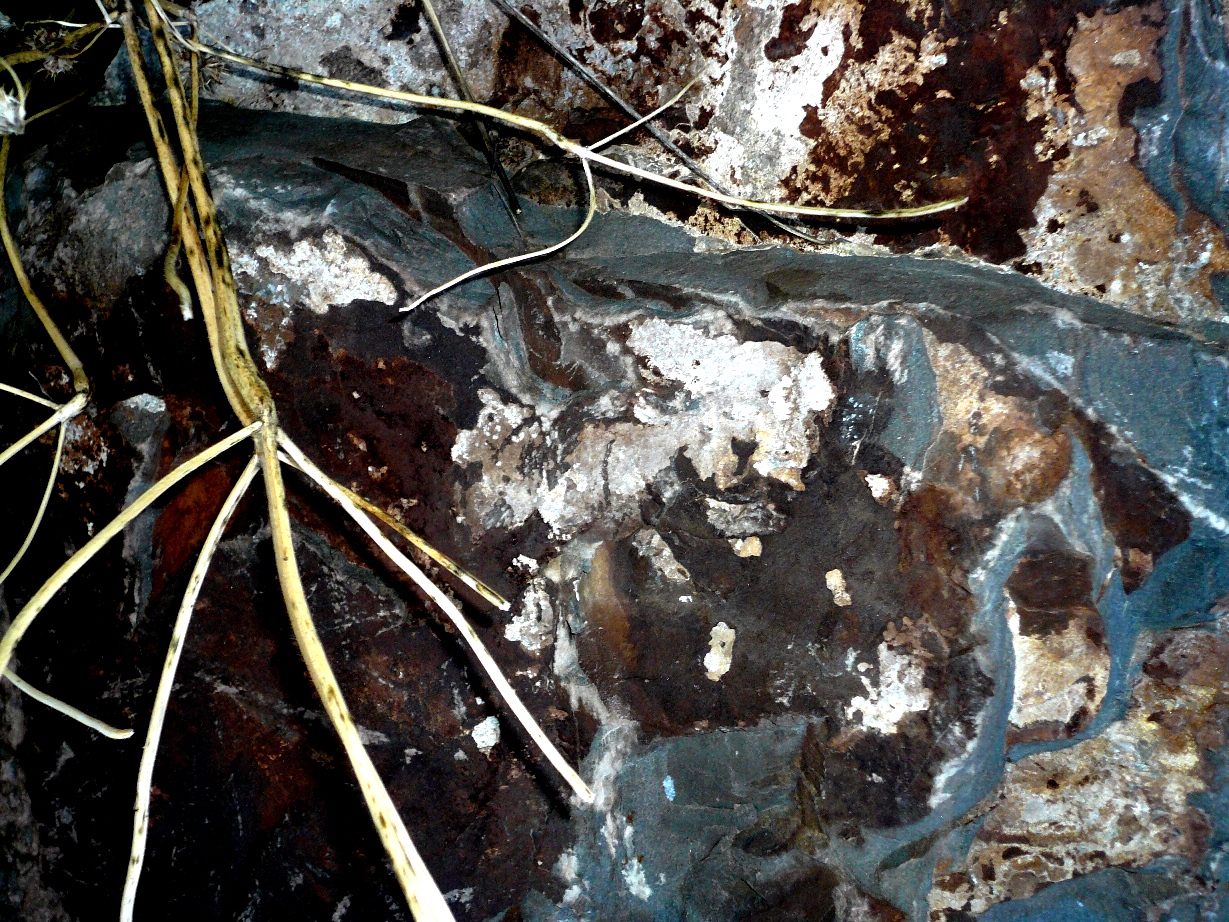
Rock samples:


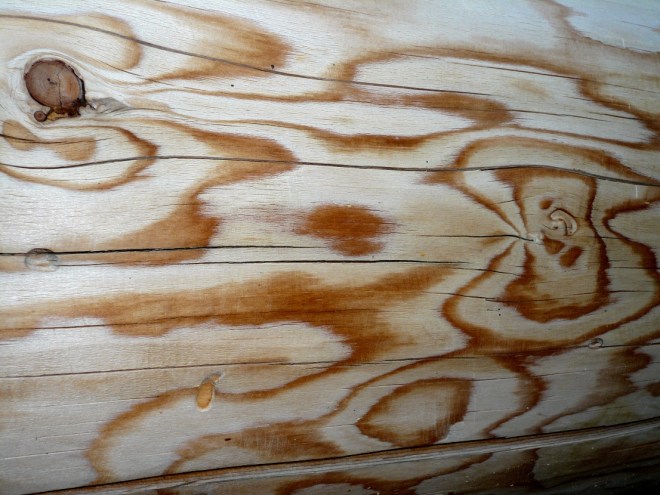
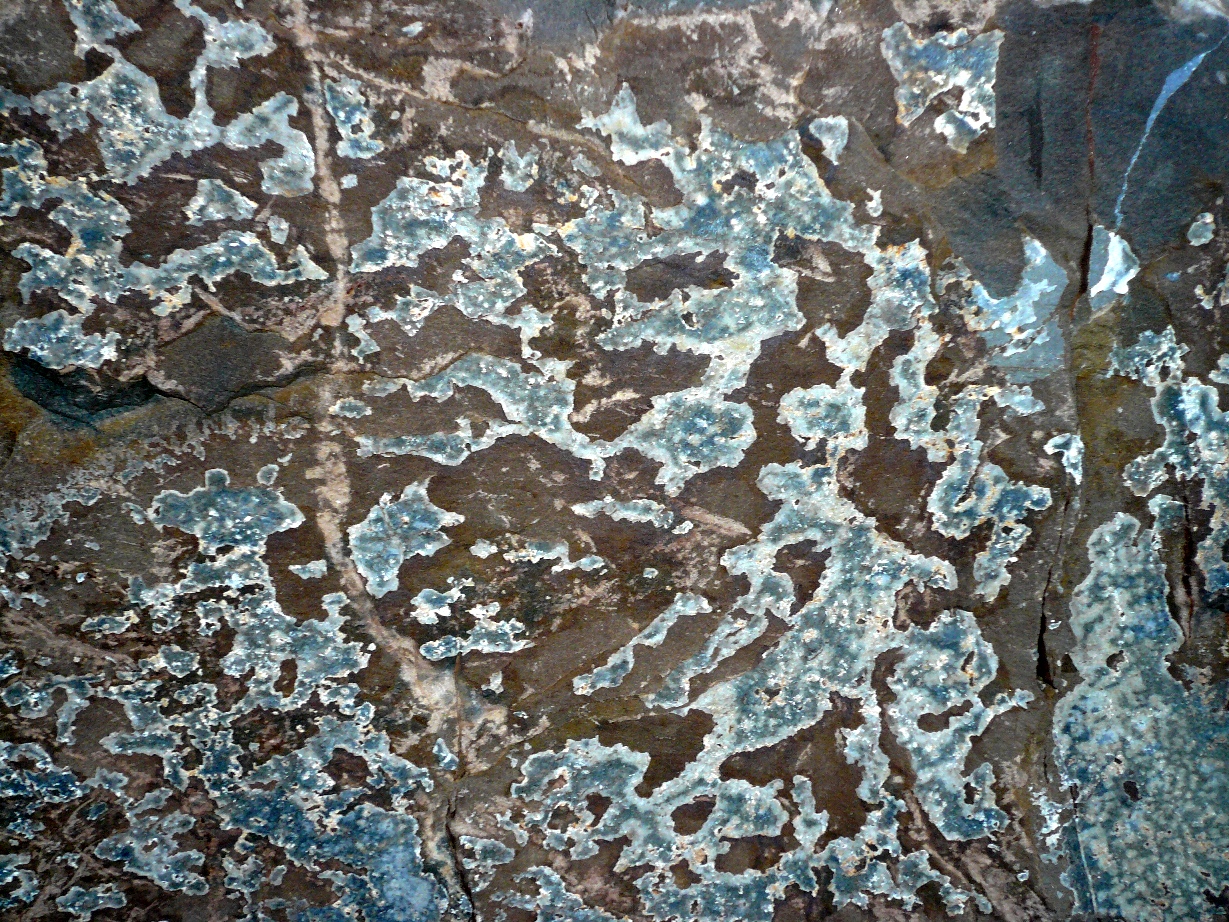
The building material:


Golden sunset:


What I have are images, but no words came.  The literary doesn’t come naturally to me I suppose.  With these sights and sounds, I hope the poetics would come sooner or later…


More pictures from my log home can be found in these posts:  From a Country Garden, and Summer Indulgence.

Summer Indulgence (2008)

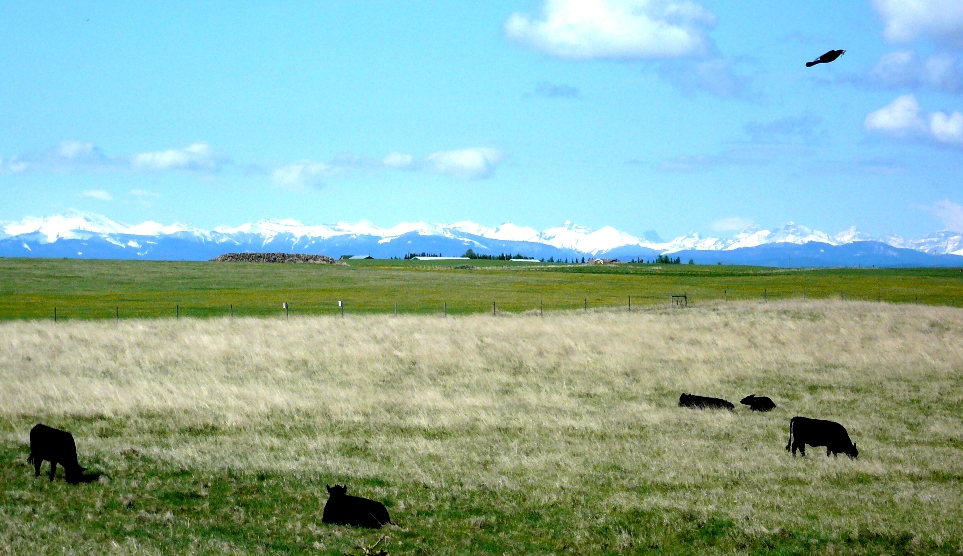
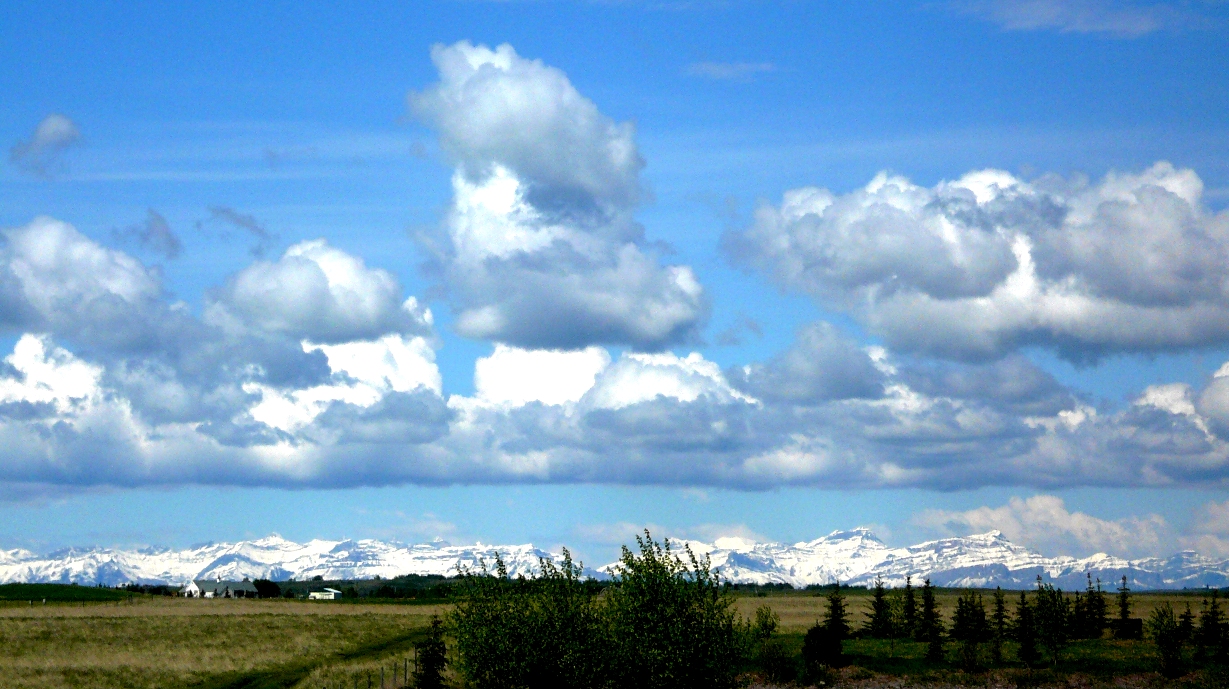
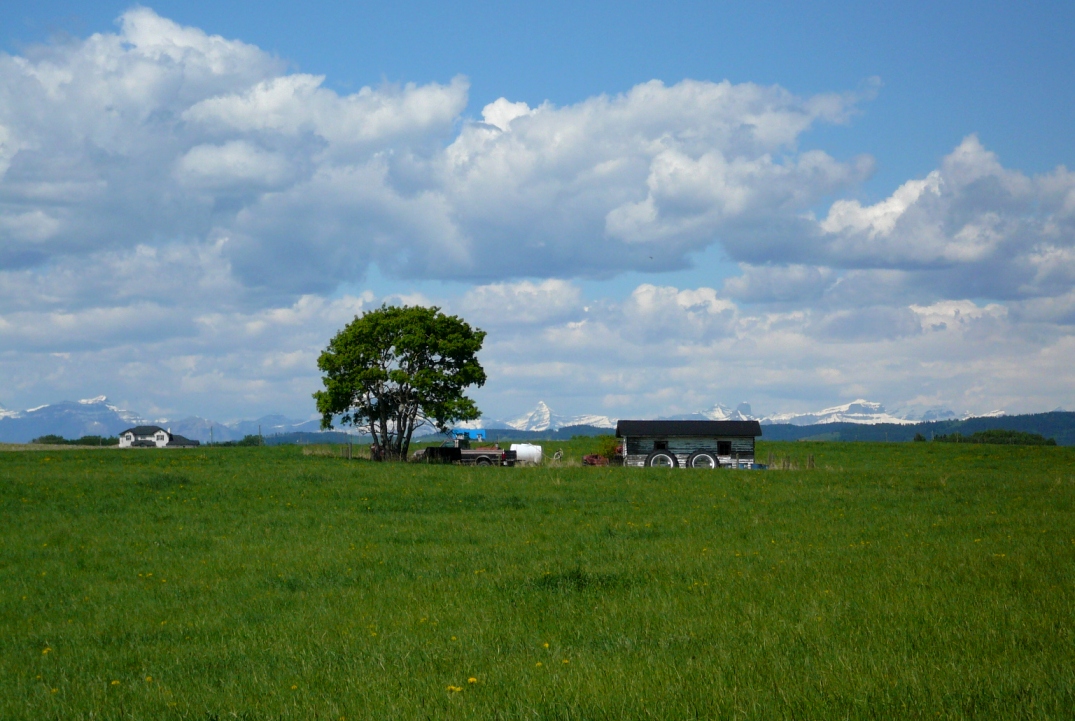
No, this is not a movie. It’s real life. I’ve to move to make way for some major renovations in our house. For a month or so, Arti the urbanite is living in the country. My summer abode is a log home amidst acres of farmland, at the foot of the Rockie Mountains in Alberta, Canada.  I have fresh air, big blue sky, quiet neighbors, and magnificent views. The following are some pictures of my summer indulgence.

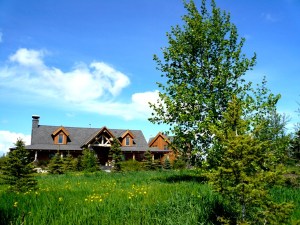
The little big house on the Prairie:

Little big house on the Prairie


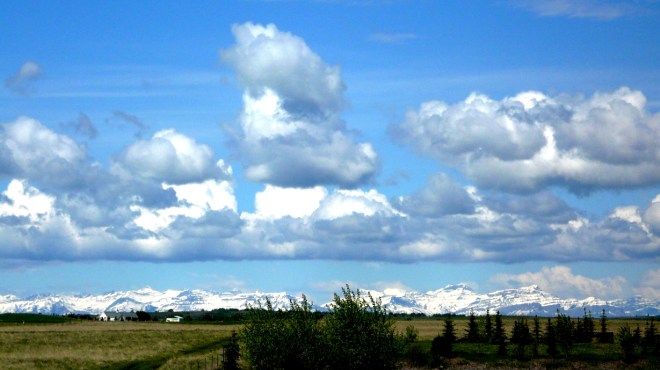
My view:


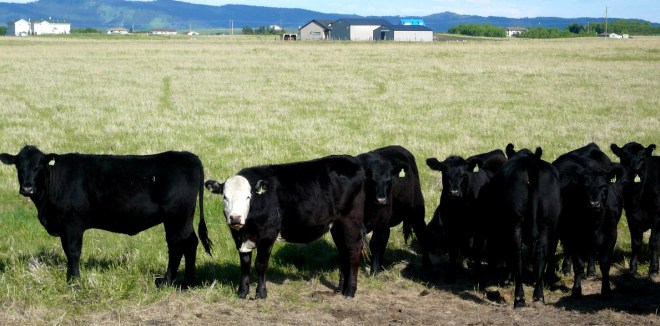
My quiet neighbors:


My other quiet neighbor:


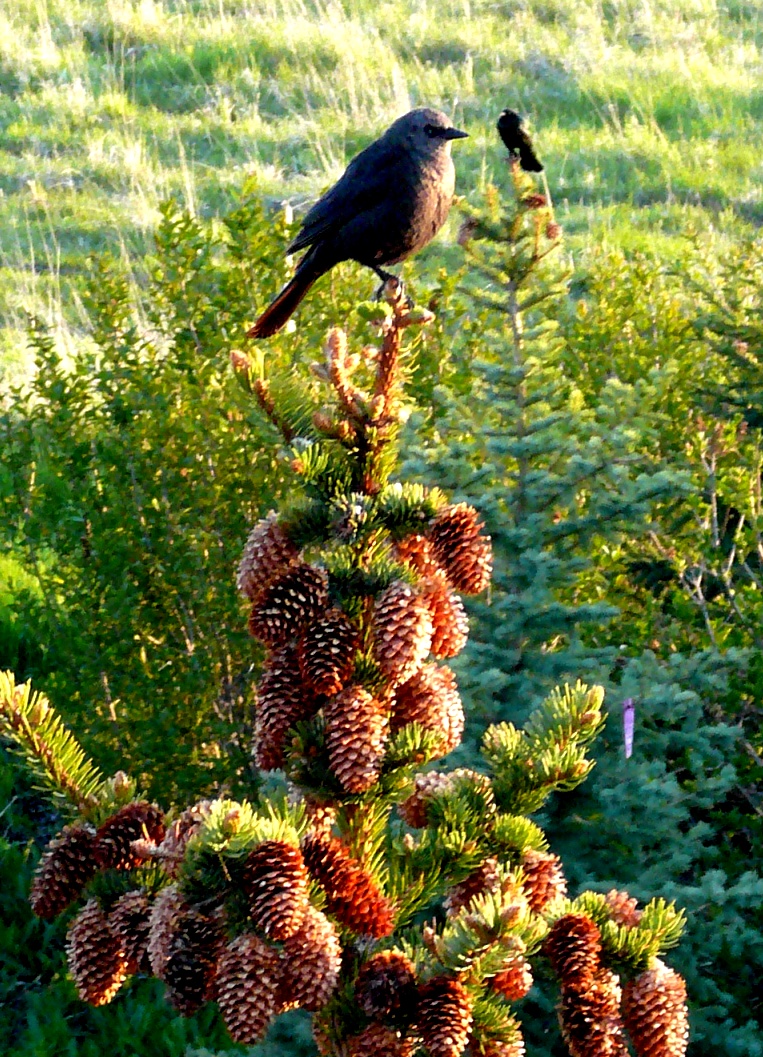
My visitors:


There’s no water for me to make ripples.  I’ll have to create sketches in the wind.  I’m gratified by the views and the solitude I’m granted here in the open country.  But there are costs:  no TV, no Internet, the commuting to the City (about an hour’s drive), unwanted house guests: mice and other rodents.  As much as I yearn to embrace nature, I confess I’m no Thoreau or Dillard…I just can’t live without modern conveniences, nor can I survive without the Internet.  How can I be a recluse and stay away from the blogging community for a whole month!?

So here’s my list of survival gears:

Electronic gadgets:  A 7″ portable DVD player, a couple of cameras, my laptop, and of course, my BlackBerry.  I’ll have to drive to the nearest town to find Internet access.

DVD’s I brought with me:  Sketches of Frank Gehry, Paris, Je T’Aime, Life As A House, Fargo, The Hours, Wordplay, The Namesake…plus some titles I need to preview for a Film Festival.

Books:  My current reading list includes The Glass Castle by Jeannette Walls, Persuasion by Jane Austen, and two books by Robert K. Johnston, Reframing Theology and Film, and Reel Spirituality: theology and film in dialogue.

Also, I intend to visit the nearest town and explore some arts and crafts stores and yes, they have a public library there…I won’t feel so alienated after all. 


                                                                  ******