Spring Sightings

First time is always the most exciting. These past weeks, I came across three sightings of something I’d never seen before. They may be common for other birders or nature watchers, but what’s important for me is, those were my first time.

From afar, I knew that wasn’t a Chickadee or a Nuthatch, albeit about the same size but plumper. I took the picture and later looked it up. It was a Dark-eyed Junco. Sure I’ve heard of the junco before, but have never come face to face with one. I further found out that it was one of the most common birds in Canada. Oh really? This was the first time I saw it, and that made it special for me. Love that tiny pink beak.

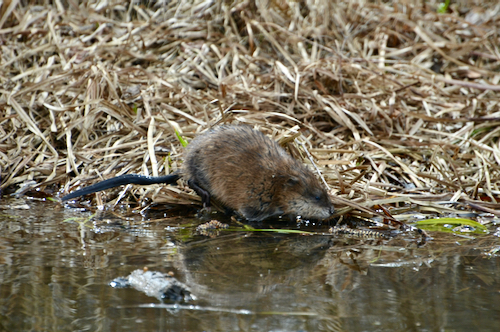
Another first-time is this photo here. Someone’s having a hearty meal, its delicate hands holding up a green shoot and chomping away. Can you guess what it is? Not a mouse:

Here, its tail gives it away… a baby muskrat. I’ve seen the adult ones but sighting a pint-size muskrat was my first time. At first I thought it was a baby beaver, but the narrow, long tail distinguishes it from the beaver, which has a flattened, paddle-like tail. Here’s a helpful page.

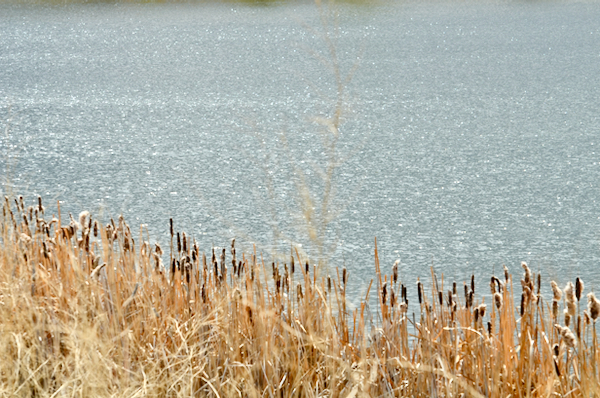
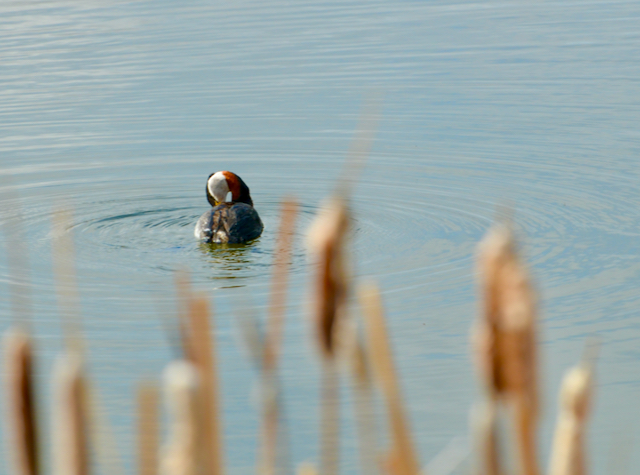
But the following is the most exciting find for me. In a shimmering pond lined with cattails…

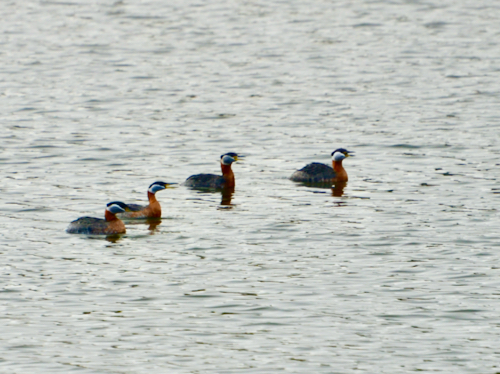
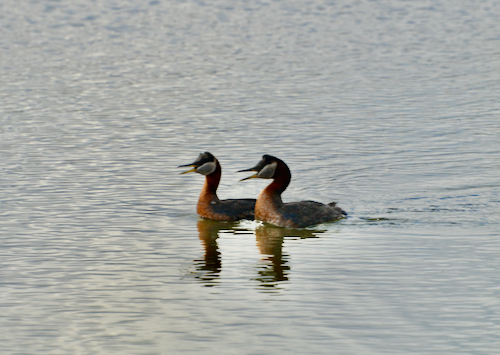
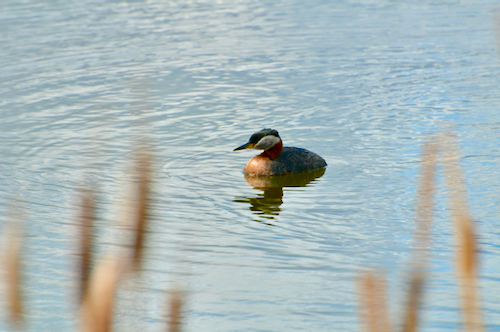
I found a water bird I’d never seen before. It had a greyish white patch on its cheek:

I learned later that it was a Red-necked Grebe, breeding mainly in Canada (distribution map here). A grebe is not a duck; it doesn’t have webbed feet. I went back several times and found there were two pairs of them. I look forward to seeing their babies on their back in the coming days or weeks. I’ll be visiting them often.

Their colour features are fine and distinct, rusty red long neck and breast, with a yellow strip along their beak. Loud and distinct calls. Male and female have similar appearance.

I can’t explain it… I’m mesmerized by their serene movement, and yes, crazy calls. I’ve gone back a few times already, at different times of the day and in different weather. Nature’s calming sessions.

***

Asian Heritage Month Movie List

May is Asian American and Pacific Islander Heritage Month. In Canada, it’s Asian Heritage Month. Asia is the largest continent in the world, encompassing countries from the Middle East to the Pacific Islands. As this event is celebrated in North America, the term refers to North Americans born or naturalized and living in the US and Canada with ancestral heritage from these countries. Interestingly, I find this Good Housekeeping site highly informative regarding the AAPI references.

There are many movies made by filmmakers of this demographics in North America. The following are some worthy titles, each has its unique way of leaving a mark. Links are to my reviews on Asian American Press or Ripple Effects.

I’m presenting my list in chronological order to highlight the historical development.

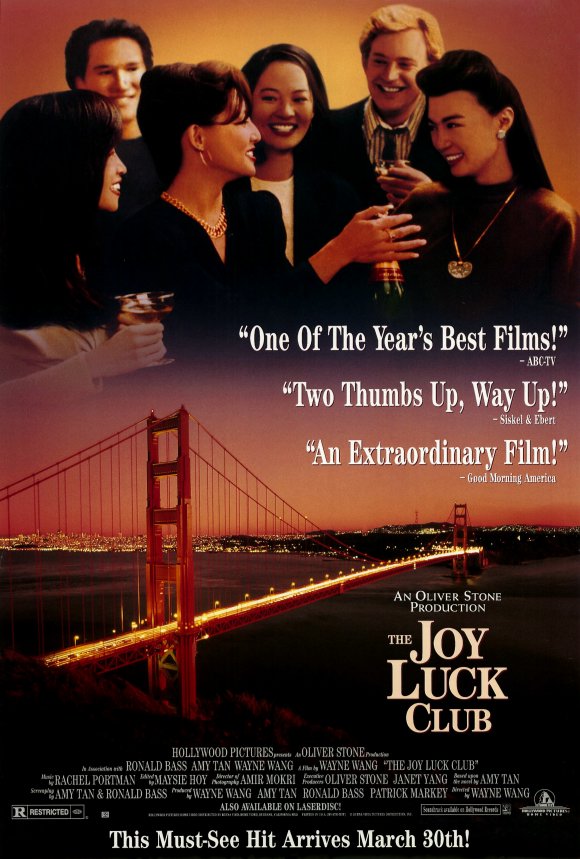
The Joy Luck Club (1993)

Movie poster from 1993

The first studio film with a mostly Asian American cast flying into the ‘mainstream’ radar. Adapted from Amy Tan’s debut novel, it tells the stories of multigenerational Chinese immigrant families in America. The breakout film of director Wayne Wang, who at that time had been making movies for over 10 years. Unfortunately, it would take twenty-five more years for another feature of the kind to come out.

Water (2005)

India born Canadian director Deepa Mehta’s final work in the Elements Trilogy, Water was an Oscar nominee for Best Foreign Language Film representing Canada in 2007. The heart-wrenching plight of a little Indian girl is told with beautiful cinematography. A ‘Foreign Language Film’ from Canada? Yes, just shows the multiplicity of our identity and the blurring definition of the word ‘foreign.’ This Oscar category was renamed Best International Feature Film in 2020.

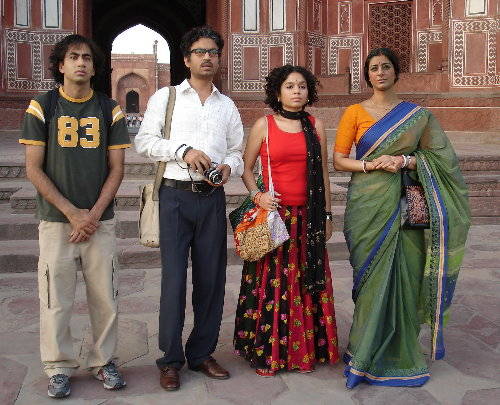
The Namesake (2006)

Here’s a prime example of the multiplicity of identity. A film adaptation by the acclaimed Indian-American director Mira Nair. The Namesake (2003) is the first novel by Jhumpa Lahiri, the London born American Pulitzer winning writer of Indian descent, who now resides in Italy and writing in her adopted language, Italian. The story depicts a colourful and conflicting journey of the America born second generation visiting their parents’ homeland.

Life of Pi (2012)

This adaptation of Yann Martel’s Booker Prize winning novel was the winner of Oscar Best Picture in 2013 and with it, Taiwanese American Ang Lee won his second Oscar for directing. Stunning CGI visuals transfer Martel’s magical realism onto the big screen to tell the story of a 16 year-old youth adrift in the Pacific Ocean with a Bengal tiger. Opportune time and place to explore existential issues. Both book and film are worthy of the accolades they had garnered.

The Big Sick (2017)

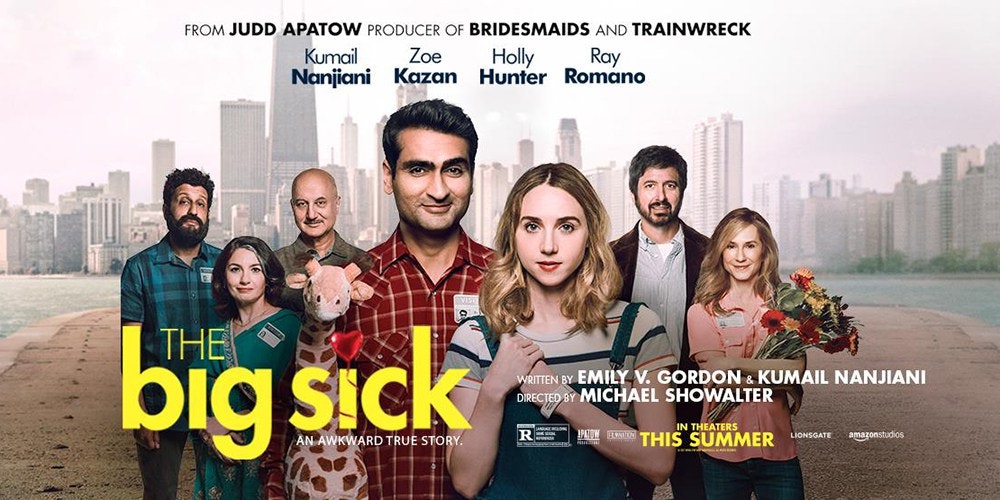
The real-life, mixed-race marriage of actor/comedian Kumail Nanjiani and his therapist wife Emily V. Gordon co-wrote this screenplay about a mixed-race courtship between a Pakistani American comedian and his love interest, a white young woman played by Zoe Kazan, with Holly Hunter and Ray Romano as her parents. An entertaining depiction of cultural clash and final resolution.

Columbus (2017)

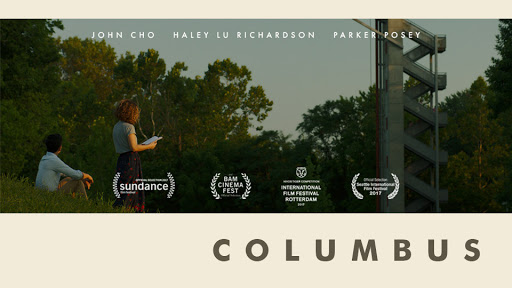
A quiet, visual depiction of the interplay between modern architecture, human relationships, and the existential search for meaning and connection. A most unusual subject matter aesthetically handled by Korean American director Kogonada. John Cho breaks away from the type cast as Sulu in Star Trek to prove himself worthy as a character actor of quality.

Crazy Rich Asians (2018)

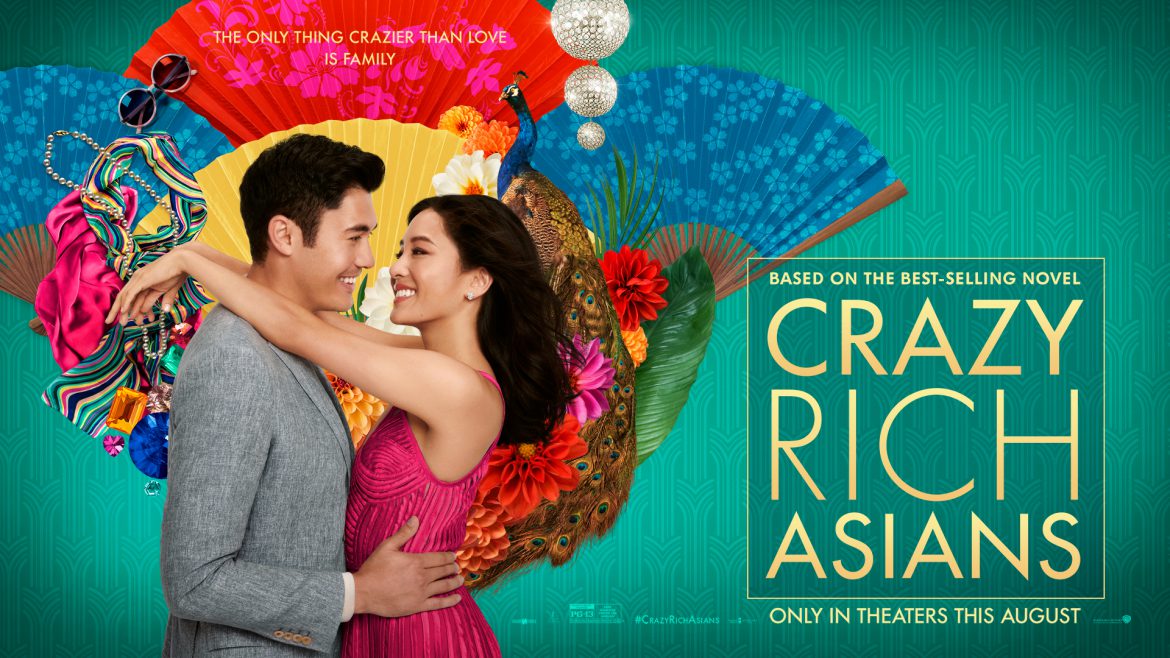
The new trend Asian American filmmakers and talents hope to see, twenty-five years after The Joy Luck Club. Director Jon M. Chu turns Kevin Kwan’s breakout novel into a blockbuster hit, catapulting Asian American talents to mainstream fame: Constance Wu, Awkwafina, Henry Golding (ok, so he’s a British Chinese), Gemma Chan (she too), with the full support of international star Michelle Yeoh (the first Asian Bond Girl in Tomorrow Never Dies.)

Free Solo (2018)

Husband-and-wife directors Jimmy Chin and Elizabeth Chai Vasarhelyi captured the stunning climb made by Alex Honnold up the 3,000 feet vertical wall of El Capitan in Yosemite National Park with only his bare hands and feet, solo and free from ropes and safety gears. Chin is himself a renown mountain climbing legend and photographer, having mounted Meru Peak in the Himalayas, as well as Everest several times. Oscar winner of Best Documentary Feature in 2019.

Driveways (2019)

Korean American director Andrew Ahn tells the story of an ageing Korean war veteran’s friendship with a shy 8-year-old boy (Lucas Jaye) who shows up with his single mom (Hong Chau) next door. A quiet and poignant portrayal of friendship that crosses the borders of age and race. One of Brian Dennehy’s last films before his death in 2020 at age 81. A nominee for Best Feature Film at the Berlin International Film Festival in 2019.

Late Night (2019)

Daughter of Indian immigrants, Mindy Kaling has made a name for herself with her versatility as a comedian, actor, writer, producer, and director. Late Night is her own story, parallel with her career starting out in The Office as a writer and actor. Here, a girl of Indian ethnicity enters into a late night TV show as a writer, serving the very demanding host Katherine Newbury, played by Emma Thompson. Directed by Nisha Ganatra, a Canadian American of Indian descent. A delightful film.

The Farewell (2019)

Chinese American director Lulu Wang shares her own family experience boldly in this semi-autobiographical film. The cultural perspectives of how to deal with a family member with terminal illness could be totally opposite. Instead of a judgemental tone, the film uses an artistic styling and humour to tell a very personal story. Awkwafina became the first Asian American to win a Golden Globe Best Actress in a Motion Picture for her fine performance.

Minari (2020)

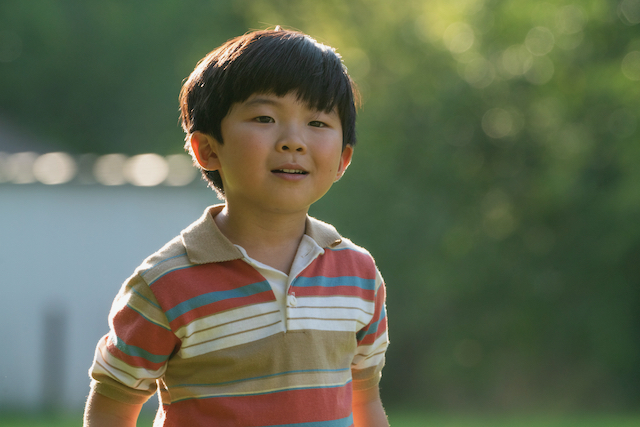
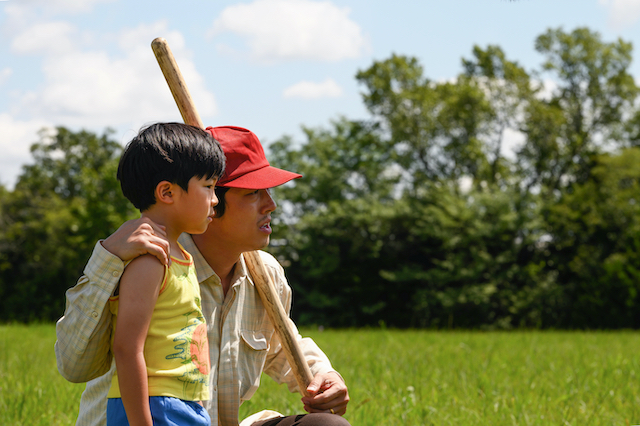
MINARI_02405_R Alan S. Kim Director Lee Isaac Chung Credit: Josh Ethan Johnson

The trend continues. With six Oscar nominations this year and one win by South Korean veteran actress Youn Yuh-jung who plays the eccentric grandma of the family. Directed by Lee Isaac Chung, Minari is an autobiographical drama of Chung’s childhood growing up in an Arkansas farm operated by his immigrant father from South Korea. Gentle and slow-paced storytelling with a powerful punch.

***

O Brother (cheerily), First of May

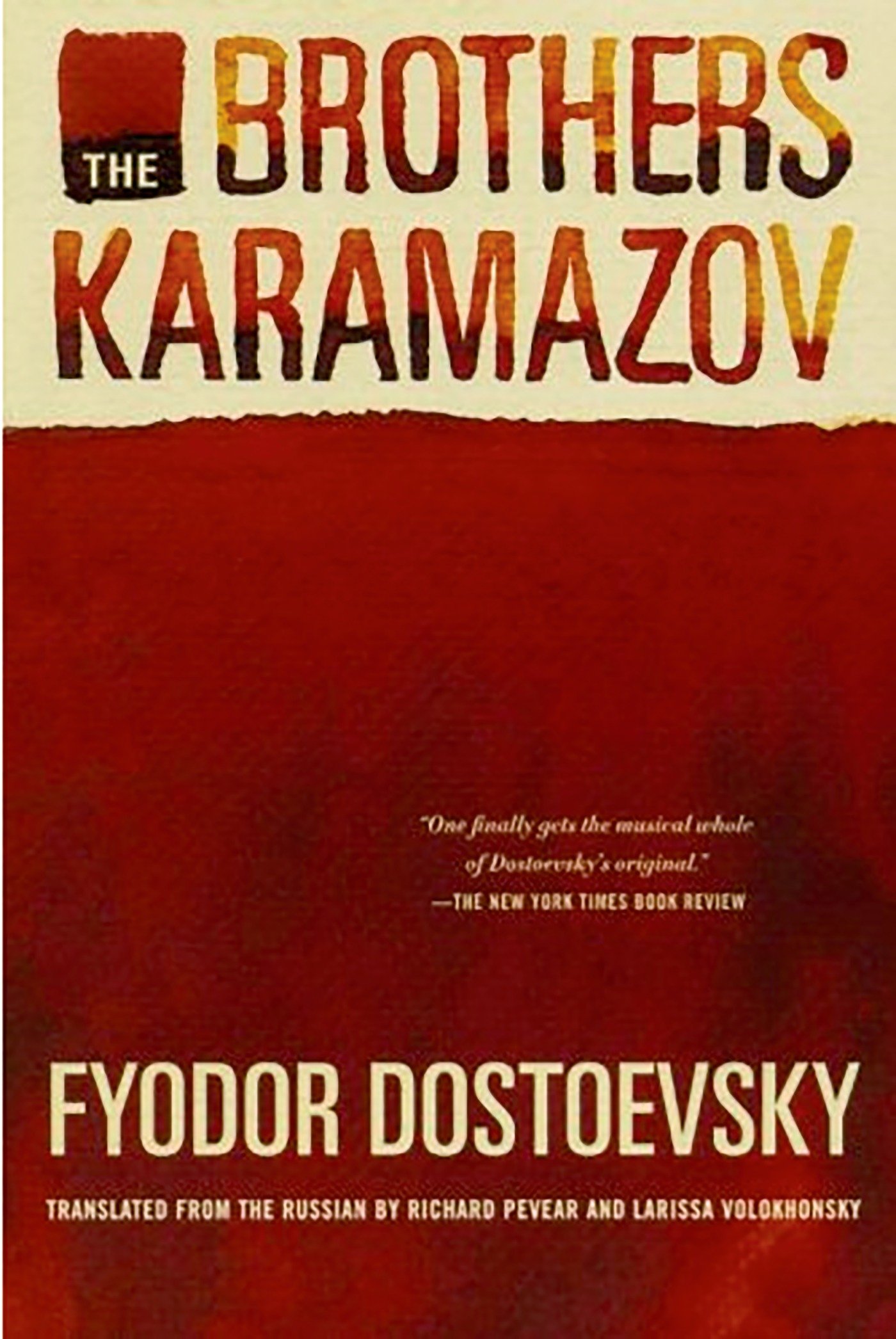
May has arrived! The Brothers Karamazov Read Along thus begins.

Your part of the world might be all green and colourful, more conducive to outings and nature wandering than reading. But then again, you can read outdoor too. Just bring the book along and sit under a tree … in a lawn chair, and enjoy the warm breeze.

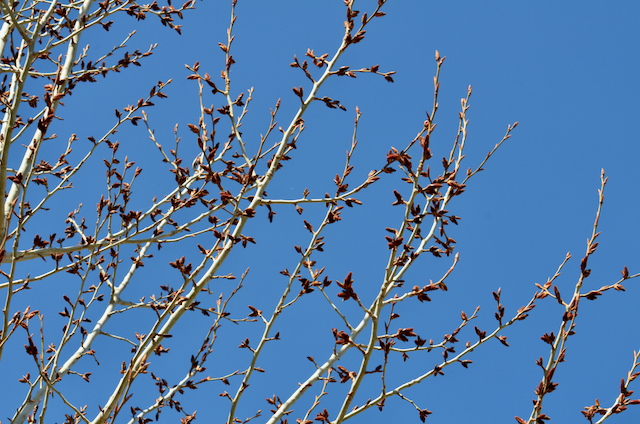
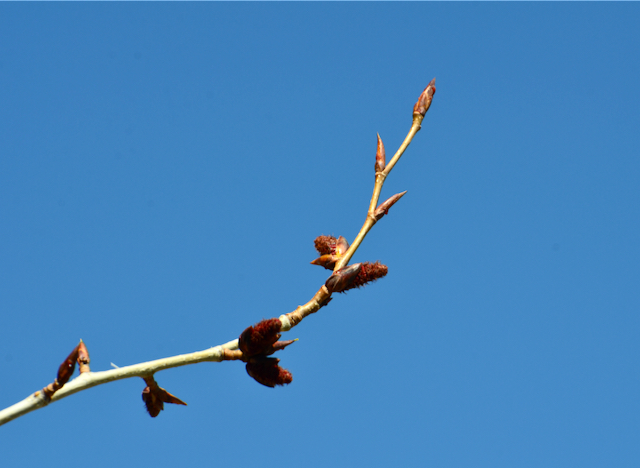
As for me at the Pond, things aren’t that rosy yet. But I have blue sky, white clouds, and buds bursting out on trees.

All are welcome as we start our slow and leisurely reading of the classic which critics hail as Dostoevsky’s culminating, greatest work (pub. 1880, his last novel). Here’s a schedule of our posting dates, according to the four sections of the book:

PART I – May 22

PART II – June 12

PART III – July 3

PART IV & Epilogue – July 24

If you’re not a blogger, you can still read together with us. On the posting date, stop by and leave your thoughts as a comment. Or, you might have read it before, several times, I welcome your insights!

Happy May! Happy Reading!

________

For more details:

The Brothers Karamazov Read Along Invite Post

The Brothers Karamazov Read Along, May – July, 2021

Here we go again. Every few years on Ripple, I’d entertain an urge to have people gather at the Pond to read a book together, virtually of course. As we’re (here above the 49th) riding through a third wave of COVID right now with stay-home measures for many, how we need that camaraderie even more.

And why The Brothers Karamazov by Fyodor Dostoevsky? Just because I’ve always wanted to read it but haven’t. I know some of you may have read this literary classic already. Maybe now’s a good time to re-read?

I recently bought a Farrar, Straus and Giroux (NY, 1990) edition pictured above, translated by Richard Pevear and Larissa Volokhonsky. Opening it, the first line in the Introduction surprises me. But as I read on, the whole paragraph is motivation itself:

The Brother Karamazov is a joyful book. Readers who know what it is “about” may find this an intolerably whimsical statement. It does have moments of joy, but they are only moments; the rest is greed, lust, squalor, unredeemed suffering, and a sometimes terrifying darkness. But the book is joyful in another sense: in its energy and curiousity, in its formal inventiveness, in the mastery of its writing. And therefore, finally, in its vision.

And thanks to Bellezza, I checked on Goodreads and found this quote by Madeleine L’Engle:

“The truly great books are flawed: The Brothers Karamazov is unwieldy in structure; a present-day editor would probably want to cut the Grand Inquisitor scene because it isn’t necessary to the plot. For me The Brothers Karamazov is one of the greatest novels ever written, and this is perhaps because of, rather than in spite of, its human faults.”

–– Madeleine L’Engle, A Circle of Quiet

Those familiar with my previous Read Alongs know I’m all for slow reading. I allow ample time to finish a book, mind you, these are usually longer titles. Read Along at the Pond is a leisurely enjoyment. Here are some previous titles:

Middlemarch by George Eliot

Swann’s Way by Marcel Proust

Anna Karenina by Leo Tolstoy

Bonhoeffer by Eric Metaxas

Midnight’s Children by Salman Rushdie

Here’s a tentative schedule for The Brothers Karamazov Read Along. Read within the three-week time frame for each of the four Parts, then post your thoughts at the end of each. Non-bloggers are welcome to join as well. Instead of posting, just go to any participant and leave your thoughts as a comment in their post.

The Brothers Karamazov Read Along Posting Dates:

PART I – May 22

PART II – June 12

PART III – July 3

PART IV & Epilogue – July 24

Hope you’d join in the fun! Let me know in the comment.

***

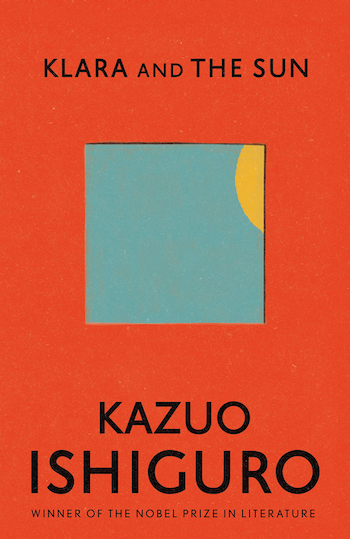
Klara and The Sun by Kazuo Ishiguro: A Book Review

Klara and The Sun is Kazuo Ishiguro’s eighth novel and the first after his Nobel Prize in 2017. This latest title is very different from his previous works. Here is a futuristic story in the style of a children’s fable. The language used is simple and descriptions explicit, written from the point of view of Klara, a humanoid robot. Ishiguro has dealt with sci-fi matter before in Never Let Me Go (2005) relating to human cloning, exploring the complexity of love and jealousy. Compared to Never Let Me Go, Klara and The Sun is a much lighter read.

Klara is an AF, Artificial Friend, to fourteen-year-old Josie. They meet in a store where AF’s are sold. Klara is displayed at the storefront when Josie comes in; their fondness of each other sparks off at first sight. Every AF is uniquely created, and here’s Klara’s selling points as Manager explains to Josie’s Mother:

‘Klara has so many unique qualities, we could be here all morning. But if I had to emphasize just one, well, it would have to be her appetite for observing and learning. Her ability to absorb and blend everything she sees around her is quite amazing. As a result, she now has the most sophisticated understanding of any AF in this store, B3s not excepted.’ (P. 43)

B3s are the newest and most advanced model of AF, but Josie insisted on having Klara. Mother gives in to her urging and Klara follows them home. Home is in a remote, rural area. The residence is big and offers views into a vast natural area. In this house the story of Klara and Josie begins.

Josie is a sickly teenager, walks with a limp and often bedridden. Klara is a faithful companion to her, follows her biddings to the dot. There are only two other characters in the house, Josie’s Mother and Melania Housekeeper, both are highly protective of Josie. Josie has a childhood friend, Rick, who lives nearby. Father resides in the city, the details are vague in terms of the reasons of the separation, but we know he cares for Josie very much but holds a different view from Josie’s Mother regarding how they should deal with Josie’s worsening health.

And then there’s Klara’s view of what she sees as a solution to Josie’s illness. Klara runs on energy from The Sun, a benevolent being watching over all. She will appeal to her source of life. As the story develops, we see how Klara’s empathy and love for Josie would put humans to shame. Ishiguro paints another picture of the artificial intelligence (AI) alarm which Sherry Turkle has set off when she writes about technology replacing human in Alone Together, or in the film Ex Machina where a humanoid robot eerily eliminating her creator. Ishiguro lets Klara’s story present the scenario where AI would surpass human in heart, thus implicitly posing the question: “What makes humans human after all?”

However, as the writing follows a straight forward, fable-like style of storytelling, questions such as this are not dealt with in any depth, albeit I feel they could have been explored further. For this reason, unlike Never Let Me Go, I find it hard to engage emotionally with the characters. As the story goes, I keep expecting that there would be some twists and turns in the plot or more complex handling of the thematic matter but which never come.

In a recent online conversation with Toronto International Film Festival’s Artistic Director Cameron Bailey, Ishiguro says he does not go into details about the science and technology mentioned in the book, all for the purpose of allowing readers’ imagination to fill in the blanks. Technical details are prone to be outdated easily. He prefers readers to involve in the world building of the story rather than being passive recipients. My response to this point is that, not just with the technical details, he has left the novel quite open for readers to exercise their imagination.

A movie adaptation is already in development. Again, adhering to his personal rule, Ishiguro will not be writing the screenplay and he will give ample freedom to the filmmaker to create their own movie with the name Klara and The Sun, as long as they take passionate ownership of their story.

~ ~ ~ Ripples

***

Related Posts:

Never Let Me Go: From Book to Film

Ex Machina Movie Review

Alone Together by Sherry Turkle

Heralds of Spring

April is unpredictable. One day we have warm, sunny weather, the next there would be flurries. But the creek and pond have mostly melted. A new sound I heard a few weeks ago when I was walking by a stream, something I had never encountered before. The sound of melting: the cracking of ice, like a small firecracker had gone off.

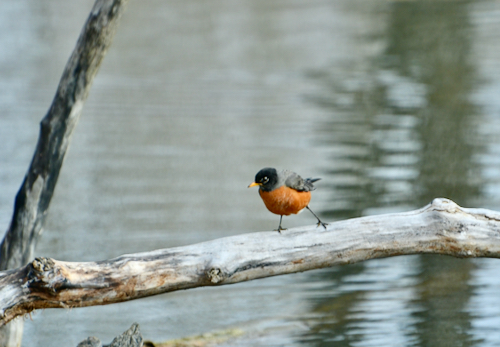
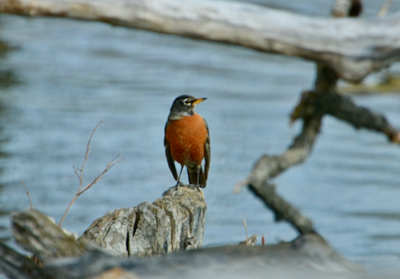
But this is the true herald. When I saw the first robin, I knew Spring had arrived. There were many of them during my walk last week, turning the woods into a convivial nesting playground.

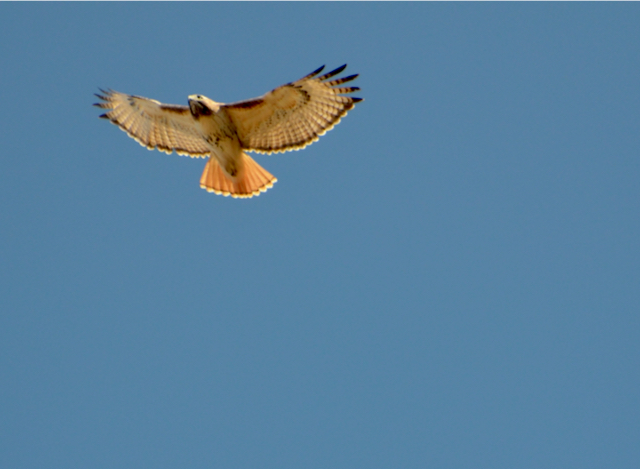
And up in the sky, a red-tailed hawk flew by. Sunlight seeping through its feathers:

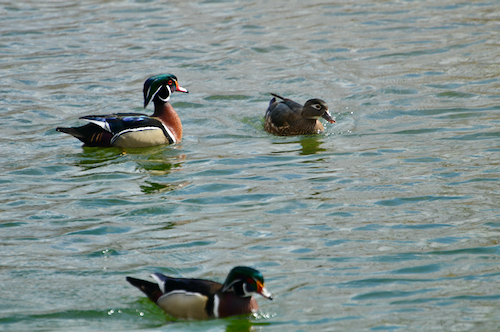
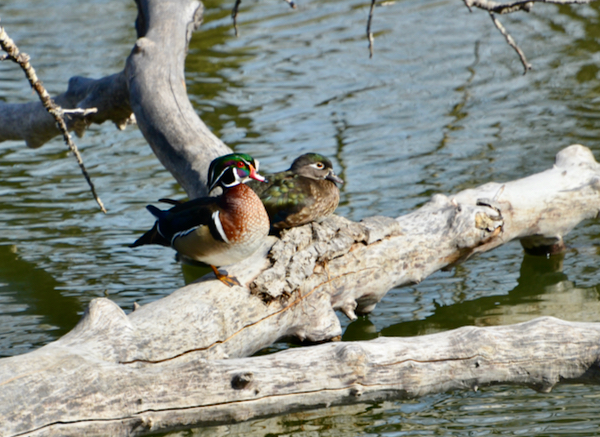
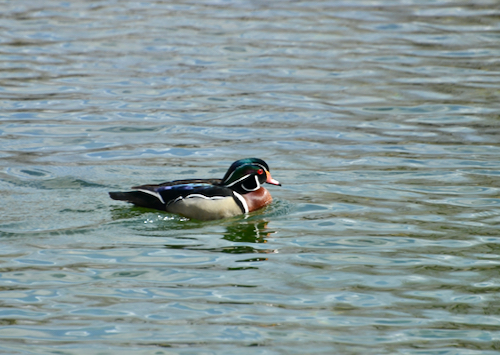
At the bird sanctuary, the wood ducks are back, brightening up a cold morning:

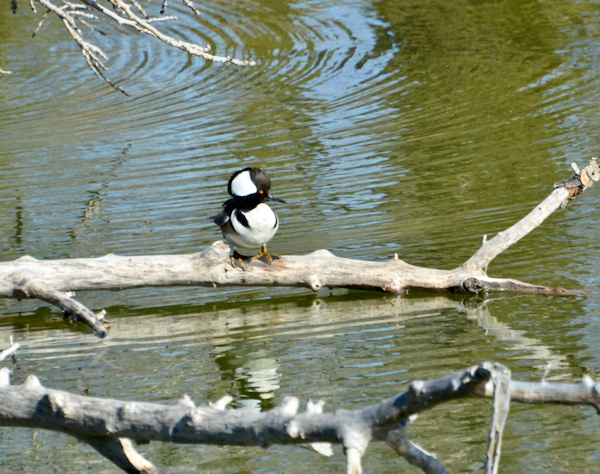
But here’s what made my day: my first time sighting a Hooded Merganser. This is rare in our locale. From their range map, they’re only passing through during migration.

I often think of the female Common Merganser as having hair like Lucille Ball’s. I’ve found another celeb look-alike… the male Hooded Merganser’s hair sure has an Elvis look:

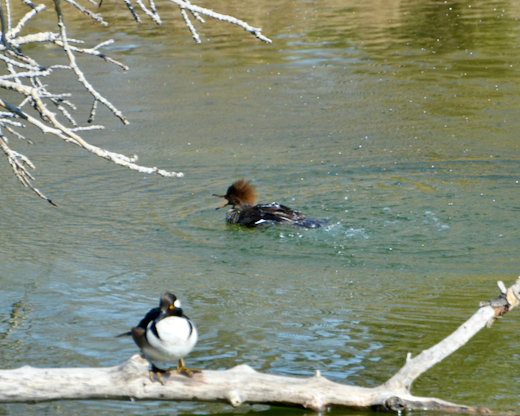
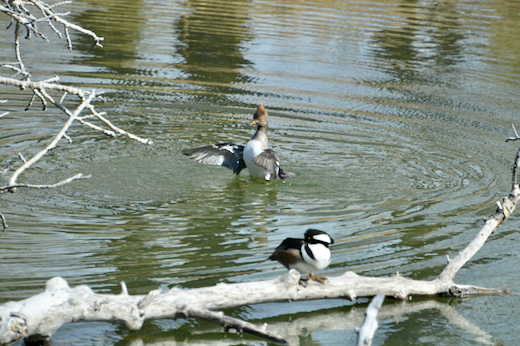
As for the female, I always find them to be more playful than the male, both the Common and now as I observed the Hooded one. Wish I’d taken a video to share. She was splashing and calling out in exuberance, while Elvis glanced back in nonchalant coolness:

Sure, shake your sillies out… Spring has sprung!

***

Easter 2021

“April is the cruellest month…” says T. S. Elliot in The Waste Land. He has his reasons. For me, April teases us with uncertainties, so in that sense, it’s a bit cruel. Just when you think it’s spring, a snow storm cometh. And just as that snow has melted and the temperature goes way above freezing and you step out to that bright sunshine, the brutal wind blows your optimism away and drops you back to sub-zero chill.

Just like this frequent visitor to my backyard. Crept underneath the fence to hide in her favourite spot under the spruce tree, uncertain which coat to wear, winter or spring, white or brown:


Just as our world has lived through a pandemic year, now with vaccines in hand, here come the new waves of variant outbreaks, bringing more uncertainties.

I wrote this poem at Easter exactly ten years ago. At that time I was dealing with a bit of a writer’s block, some kind of brain freeze while facing the real freeze outside. The next time I re-posted the poem a few years later in 2016, I was stressed out dealing with the post-surgery care of a family member. Thanks to all who had commented then, we got out of it slowly and experienced the grace of healing.

Easter 2021 is none like others. Distressful situations have multiplied, their magnitude in epic scale. As with everyone else in this world, I’ve lived through a pandemic year, which alas, still has no end in sight with the outbreaks of variants. And personally, I’m wary even just walking in public, not only for Covid risk, but having to look out to avoid being spat at or punched in the face due to all the unprovoked violence against Asians, or women, or both. Face masks may help protect us from a physical virus, but not that stemming from the human heart. Looking out to the world political stage, looming conflicts breed like a plague.

That first Easter wasn’t a celebration but an execution. A dark day, a torturous public punishment, Crucifixion. It was there in the middle of the world––signifying the centre and reaching to all––one sacrificial death unleashed the power of divine love to save us from ourselves, a concept I’m beginning to grasp as more and more urgent and relevant now. After death came the ultimate miracle, resurrection. That same resurrecting power today can raise the deadest of soul to a brand new life.

_______

An Easter Poem

April is the month of empty dreams
Half the days gone
waiting for words and spring
still frozen ground
and on the screen
a frigid page as white as snow.

Brown could be the color of hope
After the white
for all I know
green is too much to wish for
I’m contented to see a patch
of dry and withered brown.

The sun is a perpetual sign
that there’s still hope
But it’s no herald of the seasons
for its presence comforts all year long
warming my blank and barren state
as I await for words and spring.

But Easter is an apt reminder
that The Word had come
spoken clear to half-frozen ears
His body hung on a lifeless tree
Blood and water flowed
onto parched and dusty earth

So what if no words come to me
That dreaded writer’s block
reigning the winter of sterility
numbing senses,
snatching thoughts,
seizing any sign of spring.

It’s not about a post or a blog,
Or even buds and melting snow.
The Word had come
lived and loved among us,
broken, bled, died and rose,
melting frozen hearts to greet
a new dawn and eternal Spring.

–– Arti (April, 2011)

________

That historic Event in the past overrides all uncertainties in the future. He is risen!

HAPPY EASTER!

‘Minari’: The Little Seed that Could

Minari is a semi-autobiographical narrative based on director Lee Isaac Chung’s childhood experience. It tells the story of a Korean immigrant father striving to succeed in America while his wife strains to keep their family together. In the midst of the struggle for a better life, two children watch and learn and grow. 

Chung’s counterpart in the movie, seven-year-old David (Alan Kim), follows his parents Jacob Yi (Steven Yeun) and Monica (Yeri Han), together with his older sister Anne (Noel Kate Cho), to relocate from California to rural Arkansas in the 1980’s. Driven by the ambition to be successful, especially in the eyes of his children, Jacob has purchased 50 acres of land to start a farm growing Korean produce. With the influx of Korean immigrants coming into the country during that time, Jacob sees a wealth of opportunity.

MINARI_00195_R Alan S. Kim, Steven Yeun Director Lee Isaac Chung Credit: Melissa Lukenbaugh/A24

Jacob and Monica still hold a day job at a hatchery doing chicken sexing, separating the male chicks from the female, but Jacob sees no future in the routine work. The farm is his dream. In the sexing process, the male chicks are discarded, for they don’t taste as good and can’t lay eggs. A ready object lesson for him to teach his young son: be useful. And when he digs a well, he dismisses the dowsing method offered to him. “Koreans use their heads,” he tells David.

Monica, however, sees a very different picture. The dream home in the country for Jacob is for her, realistically, a trailer on wheels held up by cinder blocks. Water is from a well which later is drained dry to the crops. There’s no community nearby. Her main concern is living far from a hospital as David has a life-threatening heart murmur. “Don’t forget to keep praying,” she tells David. The couple’s opposing views lead to frequent conflicts in front of the children.

The tipping point comes when Monica’s mother is recruited to help with the kids. Arriving from Korea, Grandma Soonja (Youn Yuh-jung) brings with her Korean spices and rarity not found in America, as well as Korean songs, memory of courtship that has long been buried by her daughter and son-in-law.

For David, Grandma is far from what he has expected. She is a raucous card player, swears, doesn’t cook or bake, uses half his room and, aggravating his annoyance, snores. The interplay between grandma and grandson make up some light-hearted scenes which elicit from Kim performance in his natural poise alongside the veteran, seasoned Youn. The key element in their eventual bonding is love. Kudos to Chung for his screenplay and directing.

MINARI_02405_R Alan S. Kim Director Lee Isaac Chung Credit: Josh Ethan Johnson

Another supporting role that has added spice to the film is Paul (Will Patton), a practical farm help to Jacob. A devout Pentecostal, Paul’s eccentricity is a laughing stock even with church kids. Jacob does not subscribe to his beliefs. Admirably, the two can still work in harmony.

Premiered at the 2020 Sundance Film Festival and winning both its Audience Award and the Grand Jury Prize, Minari has come a long way this past year garnering accolades. The film is now an Oscar nominee in six categories including Best Picture, Best Director and Original Screenplay for Chung. Yeun becomes the first actor of Asian descent to be nominated for Best Actor. Youn gets a nod for Best Supporting Actress and composer Emile Mosseri for Best Original Score.

Compared to his acclaimed debut feature Munyurangabo (2007), an arthouse, experimental film about two youths in post-genocide Rwanda, Minari is a conventional take on a personal, family story. The storytelling is linear and captured in realism, as we follow the Yi family’s first arrival to rural Arkansas and the daily struggles as an immigrant, farm family. The film’s subject matter and Chung’s handling is deceivingly simple.

Thanks to the eponymous vegetable, the minari, Lee transfers the specific to a wider scope in different layers. Minari is a Korean watercress that grows hardily in wet soil. Grandma has brought some minari seeds with her from Korea and sows them beside the creek near their home. As days go by, the plants thrive on their own, an apt metaphor for the resilience and adaptability of immigrants taking roots in a new soil. 

In contrast to a grim lesson of discarding the male chicks at the hatchery David learns from his father, the minari along the creek is a visual reminder of being alive and useful. Grandma sings its praises, for the versatile vegetable can be put in kimchi, stew, and soup, and used as medicine when sick. “Minari, Wonderful.” Grandma and David burst out in an impromptu song. A delightful scene is captured by the camera. As the wind blows, the plants bow as if acknowledging their praises. A moment of magical realism.

As time goes by, the minari plants thrive, and David’s heart condition has improved on its own such that surgery is no longer needed. In the climactic scene and its fallout, a contrast is particularly notable. Jacob sweats and labors on his crops which can be gone in an instant, but the minari grows naturally in the wild and David’s illness healed, pointing to a harvest of transcending grace that is beyond human efforts. The denouement is a gratifying close to a chapter of childhood memory.

~ ~ ~ 1/2 Ripples

***

I thank Asian American Press for allowing me to post my review here in full.

Women Direct Films

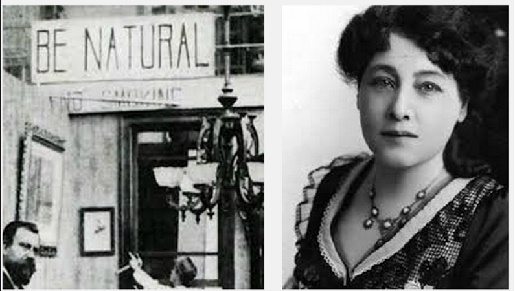
When did women first direct films? If you type these words in your search engine, you’ll see this year pop up: 1896 and the name Alice Guy-Blaché (1873-1968). In her filmmaking career that spanned over two decades, Alice Guy had written, directed, or produced more than a thousand films in France and later in America. She was a pioneer in fictional narratives, comedies, actions, travelogues, musicals (yes, films with sound), just to name a few categories of her cinematic works.

Be Natural: The Untold Story of Alice Guy-Blaché (2018), directed by Pamela Green and narrated by Jodie Foster is a fascinating documentary, a must-see, now streaming on the free platform Kanopy.com. “Be Natural” were signs Alice Guy put up in her studio for her actors as a reminder.

Cut to 2010. In the annual study The Celluloid Ceiling on women behind-the-scene employment in filmmaking, only 2% of the top 250 films made that year in the US were directed by women. In 2018, it was 4%. Then there was a big jump in 2019 to 12%. In 2020, due to the pandemic, the study included 100 top films instead of 250, the percentage of women directors increased to 16%.  

2019 appears to have marked a tipping point, hopefully a trend that stays, as more women are being recognized as ‘profitable’ in the filmmaking business. Further, people also found out women can direct various genres, including action and superheroes movies too. Just wonder what Alice Guy would had thought if she were around.

On this day, March 8, 2021, in honor of the many woman directors working, I’m posting a list with their names first then their works released for the year back to 2019. This is only a selection and mainly for films distributed in North America. You might recognize some names or titles of books. In alphabetical order:

2021

Ana Lily Amirpour – Mona Lisa and the Blood Moon

Clio Barnard – Ava & Ali

Camilla Belle – Phobias

Shari Springer Berman (co-director) – Things Heard and Seen

Halle Berry – Bruised

Kay Cannon – Cinderella

Jane Campion – The Power of the Dog 

Nia DaCosta – Candyman

Livia De Paolis – The Lost Girls

Julie Delpy – My Zoe

Claire Denis – Fire

Augustine Frizzell – The Last Letter from your Lover

Maggie Gyllenhaal – The Lost Daughter

Rebecca Hall – Passing

Sian Heder – CODA

Joanna Hogg – The Souvenir: Part II

Eva Husson – Mothering Sunday

Lisa Joy – Reminiscence

Dea Kulumbegashvili – Beginning

Mélanie Laurent – The Nightingale

Lena Khan – Flora & Ulysses

Castille Landon – Fear of Rain

Mia Hansen-Løve – Bergman Island

Lila Neugebauer – Red, White and Water

Megan Park – The Fallout

Amy Poehler – Moxie

Céline Sciamma – Petite Maman

Cate Shortland – Black Widow

Liesl Tommy – Respect

Kate Tsang – Marvelous and the Black Hole

Lana Wachowski – The Matrix 4

Olivia Wilde – Don’t Worry Darling

Robin Wright – Land

Robin Wright, Catherine Hardwicke – Together Now

Chloé Zhao – The Eternals

_______

2020

Niki Caro – Mulan

Sofia Coppola – On the Rocks

Autumn de Wilde – Emma

Josephine Decker – Shirley

Clea DuVall – Happiest Season

Mona Fastvold – The World to Come

Emerald Fennell – Promising Young Woman

Nisha Ganatra – The High Note

Liz Garbus – Lost Girls

Julia Hart – I’m Your Woman

Eliza Hittman – Never Rarely Sometimes Always

Patty Jenkins – Wonder Woman 1984

Natalie Erika James – Relic

Miranda July – Kajillionaire

Regina King – One Night in Miami

Roseanne Liang – Shadow in the Cloud

Phyllida Lloyd – Herself

April Mullen – Wander

Mira Nair – A Suitable Boy

Gina Prince-Bythewood – The Old Guard

Dee Rees – The Last Thing He Wanted

Adriana Trigiani – Then Came You

Cathy Yan – Birds of Prey

Jasmila Zbanic – Quo vadis, Aida?

Chloé Zhao – Nomadland

_______

2019:

Elizabeth Banks – Charlie’s Angels

Chinonye Chukwu – Clemency

Mati Diop – Atlantics

Lisa Barros D’Sa – Ordinary Love

Anna Boden (co-direct) – Captain Marvel

Gabriela Cowperthwaite – Our Friend

Nora Fingscheidt – System Crasher

Nisha Ganatra – Late Night

Sarah Gavron – Rocks

Greta Gerwig – Little Women

Rose Glass – Saint Maud

Kitty Green – The Assistant

Alma Har’el – Honey Boy

Marielle Heller – A Beautiful Day in the Neighborhood

Kathleen Hepburn, Elle-Máijá Tailfeathers – The Body Remembers when the World Broke Open

Nahnatchka Khan – Always Be My Maybe

Jennifer Lee (co-director) – Frozen II

Kasi Lemmons – Harriet

Melina Matsoukas – Queen and Slim

Shannon Murphy – Babyteeth

Lydia Dean Pilcher – A Call to Spy

Kelly Reichardt – First Cow

Lorene Scafaria – Hustlers

Angela Schanelac – I was at Home, But…

Céline Sciamma – Portrait of a Lady on Fire

Lulu Wang – The Farewell

Olivia Wilde – Booksmart

***

Related Ripple Reviews:

Nisha Ganatra’s Late Night

Greta Gerwig’s Little Women

Kelly Reichardt’s Certain Women

Lulu Wang’s The Farewell

Ripples from the history-making 78th Golden Globes

Last night I dreamt I was interviewing Chloé Zhao. Not just a sit-down interview, but I actually hung out with her as buddies. That was a dream, and that much is true.  

Before the dream, I was watching the 78th Golden Globes Awards show aired live last Sunday night. This year, it’s a much scaled down, stripped to the minimal, virtual event. The show must go on, as they say. So, we have Amy Poehler from the Beverly Hilton in Los Angeles and Tina Fey from the Rainbow Room in New York being pulled together on one screen as if they were standing side-by-side for the fourth time hosting. A technical marvel.

Nominees were at home or wherever they were at that moment, wearing whatever they felt like, watching and giving acceptance speech via their own small screen. A few of them were at the Beverley Hilton adorning glamorous, designer gowns, a reminder of previous Globe glitters and the red carpet.

Other than the unprecedented format, history was made last Sunday night.

Chloé Zhao became the second woman to win the Best Director Golden Globe award in the 78-year history of the Hollywood Foreign Press Association’s annual extravaganza. She is also the first Asian woman to do so. What more, her film Nomadland won the top prize, Best Motion Picture – Drama. As a co-producer, she became the first woman producer of Asian descent to receive that accolade.

For a historical reference, Barbra Streisand was the first female to win a Best Director Golden Globe with Yentl in 1984. Taiwanese-American Ang Lee claimed that honor twice with Crouching Tiger, Hidden Dragon in 2001 and Brokeback Mountain in 2006, the only other Asian American to take that award.  

If it’s not due to Covid 19, never could there be a Best Director and Best Motion Picture winner accept the Golden Globe dressed in an olive color t-shirt, hair in pigtails. She probably might not be at home, maybe at work on location. But still, I remember the Cannes controversy where female stars were frowned upon––no they didn’t outright say ban––for not wearing heels on the red carpet.

It’s in this unassuming manner that Chloé (I’m sure she wouldn’t mind me calling her by her first name) picked up her color-matching mug to toast everyone and gave her virtual acceptance speech. Quoting the ‘guru’ among the nomads, Bob Wells, she said:  

“Compassion is the breakdown of all the barriers between us. A heart-to-heart bonding. Your pain is my pain. It’s mingled and shared between us.” She then went on to say, “this is why I fell in love with making movies and telling stories cause it gives us the chance to laugh and cry with each other, to learn from each other, to have more compassion for each other.”
An iconoclast, no doubt. If not because of the pandemic, I can’t imagine a female Globe winner in a t-shirt and I assume, no make-up, and speaks from her heart, not to shun the glitter of the gold but just to be her normal self of a human being, most likely here too, as an identification with the nomads in her film.

Accepting the Best Motion Picture – Drama award, she said about Nomadland:

“At its core, for me, it’s a pilgrimage through grief and healing. So, for everyone who has gone through their difficult and beautiful journey at some point in their lives, this is for you. We don’t say goodbye, we say see you down the road.”

Maybe that image rippled in my mind as I went to sleep and conjured up that dream…

Well, see you down the road, Chloé. And hopefully then, not in a dream, but for real.

***

Related Ripple Posts:

Nomadland Book Review

The Rider is Poetry on Screen

Top Ripples 2020

Beauty in the Curves

Yesterday I went back to the place where just a few days ago I saw the Trumpeter Swans, and this time I found more. One adult and five juveniles were swimming leisurely in a peaceful surrounding. The scene was breathtaking.

This was the closest I’ve ever got near to a bird this big. They were swimming just a few feet from the snow-covered river bank where I was standing. This time, I could observe much clearer the beauty of their form… and discovered, of course, it’s in the curves!

Their naturally endowed, long neck is a posture of grace when held up straight, elegant and serene:

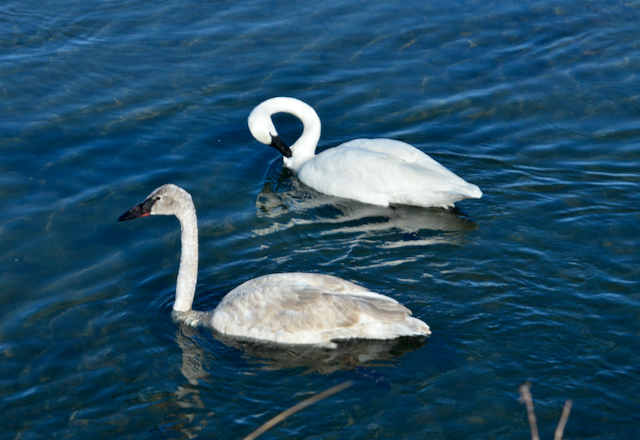
But when they bend down, the velvety, long neck creates curves that are sensually stirring:

When they fly, I could see the lofty curvature composed by their wings:

Beauty in its most natural and simplest form. Not flaunting, just being. Nothing they do to cultivate that, all endowed by their Maker, the creative Giver of life and grace.
________

The Swan

Did you too see it, drifting, all night, on the black river?
Did you see it in the morning, rising into the silvery air –
An armful of white blossoms,
A perfect commotion of silk and linen as it leaned
into the bondage of its wings; a snowbank, a bank of lilies,
Biting the air with its black beak?
Did you hear it, fluting and whistling
A shrill dark music – like the rain pelting the trees – like a waterfall
Knifing down the black ledges?
And did you see it, finally, just under the clouds –
A white cross Streaming across the sky, its feet
Like black leaves, its wings Like the stretching light of the river?
And did you feel it, in your heart, how it pertained to everything?
And have you too finally figured out what beauty is for?
And have you changed your life?

– Mary Oliver (italicized lines her own)

_________

“A white cross streaming across the sky”

Yes, I saw it… and felt it. Still rippling in my heart.

***

Swans in February

Previously on Ripple, I posted pictures of song birds that stay here in the winter. The House Finches surprised me, still chirping away in -24C (-10F) wintry air. But today, as I walk along the river, basking in the balmy weather (just at freezing point), I behold an even rarer sight. Trumpeter Swans!

Normally, they fly to the south and the Pacific Northwest beginning October, but ‘normal’ is no longer a term with relevance these days. Maybe the birds already knew that. With Texas bombarded with arctic storm and sub-zero F. temperatures this week, the Trumpeter Swans must have decided not to bother months before. Staying close by the river here above the 49th at least there’s food. And, as they say, if you don’t like the weather, just wait––normally five minutes––I’ll give it a few days.

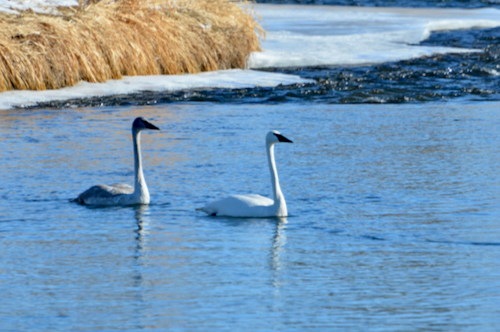
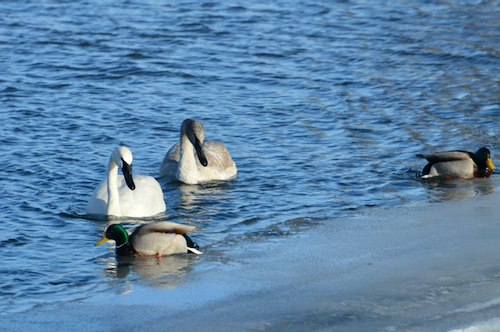
An adult Trumpeter Swan with two juveniles on the river close by the shore, unafraid of the few of us birding paparazzi shooting away.

Interestingly, two Mallards cling to the Swans closely, reminds me of the term ‘imprinting’. Parent Swan keeps an eye on them fondly. Neighbourhood watch.

Half a mile up the river, there’s another juvenile all on its own. I gather it must be a teenager, as the plumage is more white than grey as the younger ones, also for its personality. This one just wants some alone time, seeking independence. Note the black foot out:

A fruitful day of birding and workout chasing after swans.

***